Supplements
Reviewed by Dr. Nathan ColeUpdated March 2026UK market focus
Understanding Protein Powder: A Quick Whistle-Stop Tour
Before we get stuck into the reviews, let’s quickly demystify the different types of protein you'll encounter. Knowing this will help you pick the right one for your specific goals and dietary needs.
*
Whey Protein
This is by far the most popular kid on the block. Whey is a complete protein, meaning it contains all nine essential amino acids that your body can't produce itself. It's derived from milk during the cheese-making process and is renowned for its rapid digestion and absorption. This makes it ideal for post-workout recovery, as it quickly gets those amino acids to your muscles to kickstart repair and growth.
* **Whey Concentrate:** Typically 70-80% protein by weight, with slightly more carbs, fats, and lactose. It's generally more affordable and often tastes a bit creamier.
* **Whey Isolate:** Undergoes further processing to remove most of the fat and lactose, resulting in a higher protein percentage (usually 90%+). It's a great choice for those who are lactose intolerant or watching their calorie intake very closely.
* **Whey Hydrolysate:** This is pre-digested whey, meaning the protein has been broken down into smaller peptides. It's absorbed even faster than isolate but tends to be more expensive and can have a slightly bitter taste.
*
Casein Protein
Also derived from milk, but unlike whey, casein is a "slow-digesting" protein. It forms a gel in your stomach, releasing amino acids gradually over several hours. This makes it perfect for bedtime, providing a steady supply of protein to your muscles while you sleep, preventing muscle breakdown (catabolism) during those long fasting hours.
*
Plant-Based Protein
For our vegan mates, those with dairy allergies, or anyone looking to reduce their animal product intake, plant-based proteins have come on leaps and bounds. They're typically made from peas, rice, hemp, soy, or a blend of several sources to ensure a complete amino acid profile.
* **Pea Protein:** High in BCAAs (branched-chain amino acids) and arginine, and generally well-tolerated.
* **Rice Protein:** Often combined with pea protein to create a complete protein profile.
* **Hemp Protein:** Contains healthy fats and fibre, but often lower in protein content per serving.
* **Soy Protein:** A complete protein, but some people prefer to avoid it for various reasons.
How We Chose Our Top 5
Picking just five top protein powders from the vast UK market wasn't easy, let me tell you. I considered a whole host of factors to ensure these recommendations are truly the cream of the crop for 2025:
1. **Protein Content & Quality:** Is it a complete protein? How much protein per serving? What's the source?
2. **Ingredient Purity & Transparency:** Are there any unnecessary fillers, artificial nasties, or dodgy ingredients? Brands that are transparent about their sourcing and testing got extra points.
3. **Amino Acid Profile:** Especially important for muscle repair and growth, we looked for powders rich in BCAAs, particularly leucine.
4. **Taste & Mixability:** Let's be honest, no one wants a clumpy, chalky shake. I considered general consensus from user reviews and personal experience.
5. **Value for Money:** Price per serving is key. We're looking for quality that doesn't break the bank.
6. **Brand Reputation & Customer Service:** Established brands with a solid track record and good customer feedback are always a safer bet.
7. **Dietary Suitability:** Including options for various dietary needs, such as plant-based and slow-release.
Right, enough preamble! Let’s get to the good stuff.
The Top 5 Protein Powders UK: Best Picks for 2025
Here are my top picks, each brilliant in its own right, for various needs and preferences.
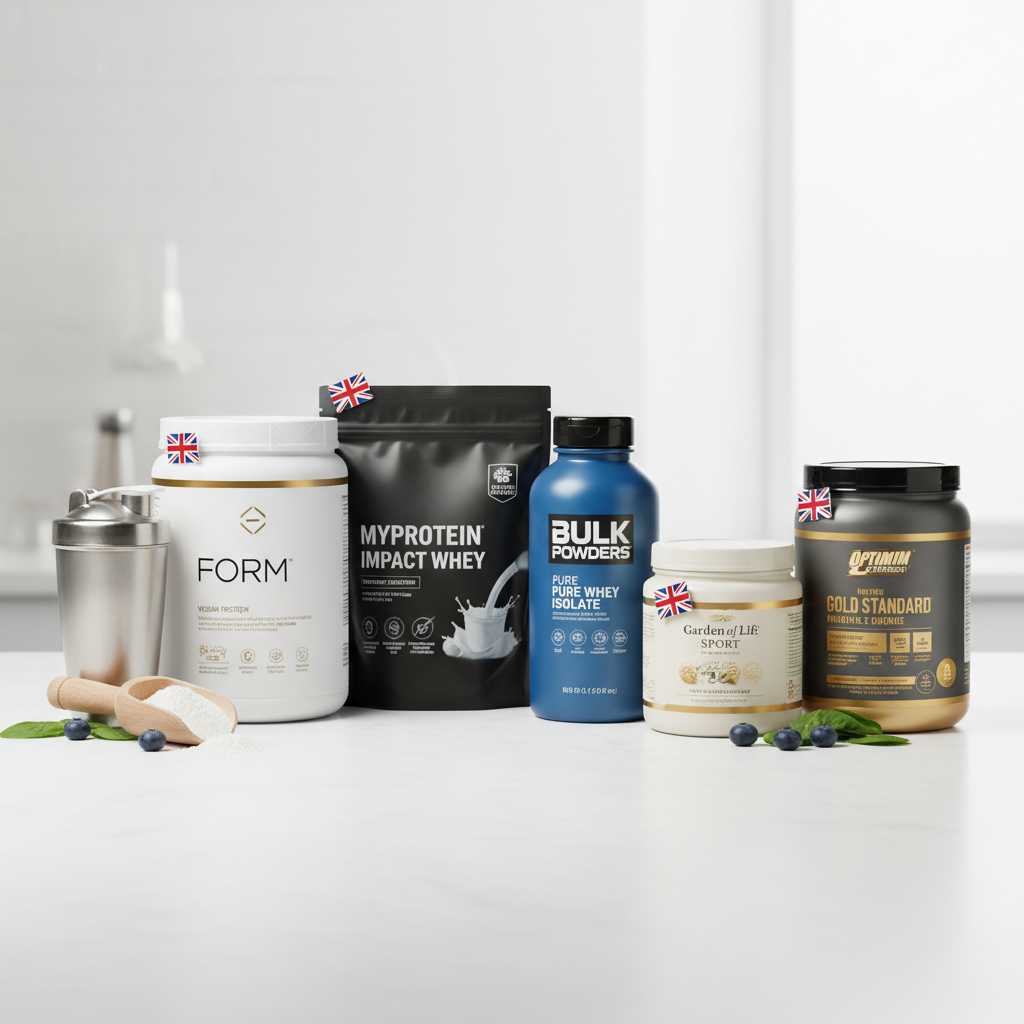
1. Myprotein Impact Whey Protein
Let's kick things off with a true UK stalwart. Myprotein's Impact Whey Protein is often the first protein powder many of us try, and for good reason. It’s a fantastic all-rounder, offering superb value for money without compromising too much on quality. This is a whey concentrate, meaning it's a great choice for everyday use, whether you're a seasoned lifter or just starting your fitness journey.
Myprotein has built its empire on offering affordable, no-nonsense supplements, and Impact Whey is their flagship product. It's consistently one of the best-selling protein powders globally, and for good reason. It delivers a solid hit of protein with a decent amino acid profile, including over 2g of leucine per serving, which is crucial for stimulating muscle protein synthesis (the process by which your body builds new muscle). *A study published in the American Journal of Clinical Nutrition (2009) highlighted the importance of leucine as a key amino acid for muscle growth signalling.*
They also offer an absolutely staggering array of flavours, from classic chocolate and vanilla to more adventurous options like 'Lemon Cheesecake' or 'Rocky Road'. While not every flavour is a winner (some are definitely an acquired taste!), the sheer variety means you're bound to find a few that you genuinely enjoy.
* **Key Ingredients:** Whey Protein Concentrate (from milk), Flavouring, Sweetener (Sucralose).
* **Typical Nutritional Info (per 25g serving, Unflavoured):**
* Protein: 21g
* Carbohydrates: 1.5g (of which sugars: 1.5g)
* Fat: 1.9g (of which saturates: 1.3g)
* Calories: 103 kcal
* **Dosage/Usage:** One large scoop (25g) mixed with 150-250ml of water or milk, 1-3 times daily. Best taken post-workout or between meals.
* **Price:** Typically ranges from £25-£35 for 1kg, or £50-£70 for 2.5kg. This works out to roughly £0.60-£0.80 per serving, making it incredibly budget-friendly.
Pros:
* Excellent value for money, making it accessible for everyone.
* Huge range of flavours, ensuring there's something for every palate.
* Good protein content per serving (around 80%).
* Mixes relatively well with water or milk, usually without excessive clumps.
* Widely available and often on promotion.
* Strong amino acid profile, including a good dose of BCAAs.
Cons:
* Being a concentrate, it contains slightly more carbs, fats, and lactose than isolates, which might not suit everyone.
* Some flavours can be hit-or-miss, and the artificial sweeteners might not appeal to all.
* Packaging can sometimes feel a bit basic compared to premium brands.
2. Optimum Nutrition Gold Standard 100% Whey
If Myprotein is the reliable Ford Focus of the protein world, then Optimum Nutrition Gold Standard 100% Whey is the sleek, dependable BMW. It's a global bestseller and has consistently been a benchmark for quality in the supplement industry for years. This isn't *just* a whey concentrate; it's actually a blend of whey protein isolate (the primary ingredient), whey protein concentrate, and whey peptides. This blend offers the best of both worlds: rapid absorption from the isolate and peptides, coupled with the slightly slower digestion of the concentrate, providing a sustained release of amino acids.
Optimum Nutrition prides itself on quality, and their Gold Standard is known for its excellent mixability and a consistently good flavour profile across its range. You'd be hard-pressed to find someone who hasn't at least heard of this one, and its enduring popularity is a testament to its effectiveness and trustworthiness. It's a go-to for many athletes and fitness enthusiasts who demand a high-quality, reliable protein source.
The inclusion of digestive enzymes (Aminogen) in some versions is a nice touch, potentially aiding digestion and absorption, though individual responses vary. *Research on digestive enzymes in protein supplements is ongoing, but some studies suggest they can improve protein utilisation and reduce digestive discomfort for some individuals.*
* **Key Ingredients:** Protein Blend (Whey Protein Isolate, Whey Protein Concentrate, Whey Peptides), Cocoa (processed with alkali), Lecithin, Artificial Flavour, Acesulfame Potassium, Aminogen, Lactase.
* **Typical Nutritional Info (per 30.4g serving, Double Rich Chocolate):**
* Protein: 24g
* Carbohydrates: 3g (of which sugars: 1g)
* Fat: 1.5g (of which saturates: 0.5g)
* Calories: 120 kcal
* **Dosage/Usage:** One rounded scoop (approx. 30g) mixed with 180-240ml of water or milk. Consume immediately post-workout or as a protein top-up throughout the day.
* **Price:** Typically ranges from £35-£45 for 908g, or £65-£85 for 2.27kg. This works out to roughly £0.90-£1.20 per serving, placing it in the mid-to-premium price bracket.
Pros:
* Excellent blend of whey proteins (isolate, concentrate, peptides) for comprehensive amino acid delivery.
* Fantastic mixability – practically no clumps, even with just a spoon.
* Consistently good flavour across most options, making it easy to stick to.
* High protein content and low in sugar and fat, great for lean muscle growth.
* Trusted brand with a long-standing reputation for quality and purity.
* Good BCAA content (over 5g per serving).
Cons:
* More expensive per serving than basic whey concentrates like Myprotein Impact Whey.
* Uses artificial sweeteners (sucralose, acesulfame K), which some prefer to avoid.
* Contains lactose, so not suitable for those with severe lactose intolerance (though the isolate content is low).
3. Bulk Powders Vegan Protein Powder
For readers who want a plant-based option, Bulk Powders Vegan Protein Powder remains one of the stronger picks in this category. Texture and flavour have improved compared with older vegan blends, and it performs reasonably well on usability and overall value.
This powder typically features a blend of pea protein isolate, brown rice protein, and sometimes hemp protein. This combination is crucial because, individually, most plant proteins aren't "complete" (meaning they don't contain all essential amino acids in sufficient quantities). However, by blending them, you get a synergistic effect, creating a comprehensive amino acid profile that rivals whey. For instance, pea protein is rich in lysine, while rice protein provides ample methionine, and together they cover all bases. *A review in "Nutrients" (2019) highlighted the efficacy of blended plant proteins for achieving comparable muscle protein synthesis to animal proteins.*
What really sets Bulk Powders apart is their commitment to taste and texture. Their vegan range has received rave reviews for its smooth consistency and surprisingly palatable flavours, which is often the biggest hurdle for plant-based options. They've clearly invested in R&D to make sure this isn't just "good for a vegan protein" but genuinely good, full stop.
* **Key Ingredients:** Pea Protein Isolate, Brown Rice Protein, Flavouring, Sweetener (Sucralose, Steviol Glycosides from Stevia).
* **Typical Nutritional Info (per 30g serving, Chocolate Peanut):**
* Protein: 22g
* Carbohydrates: 2.1g (of which sugars: 0.2g)
* Fat: 2.2g (of which saturates: 0.5g)
* Calories: 119 kcal
* **Dosage/Usage:** One scoop (30g) mixed with 250-300ml of water or plant-based milk. Excellent post-workout or as a meal replacement component.
* **Price:** Typically ranges from £25-£35 for 1kg, or £50-£65 for 2.5kg. This puts it at roughly £0.80-£1.00 per serving, making it competitive with some whey options.
Pros:
* Excellent complete amino acid profile thanks to the blend of plant proteins.
* Great taste and texture for a vegan protein – significantly less gritty than many competitors.
* Dairy-free, lactose-free, and suitable for vegans and those with dairy allergies.
* High protein content per serving with low sugar and fat.
* Often includes a blend of sweeteners (sucralose and stevia) to balance taste.
* Good value for a quality plant-based option.
Cons:
* While greatly improved, some might still detect a slight "planty" aftertaste compared to dairy proteins.
* Can sometimes be a little thicker when mixed compared to whey isolates.
* Flavour range, while good, isn't as extensive as Myprotein's whey options.
4. Myprotein Slow Release Casein
When you're looking for protein to fuel your body over a longer period, especially overnight, Myprotein Slow Release Casein steps up to the plate. As we discussed earlier, casein is the "slow and steady wins the race" of the protein world. It forms a gel in your stomach, which means amino acids are released gradually, providing a consistent supply to your muscles for up to 7-8 hours. This makes it absolutely brilliant for preventing catabolism (muscle breakdown) during extended periods without food, like overnight sleep or long stretches between meals.
Myprotein's Slow Release Casein is micellar casein, which is considered the highest quality form, as it's minimally processed and retains its natural structure, allowing for that characteristic slow digestion. It's particularly popular with bodybuilders and strength athletes who are serious about optimising recovery and growth around the clock. If you’re often waking up feeling ravenous or know you’ll be going a long time between meals, a casein shake before bed can be a a smart move.
Mixing casein is a bit different from whey; it tends to be thicker, so be prepared for a slightly different texture, often described as milkshake-like or even pudding-like if you use less liquid.
* **Key Ingredients:** Micellar Casein (from milk), Flavouring, Sweetener (Sucralose).
* **Typical Nutritional Info (per 30g serving, Unflavoured):**
* Protein: 23g
* Carbohydrates: 2.3g (of which sugars: 2.3g)
* Fat: 0.4g (of which saturates: 0.2g)
* Calories: 106 kcal
* **Dosage/Usage:** One large scoop (30g) mixed with 200-300ml of water or milk, ideally before bed. Can also be used between meals to boost satiety.
* **Price:** Typically ranges from £30-£40 for 1kg, or £60-£80 for 2.5kg. This works out to roughly £0.90-£1.20 per serving, putting it on par with premium whey.
Pros:
* Provides a sustained release of amino acids, ideal for overnight recovery and muscle preservation.
* High protein content with very low fat and carbs.
* Excellent for increasing satiety, making it useful for weight management.
* Can be used to make thicker, dessert-like shakes or protein puddings.
* Good value for a quality micellar casein product.
Cons:
* Slower absorption means it's not ideal for immediate post-workout recovery when rapid amino acid delivery is paramount.
* Texture can be very thick, which some people dislike.
* Flavour range is generally more limited compared to whey proteins.
* Contains lactose, so not suitable for those with lactose intolerance.
5. PhD Smart Protein
Rounding off our list is PhD Smart Protein, a fantastic option for those who want a versatile, high-quality protein blend that can be used at any time of day. PhD Nutrition is another highly reputable UK brand known for its commitment to product innovation and quality, and Smart Protein really embodies this.
What makes Smart Protein "smart" is its multi-source protein blend, typically combining whey protein concentrate, micellar casein, and soy protein isolate. This strategic blend provides both fast-acting (whey) and slow-releasing (casein and soy) proteins, ensuring a sustained supply of amino acids to your muscles. This makes it incredibly adaptable – whether you need a quick post-workout hit, a mid-morning snack, or even a pre-bed top-up, it’s got you covered. *Combining fast and slow-digesting proteins has been shown in some studies to potentially lead to a more prolonged elevation of muscle protein synthesis compared to single-source proteins.*
Beyond its impressive protein blend, PhD Smart Protein is also renowned for its delicious, dessert-inspired flavours and excellent mixability. It's designed to be a treat rather than a chore, which is crucial for consistency. It's often marketed as a "diet protein" due to its relatively low calorie, sugar, and fat content, making it a great choice for those looking to manage their weight while maintaining muscle mass.
* **Key Ingredients:** Protein Blend (Whey Protein Concentrate, Micellar Casein, Soy Protein Isolate), Fat-Reduced Cocoa Powder, Flavouring, Sweetener (Sucralose).
* **Typical Nutritional Info (per 25g serving, Chocolate Cookie):**
* Protein: 19g
* Carbohydrates: 1.5g (of which sugars: 0.7g)
* Fat: 1.2g (of which saturates: 0.6g)
* Calories: 95 kcal
* **Dosage/Usage:** One scoop (25g) mixed with 150-200ml of water or milk. Can be used 1-3 times daily, post-workout, between meals, or before bed.
* **Price:** Typically ranges from £20-£30 for 500g, or £35-£50 for 1kg. This works out to roughly £0.90-£1.20 per serving, putting it at the higher end for a blend, but justified by its versatility and taste.
Pros:
* Versatile protein blend (whey, casein, soy) suitable for any time of day, offering both fast and slow release.
* Excellent taste and texture, often described as dessert-like and highly enjoyable.
* Relatively low in calories, sugar, and fat, making it suitable for weight management goals.
* Good mixability, creating a smooth shake.
* Trusted UK brand with a focus on quality and innovation.
* Offers a good amount of protein per low-calorie serving.
Cons:
* Slightly lower protein content per serving compared to some pure isolates or concentrates.
* Uses artificial sweeteners.
* Contains both dairy and soy, so not suitable for those with allergies to either.
* Can be a bit pricier per serving than basic whey concentrates.
Comparison and Verdict
So, you've seen the contenders, now let's summarise and pick some winners for specific scenarios.
| Protein Powder | Type | Protein/Serving (approx.) | Price/Serving (approx.) | Best For |
| :-------------------------------------- | :------------------------- | :------------------------ | :---------------------- | :-------------------------------------------- |
| Myprotein Impact Whey Protein | Whey Concentrate | 21g (25g scoop) | £0.60 - £0.80 | Budget-conscious, everyday use, beginners |
| Optimum Nutrition Gold Standard 100% Whey | Whey Isolate/Conc. Blend | 24g (30g scoop) | £0.90 - £1.20 | Premium quality, reliable, post-workout |
| Bulk Powders Vegan Protein Powder | Plant-Based Blend | 22g (30g scoop) | £0.80 - £1.00 | Vegans, dairy-free, those seeking plant-based |
| Myprotein Slow Release Casein | Micellar Casein | 23g (30g scoop) | £0.90 - £1.20 | Overnight recovery, satiety, long periods |
| PhD Smart Protein | Whey/Casein/Soy Blend | 19g (25g scoop) | £0.90 - £1.20 | Versatile, weight management, great taste |
Overall Verdict:
* **Best All-Rounder & Value:** **Myprotein Impact Whey Protein**. You simply can't beat the bang for your buck here. It's a solid, reliable choice for the vast majority of people and offers incredible flavour variety.
* **Best Premium & Reliability:** **Optimum Nutrition Gold Standard 100% Whey**. If you've got a bit more to spend and want a consistently high-quality product that mixes like a dream and tastes great, this is your go-to.
* **Best Plant-Based:** **Bulk Powders Vegan Protein Powder**. They've truly nailed the taste and texture for a vegan option, making it a genuinely enjoyable and effective choice for plant-eaters.
* **Best for Overnight & Satiety:** **Myprotein Slow Release Casein**. For those focused on round-the-clock muscle support and keeping hunger at bay, casein is king, and Myprotein offers a great option.
* **Best for Versatility & Taste:** **PhD Smart Protein**. Its blend makes it suitable for any time, and its dessert-like flavours make hitting your protein goals a real treat, especially if you're watching your calories.
Practical Tips for Buying and Using Protein Powder
Alright, you've got your top picks, but here are a few extra nuggets of wisdom to make sure you get the most out of your protein powder journey.
1.
Read the Label (Seriously!)
Don't just look at the big "PROTEIN" number on the front. Flip that tub over and look at the nutritional panel and ingredients list.
* **Protein per serving:** Compare this to the serving size. Some brands might have a smaller serving size to make the protein percentage seem higher.
* **Sugar and Fat:** If you're cutting, you'll want these as low as possible.
* **Ingredients list:** Look for the primary protein source first. Be aware of artificial sweeteners, thickeners, and fillers if you're trying to avoid them.
* **Allergens:** Crucial if you have sensitivities to dairy, soy, or gluten.
2.
Consider Your Goals
* **Muscle Gain:** Whey protein post-workout is key for rapid recovery. Adding casein before bed can further aid muscle repair.
* **Weight Loss:** Protein is fantastic for satiety. A low-calorie, high-protein shake can be a great meal replacement or snack. Casein or a versatile blend like PhD Smart Protein can help keep you full.
* **General Health/Convenience:** Any complete protein will do the job of topping up your daily intake. Choose based on taste preference and budget.
3.
Taste is Subjective – Try Samples if You Can
What one person loves, another might detest. If a brand offers sample sachets, grab a few before committing to a huge 2.5kg tub of something you might regret. Forums and review sections are also great for gauging general flavour consensus.
4.
Mixability Matters
No one likes lumps! A good shaker bottle with a wire whisk ball or mesh insert is your best friend. For thicker powders like casein, or if you want a really smooth blend, an electric blender is ideal. Experiment with the amount of liquid – more liquid usually means a thinner shake.
5.
When to Take Your Protein
* **Post-Workout:** Within 30-60 minutes after training (the "anabolic window") is traditionally recommended for rapid amino acid delivery. Whey is perfect here.
* **First Thing in the Morning:** Helps kickstart your metabolism and prevent muscle breakdown after an overnight fast.
* **Between Meals:** A great way to boost your protein intake and keep hunger at bay, especially if your meals are far apart.
* **Before Bed:** Casein is the undisputed champion here for slow, sustained release throughout the night.
6.
Don't Rely Solely on Supplements
Remember, protein powder is a *supplement*, not a replacement for whole foods. Aim to get the majority of your protein from lean meats, fish, eggs, dairy, legumes, and other whole food sources. Protein powder is there to fill the gaps and offer convenience.
7.
Hydration is Key
Increasing your protein intake means your kidneys have to work a bit harder. Make sure you're drinking plenty of water throughout the day to support this and keep everything running smoothly.
Conclusion
So there you have it, my comprehensive rundown of the top protein powders available in the UK for 2025. The world of supplements can be a minefield, but with these five cracking options, you're well-equipped to make an informed choice that suits your goals, your taste buds, and your wallet.
Whether you're after the unbeatable value of Myprotein Impact Whey, the premium quality of Optimum Nutrition Gold Standard, the fantastic plant-based offering from Bulk Powders, the slow-release goodness of Myprotein Casein, or the versatile and delicious PhD Smart Protein, there's a top-tier option out there for you.
Remember, consistency is king. The best protein powder is the one you'll actually enjoy taking regularly. So, pick your poison (in the best possible way!), get shaking, and keep smashing those fitness goals. Cheers!