What Exactly is an Ice Bath?
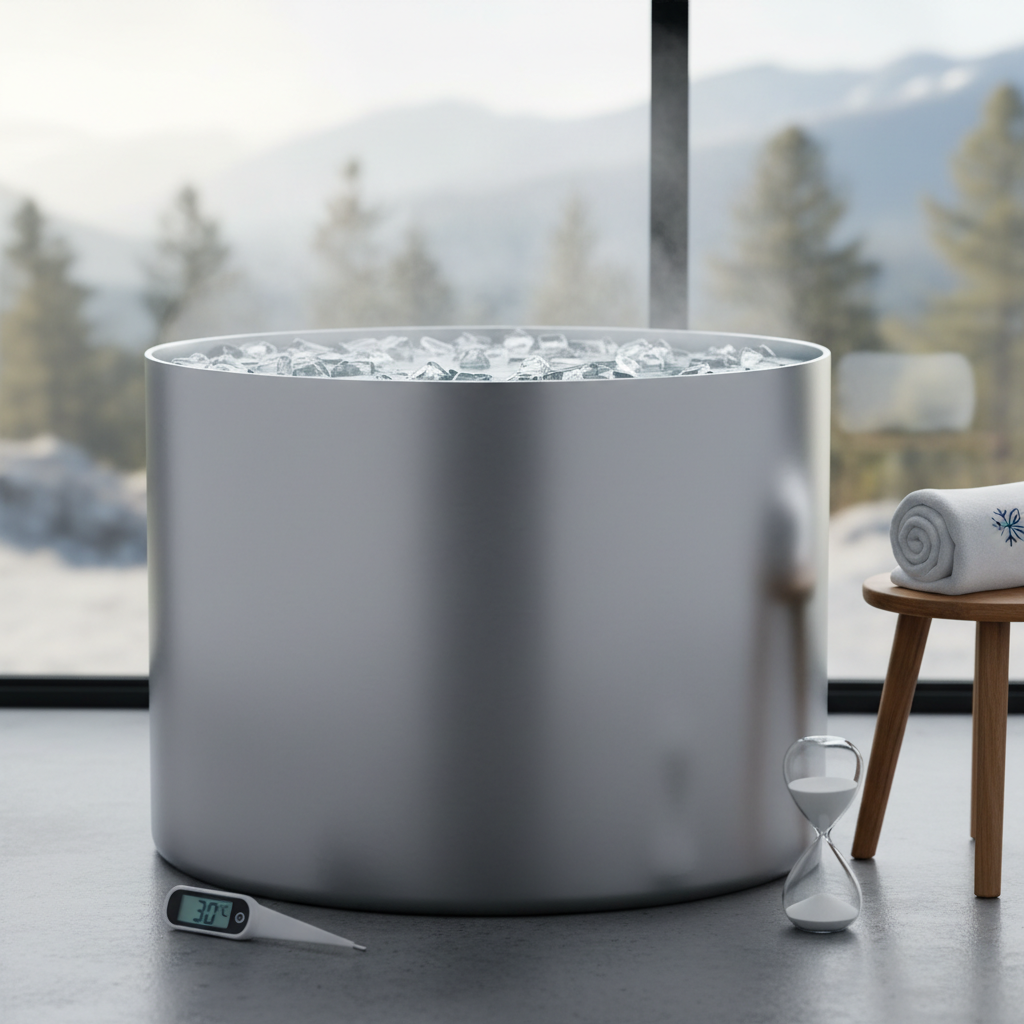
At its core, an ice bath, also known as cold water immersion (CWI), is exactly what it sounds like: submerging your body, or at least a significant portion of it, into water that's seriously cold – typically between 5 and 15 degrees Celsius. It's usually done for a short, controlled period after intense physical activity or as part of a wider wellness routine. The concept isn't exactly new. Ancient civilisations, including the Greeks and Romans, used cold water for therapeutic purposes. Fast forward a few millennia, and CWI has become a staple in sports recovery protocols, particularly prevalent in contact sports like rugby, football, and boxing, where bodies take a battering. The primary mechanism behind an ice bath's supposed benefits revolves around how your body reacts to extreme cold. When you plunge into icy water, your blood vessels constrict dramatically – a process called *vasoconstriction*. This reduces blood flow to the submerged areas, which in turn can help to decrease swelling and inflammation. Once you get out of the cold water, your blood vessels rapidly dilate (*vasodilation*), causing a rush of fresh, oxygenated blood back to the muscles. This "pump" action is thought to help flush out metabolic waste products that accumulate during exercise, such as lactic acid, and deliver nutrients crucial for repair. It's a shock to the system, no doubt about it, but proponents argue that this shock is precisely what kickstarts the body's natural recovery processes. Think of it as hitting the reset button for your muscles and mind.The Science Behind the Chill: How Do Ice Baths Work?
Alright, let's get a bit more technical, but I promise not to bore you with too much jargon. The science behind ice baths is still an evolving field, with researchers constantly refining our understanding. However, several key physiological changes are widely accepted as contributing to the benefits.Reduced Muscle Soreness (DOMS)
One of the most frequently cited reasons for taking an ice bath is to combat Delayed Onset Muscle Soreness (DOMS). This is that lovely, stiff, aching feeling you get a day or two after a particularly tough workout. DOMS is caused by microscopic tears in muscle fibres and the subsequent inflammatory response. A meta-analysis published in the *Journal of Strength and Conditioning Research* (Poppendieck et al., 2013) concluded that cold water immersion significantly reduced perceived muscle soreness 24, 48, and 72 hours after exercise compared to passive recovery. The vasoconstriction and subsequent vasodilation are thought to reduce fluid accumulation in the muscles, which contributes to the sensation of soreness.Decreased Inflammation
Intense exercise causes a localised inflammatory response in the muscles. While some inflammation is necessary for repair, excessive or prolonged inflammation can hinder recovery. Ice baths are believed to mitigate this. The cold temperature slows down metabolic activity and reduces the release of inflammatory mediators (like cytokines). By constricting blood vessels, CWI also helps to prevent excessive fluid leakage into the interstitial spaces, thereby reducing swelling. A review in *Sports Medicine* (Bleakley et al., 2012) highlighted that CWI could be effective in reducing inflammation and improving recovery, particularly when implemented shortly after exercise. However, it also noted that the precise mechanisms and optimal protocols still require more research.Improved Recovery and Performance
Beyond just soreness, the theory is that by accelerating recovery, athletes can train harder and more frequently, ultimately leading to improved performance. While direct evidence linking CWI to long-term performance gains is a bit trickier to establish, the subjective feeling of faster recovery is a powerful motivator for many. Some studies suggest that CWI might help restore muscle function quicker. For instance, a study in the *European Journal of Applied Physiology* (Roberts et al., 2014) found that CWI after resistance exercise helped maintain muscle force production in subsequent training sessions.Mental Benefits and Resilience
It's not all about the physical. Plunging into icy water is a challenge, a mental battle against your body's natural inclination to flee the cold. Successfully enduring an ice bath can build mental fortitude, resilience, and a sense of accomplishment. Many users report feeling invigorated, more alert, and experiencing a mood boost post-bath. This could be due to the release of endorphins and norepinephrine, hormones known to improve mood and focus. The controlled breathing techniques often employed during CWI can also promote a state of mindfulness and stress reduction. It's important to note that while the evidence for reduced DOMS and perceived recovery is quite strong, the impact of ice baths on muscle growth (hypertrophy) can be a bit more nuanced. Some research suggests that immediately following strength training, CWI might blunt the acute inflammatory response that's actually necessary for muscle adaptation and growth. Therefore, if your primary goal is muscle hypertrophy, you might want to time your ice baths a few hours *after* your strength session, or perhaps on a different day. For endurance athletes or those focused on immediate recovery between intense sessions, this concern is less prominent.Temperature is Key: Finding Your Sweet Spot
This isn't a guessing game; the water temperature is crucial for both effectiveness and safety. Too warm, and you won't get the desired physiological response. Too cold, and you risk hypothermia or cold shock. Most recommendations for ice bath temperature fall within a relatively narrow range:- Optimal Range: 10 to 15 degrees Celsius (50 to 59 degrees Fahrenheit)
- Effective but Intense: 5 to 10 degrees Celsius (41 to 50 degrees Fahrenheit)
Why These Temperatures?
Within this 10-15 degree Celsius range, your body experiences significant vasoconstriction without immediate danger. It's cold enough to trigger the therapeutic responses we discussed earlier – reducing blood flow, inflammation, and metabolic activity – but not so cold that it becomes overwhelmingly dangerous for short durations.
If you're aiming for the lower end of that spectrum (5-10 degrees C), you'll likely feel a more intense initial shock, and your tolerance duration will be shorter. It's often reserved for very experienced users or specific protocols.
How to Measure and Maintain Temperature
- Thermometer: This is non-negotiable. A simple kitchen or outdoor thermometer will do the trick. You can pick one up for a fiver to a tenner at most hardware or garden shops, or online.
- Ice to Water Ratio: A good starting point is usually a 1:1 ratio of ice to water, or slightly less ice if your tap water is already quite cold. You'll need to experiment a bit to find what works for your tub size and desired temperature.
- Adding Ice Gradually: Don't just dump it all in. Add ice, stir, and check the temperature. Repeat until you hit your target.
- Pre-Cooling: If you have a dedicated ice bath tub, you can pre-cool the water for an hour or so before adding ice to make it more efficient.
Remember, consistency is important. Aim for the same temperature each time to better gauge your body's response and progress.
Duration Matters: How Long Should You Brave the Cold?
Just like temperature, the duration of your ice bath is critical. More isn't necessarily better, and staying in too long can be detrimental.Recommended Durations:
- Beginners: Start with 1-3 minutes.
- General Recommendation: 5 to 10 minutes.
- Maximum Duration: 15 minutes.
Rarely, if ever, should you exceed 15 minutes, even if you're an experienced ice bather. The risks outweigh the potential benefits beyond this point.
For more on this topic, check out our Best Probiotics for Gut Health UK: 5 Supplements Reviewed.
Why These Durations?
Studies suggest that the primary physiological benefits of cold water immersion occur within the first 5-10 minutes. Beyond this, the additional benefits tend to plateau, while the risks of adverse effects increase. Your body needs time to react to the cold, but prolonged exposure can lead to:
- Excessive vasoconstriction: Which can restrict blood flow too much, potentially causing tissue damage in extreme cases.
- Hypothermia: A dangerous drop in core body temperature.
- Cold shock response: An involuntary gasp reflex, rapid breathing, and increased heart rate that can be dangerous, especially for those with underlying cardiovascular issues.
Gradual Approach is Key
If you're new to ice baths, don't jump straight into 10 minutes at 8 degrees Celsius. That's a recipe for a miserable (and potentially unsafe) experience.
- Start short: Begin with 1-2 minutes at the higher end of the recommended temperature range (12-15 degrees C).
- Listen to your body: Pay attention to how you feel. If you're shivering uncontrollably or experiencing numbness, get out.
- Progress slowly: Gradually increase your duration by 30 seconds to a minute per session, and/or slowly decrease the temperature over several weeks, as your tolerance improves.
Consistency over intensity is a far better approach. A regular 5-minute dip at 12 degrees C will likely yield more benefits than a sporadic, overly ambitious 15-minute plunge at 5 degrees C that you dread.
The Benefits: Why Put Yourself Through It?
So, aside from the sheer bragging rights, what are the actual payoffs for enduring the chill?- Reduced Muscle Soreness (DOMS): As discussed, this is perhaps the most well-documented benefit. Athletes often report feeling significantly less stiff and sore after CWI.
- Faster Recovery: By flushing out waste products and reducing inflammation, ice baths can help your muscles recover more quickly, allowing for more consistent training.
- Decreased Inflammation and Swelling: Particularly beneficial after intense exercise or minor impact injuries, helping to manage the body's inflammatory response.
- Improved Perceived Recovery: Even if the physiological changes are subtle, the feeling of refreshment and reduced fatigue can be a powerful psychological boost.
- Enhanced Mood and Mental Resilience: The act of intentionally exposing yourself to discomfort and overcoming it can build mental toughness and provide an invigorating rush of endorphins. It's a form of hormetic stress – a beneficial stressor that strengthens the body's adaptive responses.
- Better Sleep: Some users report improved sleep quality after regular ice baths, possibly due to the body's subsequent relaxation and the reduction in muscle discomfort.
- Boosted Circulation: The vasoconstriction/vasodilation cycle is thought to "train" your blood vessels, potentially improving overall circulatory health over time.
The Downsides: Is It All Just Cold Comfort?
It wouldn't be a balanced review without looking at the potential drawbacks and risks.- Initial Discomfort: Let's be honest, it's not pleasant at first. The shock can be intense, leading to gasping and an urge to flee.
- Potential for Hypothermia: Staying in too long, especially at very low temperatures, can dangerously lower your core body temperature.
- Cold Shock Response: The sudden plunge can cause an involuntary gasp, hyperventilation, and a spike in heart rate and blood pressure. This is particularly risky for individuals with pre-existing heart conditions.
- Risk of Frostnip/Frostbite: While rare with typical ice bath durations, prolonged exposure to cold can damage skin and underlying tissues. Fingers and toes are particularly vulnerable.
- Blunted Muscle Growth: As mentioned, some studies suggest that immediately post-strength training, CWI might interfere with the inflammatory processes required for optimal muscle hypertrophy. If building muscle is your primary goal, consider timing your ice bath a few hours later, or on separate days.
- Not for Everyone: Certain medical conditions contraindicate ice baths (see 'Who Should (and Shouldn't) Ice Bath?' below).
- Logistical Hassle: Acquiring enough ice, finding a suitable tub, and managing the clean-up can be inconvenient, especially for people doing it regularly at home.
Pros and Cons at a Glance
Here's a quick summary to help you weigh it up:Pros:
- Strong evidence for reduced DOMS and perceived muscle soreness.
- Helps decrease inflammation and swelling.
- Can speed up subjective recovery post-exercise.
- Boosts mental resilience and mood.
- Invigorating and refreshing feeling.
- Relatively inexpensive to set up at home.
Cons:
- Uncomfortable and intense initial experience.
- Risk of hypothermia or cold shock if not done correctly.
- May potentially blunt muscle hypertrophy if done immediately post-strength training.
- Not suitable for individuals with certain medical conditions.
- Requires planning and preparation (ice, tub, space).
- Can be inconvenient to clean up after repeated use.