Supplements
Reviewed by Dr. Nathan ColeUpdated March 2026UK market focus
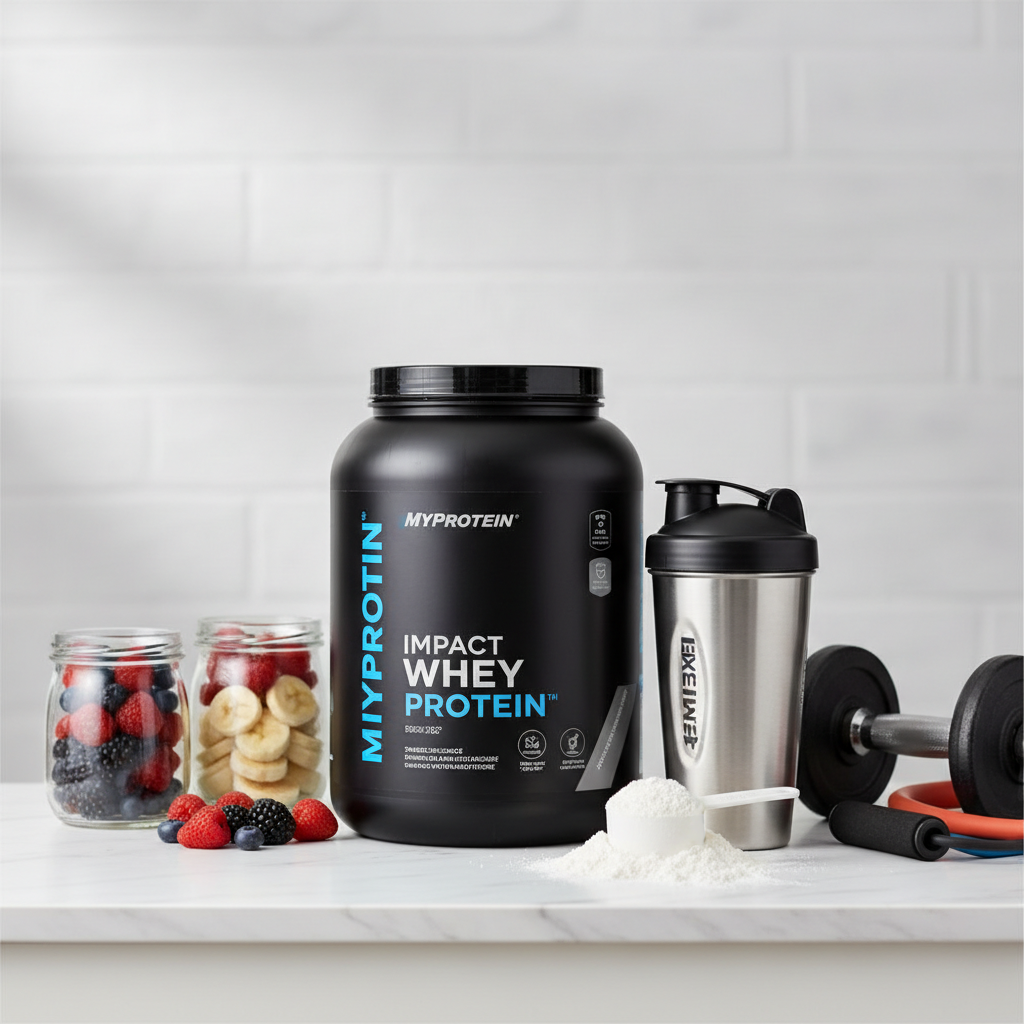
What is MyProtein Impact Whey Protein?
First things first, let’s quickly define what we’re talking about. MyProtein Impact Whey Protein is, as the name suggests, a whey protein supplement. For those unfamiliar, whey protein is a by-product of cheese production. When milk is curdled, it separates into curds (which become cheese) and liquid whey. This liquid whey is then processed, filtered, and dried into a powder.
Why is this important? Because whey protein is considered a "complete protein," meaning it contains all nine essential amino acids that your body can’t produce on its own. It’s also incredibly bioavailable, meaning your body can absorb and utilise it efficiently. This makes it an ideal supplement for anyone looking to:
* **Support muscle growth and repair:** After a workout, your muscles need protein to repair the tiny tears caused by exercise and to grow stronger. Whey protein provides a rapid influx of amino acids to kickstart this process.
* **Aid recovery:** Getting enough protein can help reduce muscle soreness and speed up recovery, getting you back in the gym quicker.
* **Increase satiety:** Protein is known to be the most filling macronutrient, so a protein shake can help you feel fuller for longer, which can be useful for weight management.
* **Boost overall protein intake:** Let’s be honest, sometimes getting enough protein from whole foods alone can be a challenge, especially if you’re active or on the go. Protein powder offers a convenient, quick solution.
MyProtein’s Impact Whey Protein is specifically a *whey concentrate*. This means it typically contains around 80% protein by weight, with the remaining percentage made up of small amounts of carbohydrates (lactose) and fats. It’s generally less processed and more affordable than whey isolate (which has more protein and less lactose/fat) or hydrolysate (which is pre-digested). This concentrate form is a key factor in its widespread appeal and accessible price point.
First Impressions: Packaging and Presentation
Let’s be honest, the first thing you notice about any product is how it looks. MyProtein Impact Whey Protein typically comes in a resealable pouch. Over the years, the design has evolved, but it generally features a clean, modern aesthetic with the prominent MyProtein logo and the product name.
The pouches are functional, but I’ve had a bit of a love-hate relationship with them over the years. On the one hand, they’re lightweight, take up less space than bulky tubs, and are generally easier to store. On the other hand, the resealable zipper can sometimes be a bit temperamental. There’s nothing quite as frustrating as trying to wrestle a stubborn zip back into place with protein powder clinging to every surface, especially when you’ve got a massive 5kg bag. I’ve definitely had a few instances where the seal has failed completely, leaving me to decant the powder into an airtight container. It’s not a deal-breaker, but it’s certainly something to be aware of.
Inside, you’ll usually find a scoop, though sometimes it likes to play hide-and-seek at the bottom of the bag, requiring a bit of a dig. The powder itself is fine and consistent, with no noticeable clumps or irregularities before mixing.
Overall, the packaging is practical and gets the job done. It’s not flashy, but it doesn’t need to be. It keeps costs down, which is ultimately reflected in the price.
Nutritional Breakdown: What's Inside?
This is where the rubber meets the road. What are you actually getting for your money? Let’s break down the typical nutritional profile of MyProtein Impact Whey Protein.
Protein Content
For a standard 25g serving (which is roughly one scoop), you’re generally looking at **20-21g of protein**. This can vary ever so slightly depending on the flavour – unflavoured versions often have a touch more protein per scoop, while heavily flavoured options might have a gram or two less due to the added flavourings and sweeteners.
An 80% protein content (20g protein in a 25g scoop) is pretty standard and very respectable for a whey concentrate. It’s enough to trigger muscle protein synthesis (MPS), which is the process by which your body builds new muscle proteins. Studies consistently show that consuming around 20-40g of protein post-exercise is optimal for maximising MPS, so a single scoop of Impact Whey fits perfectly into that recommendation.
Carbohydrates and Fats
Being a concentrate, Impact Whey does contain small amounts of carbohydrates and fats. Typically, a 25g serving will have around **1-2g of carbohydrates** (mostly from lactose) and **1-2g of fat**. Again, this can fluctuate slightly with different flavours.
For most people, these amounts are negligible and won’t significantly impact their daily macronutrient targets, even if you’re on a strict diet. If you’re extremely sensitive to lactose or following a very low-carb diet (like keto), you might want to consider MyProtein’s Impact Whey Isolate, which has even lower levels of carbs and fats. However, for the vast majority of gym-goers and active individuals, the carb and fat content in Impact Whey Protein is perfectly acceptable.
Amino Acid Profile
One of the key selling points of whey protein is its comprehensive amino acid profile. Impact Whey Protein is no exception. It’s rich in all nine essential amino acids (EAAs), which are crucial for muscle repair and growth.
Crucially, it’s particularly high in Branched-Chain Amino Acids (BCAAs) – Leucine, Isoleucine, and Valine. Leucine, in particular, is often hailed as the "anabolic trigger" because it plays a direct role in initiating muscle protein synthesis. A typical serving of Impact Whey will provide a significant dose of BCAAs, with a strong emphasis on leucine, which is exactly what you want post-workout.
This solid amino acid profile is why whey protein is so effective for muscle building and recovery. It provides the body with all the necessary building blocks in a highly digestible form.
Ingredients List
Let’s take a look at the typical ingredients list for a flavoured version:
* **Whey Protein Concentrate (Milk):** The primary ingredient, derived from bovine milk.
* **Emulsifier (Soy Lecithin):** Used to help the powder mix smoothly with liquid, preventing clumps.
* **Flavouring:** Specific to the chosen flavour (e.g., natural and artificial flavourings for Chocolate Smooth).
* **Sweetener (Sucralose, Acesulfame K):** These are artificial sweeteners used to provide taste without adding calories.
For unflavoured versions, the list is much simpler: just Whey Protein Concentrate (Milk) and Emulsifier (Soy Lecithin).
**Allergens:** It’s vital to note that MyProtein Impact Whey Protein contains **milk** (obviously) and **soy** (from the lecithin). If you have allergies to either of these, this product is not suitable for you. While whey concentrate contains some lactose, most individuals with mild lactose intolerance can tolerate it, especially when mixed with water. However, if you have severe lactose intolerance, you’d be better off with a whey isolate or a plant-based protein.
The use of artificial sweeteners is a common point of contention. Some people prefer to avoid them, while others are perfectly fine with them. MyProtein does offer an "All Natural" range that uses stevia as a sweetener, but the standard Impact Whey relies on sucralose and acesulfame K. For the price point, this is pretty standard across the industry.
Taste Test: Flavours and Mixability
Ah, the taste test. This is often the make-or-break factor for many people, and rightly so. You can have the most nutritionally perfect protein powder in the world, but if it tastes like pond water, you’re not going to stick with it. MyProtein is famous for its bewildering array of flavours – seriously, they have dozens, from the classics to the truly adventurous.
Flavours
I’ve tried a good chunk of MyProtein’s flavour range over the years, and my experience has been a bit of a mixed bag, as it tends to be with any brand offering so many options.
* **Chocolate Smooth:** This is their perennial bestseller for a reason. It’s a solid, dependable chocolate flavour. It’s not intensely rich like a premium hot chocolate, but it’s pleasant, slightly sweet, and very drinkable. It’s a safe bet if you’re unsure where to start.
* **Vanilla:** Another classic. It’s a mild, sweet vanilla, not too overpowering. It works well on its own or as a base for smoothies, as it doesn’t clash with other ingredients.
* **Salted Caramel:** This one is a personal favourite. It’s got a lovely balance of sweet caramel with a hint of saltiness that really comes through. It feels a bit more indulgent than the standard chocolate or vanilla.
* **Strawberry Cream:** For those who like fruity flavours, this is a good option. It’s sweet, reminiscent of a strawberry milkshake, though perhaps a touch on the artificial side for some palates.
* **Unflavoured:** If you want absolute purity and plan to mix your protein into oats, yoghurt, or smoothies with strong flavours, unflavoured is your best bet. It has a very mild, slightly milky taste, but it’s largely neutral and allows other ingredients to shine.
* **The more adventurous ones:** I’ve dabbled in things like Blueberry Cheesecake, Speculoos, and even Birthday Cake. Some have been surprisingly good, others have been a bit of a miss for me, tasting a bit too artificial or just not quite hitting the mark. This is where personal preference really comes into play.
**General assessment:** MyProtein flavours tend to be on the sweeter side, which is common for protein powders using artificial sweeteners. They generally deliver on the advertised flavour, though sometimes with an underlying artificial note that might not appeal to everyone. If you’re used to more natural-tasting products, you might find them a little synthetic initially. However, for the price, the flavour quality is more than acceptable.
Mixability
This is another area where MyProtein Impact Whey generally performs very well.
* **With water:** Most flavours mix exceptionally well with just water in a standard shaker bottle. A few vigorous shakes are usually enough to get a smooth, lump-free consistency. You might get a thin layer of foam on top, particularly with colder water, but it usually dissipates quickly.
* **With milk/plant-based milk:** Mixing with milk or a plant-based alternative like almond or oat milk generally results in an even creamier, thicker shake, often reducing any residual foam. The flavour also tends to be enhanced.
* **In a blender:** If you’re adding it to smoothies with fruit, ice, or other ingredients, it blends smoothly without any issues.
I’ve rarely encountered significant clumping with Impact Whey, which is a huge plus. There’s nothing worse than finding unmixed pockets of powder at the bottom of your shaker! The soy lecithin emulsifier clearly does its job effectively.
Price Point: Value for Money
Now, let’s talk brass tacks: the cost. For many, this is where MyProtein truly shines and arguably justifies a significant portion of its "hype."
Typical Pricing
MyProtein operates on a model of frequent and significant sales. It’s rare to see their products at full RRP.
* **1kg pouch (approx. 40 servings):** Full price typically around £25-£30. On sale, you can often grab this for **£15-£20**.
* **2.5kg pouch (approx. 100 servings):** Full price typically around £50-£60. On sale, this often drops to **£30-£40**.
* **5kg pouch (approx. 200 servings):** Full price typically around £90-£110. On sale, you can frequently find this for an incredible **£50-£70**.
Let’s do a quick calculation based on a common sale price for a 5kg bag at £60:
£60 / 200 servings = **£0.30 per serving**.
That’s an astonishingly low price for 20-21g of high-quality protein.
Even at a more conservative sale price of £70 for 5kg, you’re looking at £0.35 per serving. Compare that to a protein bar (typically £1.50-£2.50) or a pre-made protein shake (often £2-£3), and you can see the immense value.
Is it truly 'budget-friendly'?
Absolutely. MyProtein has carved out its niche by offering genuinely affordable supplements without (in most cases) compromising too much on quality. They achieve this through economies of scale, direct-to-consumer sales, and a focus on whey concentrate, which is less expensive to produce than isolate or hydrolysate.
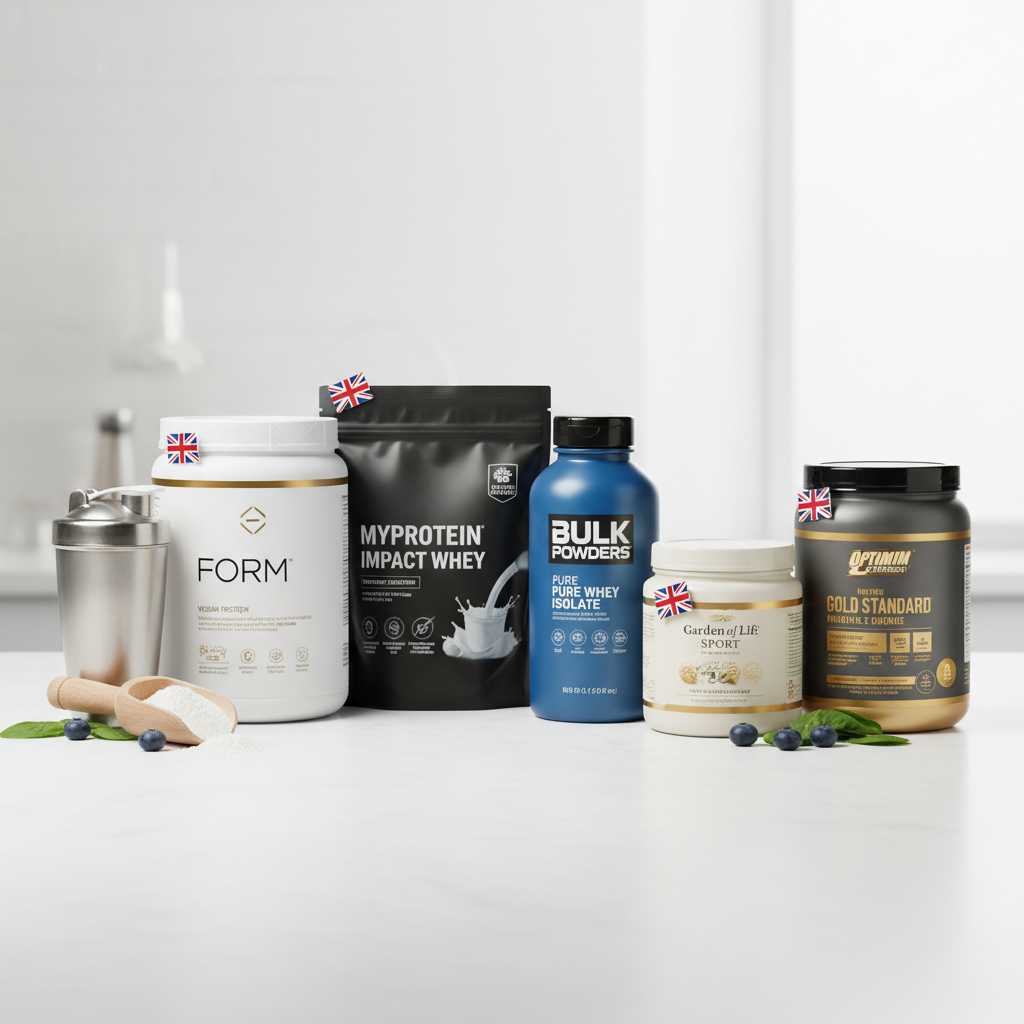
While there are certainly more "premium" brands out there that might offer slightly higher protein percentages, more natural ingredients, or fancier packaging, they often come with a significantly higher price tag. For the vast majority of people, the incremental benefits of these more expensive options don't justify the extra cost, especially when considering the excellent value offered by Impact Whey.
If you’re a student, on a tight budget, or simply appreciate getting more for your money, MyProtein Impact Whey is incredibly hard to beat on price.
Pros and Cons
Every product has its strengths and weaknesses, and MyProtein Impact Whey Protein is no different. Here’s a balanced look:
Pros
* **Excellent Protein Content:** Provides a solid 20-21g of protein per 25g serving, which is ideal for muscle growth and repair.
* **Comprehensive Amino Acid Profile:** Rich in all essential amino acids, particularly BCAAs (Leucine, Isoleucine, Valine), crucial for muscle protein synthesis.
* **Unbeatable Value for Money:** Consistently one of the most affordable protein powders on the market, especially when bought in bulk during sales. The cost per serving is incredibly low.
* **Wide Range of Flavours:** An enormous selection means there’s likely a flavour to suit almost every palate, from classic chocolate to more adventurous options.
* **Generally Good Mixability:** Mixes easily with water or milk in a shaker, resulting in a smooth, lump-free shake with minimal foaming.
* **Versatile:** Can be used in simple shakes, added to smoothies, mixed into oats, yoghurt, or even used in baking recipes to boost protein content.
* **Widely Available and Trusted Brand:** MyProtein is a well-established and reputable brand, making it easy to purchase and rely on.
* **Fast Digestion:** Whey protein is known for its rapid digestion, delivering amino acids to muscles quickly after exercise.
Cons
* **Contains Lactose:** As a whey concentrate, it contains lactose, which can cause digestive discomfort (bloating, gas) for individuals with moderate to severe lactose intolerance.
* **Artificial Sweeteners:** The use of sucralose and acesulfame K might be a turn-off for those who prefer to avoid artificial ingredients. Some find the sweetness a bit overpowering.
* **Flavour Consistency:** While many flavours are good, some can taste a bit artificial or have a slightly chemical aftertaste for sensitive palates.
* **Packaging Issues:** The resealable pouches can sometimes be flimsy or difficult to close, particularly with larger sizes, leading to potential mess or spoilage if not stored properly.
* **Not an Isolate:** While not strictly a "con" for everyone, it’s important to remember it’s a concentrate. If you need the absolute lowest fat/carb/lactose content, an isolate would be a better (but more expensive) choice.
* **Foaming:** Some users report a degree of foam after shaking, which can be off-putting, though it usually settles quickly.