Supplements
MyProtein vs Bulk: Which UK Protein Brand Wins?
Right, listen up, fellow fitness enthusiasts and health-conscious Brits! If you've ever dipped your toe into the vast, sometimes overwhelming, world of sports supplements, you'll know that protein powder is often the first port of call. It's the bread and butter, the staple, the absolute must-have for anyone looking to build muscle, aid recovery, or simply boost their daily protein intake. And when it comes to the UK market, two names consistently duke it out for supremacy: MyProtein and Bulk (formerly Bulk Powders). Now, I've been around the block a few times. I've scooped, shaken, and chugged more protein shakes than I care to count, all in the name of gains and general well-being. My kitchen cupboard often looks like a supplement graveyard, but it's all part of the job, isn't it? For years, these two brands have been the titans of the UK supplement scene, offering everything from basic whey concentrate to exotic vegan blends, pre-workouts, and even protein-infused snacks. But which one truly reigns supreme? Which one offers the best value, the best taste, and the most reliable quality? That's precisely what we're going to dive into today. This isn't just a quick glance; we're going for a proper deep dive, weighing up the pros and cons, comparing the nitty-gritty details, and ultimately, trying to figure out which brand deserves your hard-earned cash. So, grab a brew, maybe a protein bar if you're feeling peckish, and let's break it down.A Bit About MyProtein
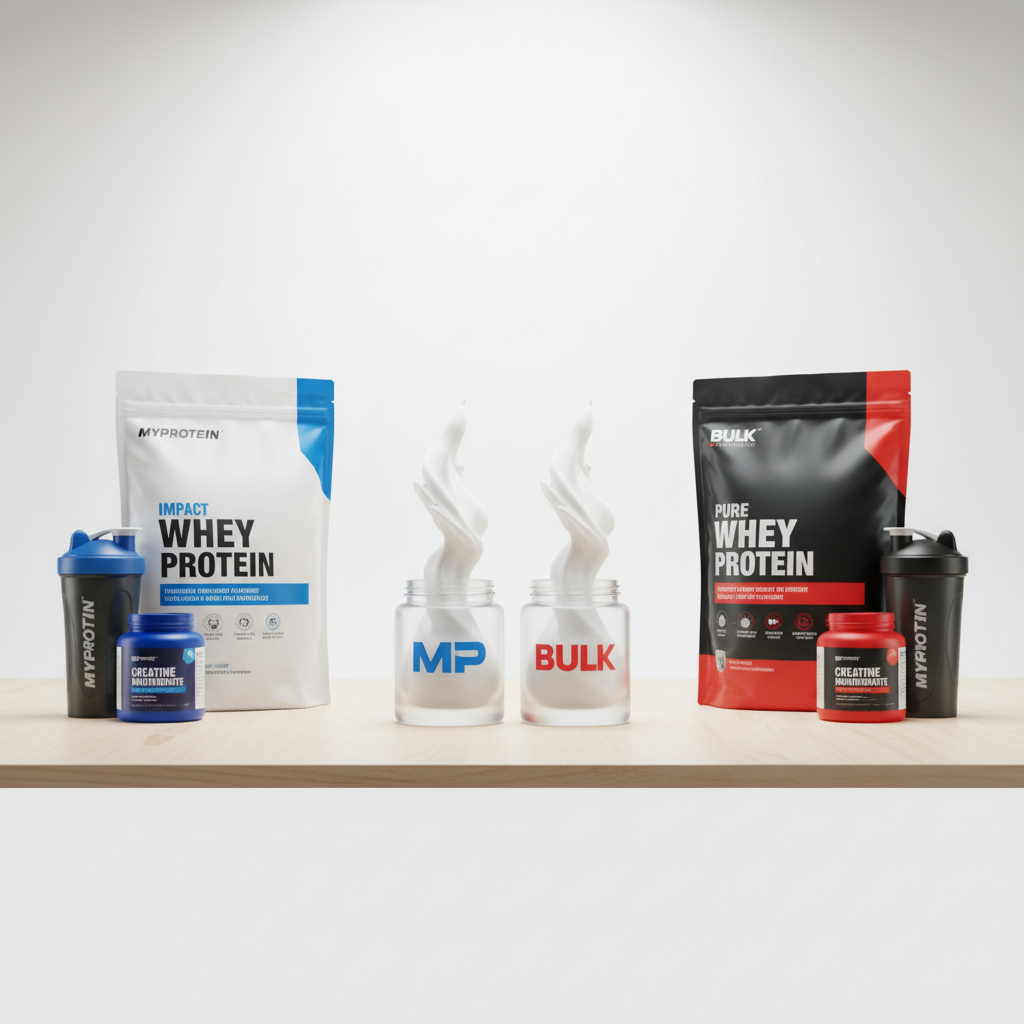
Let's kick things off with MyProtein. Founded in 2004, MyProtein has grown from a relatively small operation into a global powerhouse, becoming one of the largest online sports nutrition brands in the world. They’re part of The Hut Group (THG), which means they've got some serious logistical and marketing muscle behind them. You can barely scroll through social media or visit a fitness website without seeing their distinctive blue branding or hearing about their latest sale. They've really nailed the direct-to-consumer model, making supplements accessible and, crucially, often very affordable. Their flagship product, the one you'll hear about most, is their *Impact Whey Protein*. It's a whey protein concentrate, meaning it's derived from cheese production and then filtered to concentrate the protein, leaving some fats and carbohydrates behind. It's the workhorse of the protein world – versatile, effective, and generally cost-effective. Let's talk specs for Impact Whey Protein. A typical serving size is around 25g. Per 25g serving (unflavoured, but typical for most flavours): * Energy: approximately 103 kcal * Protein: around 20g (can vary slightly by flavour, e.g., chocolate might be 19g, vanilla 21g) * Carbohydrates: typically 1.5g (of which sugars 1.3g) * Fat: around 1.9g (of which saturates 1.3g) Ingredients-wise, for the unflavoured version, it's simply *Whey Protein Concentrate (Milk)*. Flavoured versions will add natural and/or artificial flavourings, sweeteners (like sucralose or stevia), and emulsifiers (like sunflower lecithin). They offer a staggering array of flavours – honestly, it's almost overwhelming. From classic Chocolate Smooth and Vanilla to more adventurous options like White Chocolate Raspberry and Salted Caramel, there's usually something for everyone. In terms of pricing, MyProtein is known for its aggressive discounting. While the RRP for a 1kg bag of Impact Whey Protein might be around GBP 25-30, you'd be a fool to pay that. They almost always have sales, often 30-50% off, sometimes even more during big events like Black Friday. So, you can realistically pick up 1kg for GBP 15-20, or a 2.5kg bag for GBP 30-40, and a massive 5kg bag for GBP 50-70 if you hit a good sale. This makes them incredibly competitive on price, especially when buying in bulk (pun intended!). My personal experience with MyProtein has generally been positive. Mixability is usually spot on – a few shakes in a shaker bottle and you're good to go, no nasty clumps. Taste, however, can be a bit hit or miss depending on the flavour. Some, like Chocolate Smooth, are solid and reliable. Others can be a bit artificial or overly sweet for my palate. Digestion-wise, I've rarely had issues, which is important for a daily supplement. For those sensitive to lactose, a whey concentrate might cause minor discomfort, but for most, it's perfectly fine.Pros of MyProtein
- Extensive Flavour Range: Seriously, they have more flavours than Baskin-Robbins. If you get bored easily, this is a huge plus.
- Aggressive Pricing & Sales: Almost always on sale, making their products incredibly affordable, especially when buying larger quantities.
- Wide Product Portfolio: Beyond whey, they offer everything – vegan proteins, creatine, pre-workouts, vitamins, protein snacks, clothing, you name it.
- Global Reach & Brand Recognition: A trusted name for many, with a strong online presence and community.
- Good Mixability: Generally dissolves well in water or milk with minimal effort.
Cons of MyProtein
- Flavour Consistency: While there are many options, some can taste quite artificial or overly sweet. Quality can vary between flavours.
- Customer Service: Some users report mixed experiences with customer service, particularly during peak sale periods.
- Sweetener Use: Heavy reliance on artificial sweeteners like sucralose, which some individuals prefer to avoid.
- Overwhelming Choices: The sheer volume of products and flavours can be daunting for newcomers.
A Bit About Bulk (formerly Bulk Powders)
Next up, we have Bulk. Many of you will remember them as Bulk Powders, a name that perfectly encapsulated their original ethos: high-quality, no-frills ingredients in, well, bulk. They rebranded to simply "Bulk" a few years ago, signalling a shift towards a more lifestyle-oriented brand, but they've largely maintained their core commitment to quality and transparency. Founded in 2005, just a year after MyProtein, they've been neck and neck in the UK market for almost two decades. They've traditionally appealed to a slightly more serious, perhaps more informed, fitness audience, though their rebrand aims for broader appeal. Their flagship product is the *Pure Whey Protein*. Like MyProtein's Impact Whey, it's a premium whey protein concentrate. Bulk prides itself on transparency, often providing detailed information about the sourcing and testing of their ingredients. Let's look at the nutritional profile for Bulk's Pure Whey Protein. A typical serving size is 30g. Per 30g serving (unflavoured): * Energy: approximately 121 kcal * Protein: around 24.2g * Carbohydrates: typically 2.0g (of which sugars 1.5g) * Fat: around 2.0g (of which saturates 1.2g) Notice the slightly larger serving size and thus slightly higher protein content per serving compared to MyProtein. This is a common subtle difference between brands. Ingredients for unflavoured Pure Whey Protein are simply *Whey Protein Concentrate (Milk)*. Flavoured versions will include flavourings, sweeteners (sucralose, sometimes stevia), and emulsifiers (soy lecithin or sunflower lecithin). Bulk also offers a very respectable range of flavours, perhaps not as vast as MyProtein, but certainly comprehensive. Classic options like Chocolate, Vanilla, and Strawberry are always there, alongside some more unique ones like Speculoos or Peanut Butter. In terms of pricing, Bulk is often perceived as slightly more premium than MyProtein, though they too have regular sales. An RRP for a 1kg bag of Pure Whey Protein might be around GBP 28-35. With sales, you can typically find 1kg for GBP 18-25, a 2.5kg bag for GBP 35-50, and a 5kg bag for GBP 60-85. While their baseline prices might be a touch higher, their sales can bring them very close to MyProtein's price points, making them excellent value. They also offer a subscribe-and-save option, which can provide ongoing discounts. My experience with Bulk's Pure Whey Protein has consistently been excellent. I've found their flavours to be generally more natural-tasting and less artificial than some of MyProtein's offerings. The Chocolate flavour is rich, and their Vanilla is smooth without being cloying. Mixability is superb – almost instant dissolution, leaving no lumps or gritty residue. Digestion has never been an issue for me with Bulk's products, suggesting good quality and processing. They also tend to use natural colourings more often, which is a nice touch for those who care about such details.Pros of Bulk
- High-Quality Ingredients: A strong emphasis on ingredient quality and transparency, often stating sourcing.
- Excellent Taste Profile: Generally, I find their flavours to be more natural and less artificial, with good consistency across the range.
- Superior Mixability: Dissolves almost perfectly every time, even with just a spoon.
- Strong Product Efficacy: Products feel well-formulated and effective.
- Good Transparency: Often provides detailed nutritional information and sourcing data.
Cons of Bulk
- Slightly Higher Price Point: Can be marginally more expensive than MyProtein, even with sales, though the difference is often negligible.
- Smaller Flavour Range: While still extensive, it's not quite as vast as MyProtein's, which might be a drawback for some.
- Less Aggressive Marketing/Sales: While they have sales, they don't seem to bombard you with offers quite as relentlessly as MyProtein.