Supplements
Reviewed by Dr. Nathan ColeUpdated March 2026UK market focus
First Impressions & Packaging
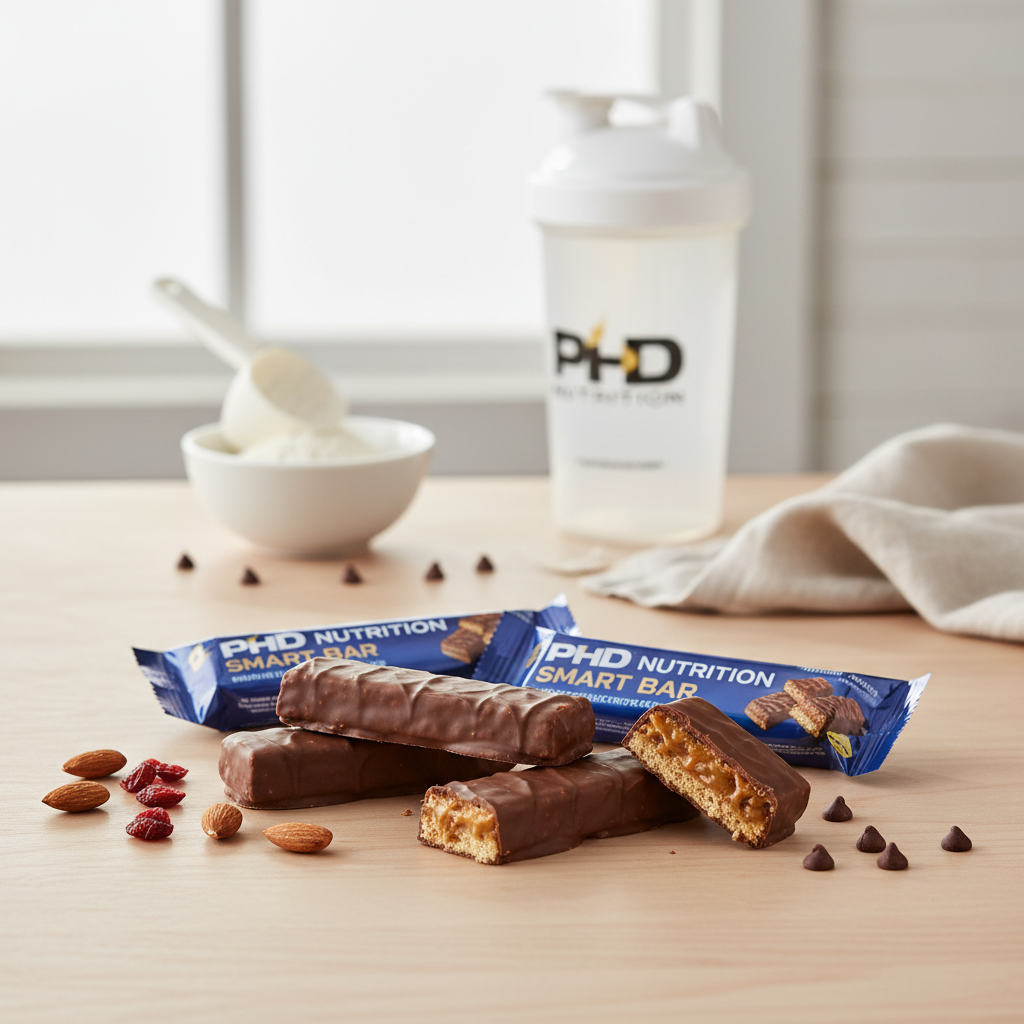
Unwrapping a protein bar is a bit like opening a mini present, isn't it? The PhD Smart Bar comes in a fairly sleek, modern wrapper that's instantly recognisable as PhD Nutrition. They've gone for a clean, bold design, typically with a colour scheme that hints at the flavour inside – think rich browns for chocolate, or lighter shades for vanilla-based offerings. The branding is clear, prominently featuring "Smart Bar" and the "High Protein, Low Sugar" claim right on the front, which immediately tells you what it's all about.
Each bar is individually wrapped, as you'd expect, making it super convenient to chuck into your gym bag, handbag, or even just keep in your desk drawer for those 'hanger' emergencies. The packaging feels sturdy enough to protect the bar from getting squashed – a common problem with some flimsier wrappers – which is a small but appreciated detail when you're pulling it out after it's been rattling around with your keys and phone all day.
On the back, you get all the usual nutritional information, ingredients list, and allergen warnings, all clearly laid out. It's in English (and often other European languages), as you'd expect for a product widely sold in the UK. Overall, the first impression is one of professionalism and practicality. It doesn't scream 'luxury' but it certainly doesn't feel cheap or amateurish either. It's a solid, functional piece of packaging that does its job well.
What is the PhD Nutrition Smart Bar?
At its core, the PhD Nutrition Smart Bar is marketed as a high-protein, low-sugar snack designed to support your fitness goals, whether that's muscle growth, weight management, or simply maintaining a healthy, balanced diet. It's positioned as a smarter alternative to conventional chocolate bars or sugary snacks, offering a significant protein hit without the excessive sugar load that often comes with such treats.
The 'smart' in its name really points to its nutritional composition. PhD Nutrition has formulated this bar to provide a substantial dose of protein – typically around 20 grams per bar – which is crucial for muscle repair and growth, as well as keeping you feeling full and satisfied. This satiety factor is a huge benefit for anyone trying to control their calorie intake or stave off cravings between meals.
Beyond the protein, the other key selling point is its low sugar content. In an age where we're all trying to cut down on refined sugars, finding a delicious snack that doesn't send your blood sugar soaring is a big win. They achieve this by using alternative sweeteners and polyols, which we'll dig into more deeply when we look at the ingredients.
Essentially, the Smart Bar aims to bridge the gap between a nutritional supplement and a tasty treat. It's not just for gym-goers; it's for busy professionals needing a quick, nutritious bite, students looking for a healthier study snack, or anyone who wants to enjoy a sweet indulgence without derailing their dietary efforts. It's designed to be versatile, convenient, and genuinely enjoyable, which, as we know, isn't always the case with protein bars!
Nutritional Breakdown - The Nitty-Gritty
This is where the rubber meets the road, isn't it? Any protein bar can look good on the shelf, but what's actually inside that wrapper? Let's break down the typical nutritional profile of a PhD Smart Bar. Do keep in mind that exact figures can vary slightly between flavours, but the general macro split remains consistent. We'll use the Chocolate Peanut Butter flavour (a popular choice!) as our reference point for a standard 64g bar.
* **Calories:** Around 230-240 kcal per 64g bar.
* This makes it a fairly substantial snack, or even a mini-meal replacement if you're in a pinch. It's certainly more than a mere 'snack' in terms of energy, so it's worth factoring into your daily calorie count.
* **Protein Content:** Roughly 20g per 64g bar.
* This is an excellent amount of protein for a single serving. It's enough to contribute significantly to your daily protein targets, support muscle recovery after a workout, or help keep you feeling full for longer. The protein blend typically includes a mix of milk protein, soy protein isolate, and hydrolysed wheat protein. This blend provides a sustained release of amino acids, which is beneficial for muscle protein synthesis over several hours. Studies consistently show that adequate protein intake, especially after exercise, is crucial for muscle repair and growth. For instance, research published in the *American Journal of Clinical Nutrition* by Phillips et al. (2009) highlights the importance of protein quality and timing for optimising muscle anabolism.
* **Carbohydrates:** Typically 20-25g per 64g bar.
* This might seem a bit high for a 'low-carb' product, but it's crucial to look at the *types* of carbohydrates.
* **Sugars:** A mere 1.5-2g per 64g bar.
* This is where the Smart Bar truly shines in its 'low sugar' claim. To achieve this, PhD Nutrition uses polyols (sugar alcohols) like maltitol, which provide sweetness but have fewer calories and a lower impact on blood sugar than regular sugar. More on these in the ingredients section.
* **Fats:** Around 9-10g per 64g bar.
* Of this, saturated fat is typically 4-5g. While we're not aiming for zero fat, it's worth being mindful of the saturated fat content, especially if you're consuming multiple bars a day or have specific dietary restrictions. The fats often come from ingredients like cocoa butter, vegetable oils (shea oil, coconut oil), and the protein bar coatings.
* **Fibre:** Approximately 5-6g per 64g bar.
* This is a decent amount of dietary fibre, which is beneficial for digestive health and can also contribute to feelings of fullness. Many protein bars skimp on fibre, so this is a welcome addition.
In summary, the PhD Smart Bar delivers a solid protein punch with impressively low sugar, making it a strong contender for anyone looking to manage their macros effectively. The calorie count is substantial enough to be satisfying without being excessively high, slotting nicely into most active individuals' diets.
Ingredients - What's Actually In It?
Beyond the macros, it's always good to peek behind the curtain and see what specific ingredients make up the PhD Smart Bar. Understanding these can help you identify potential allergens, understand the texture, and even anticipate any minor digestive effects.
Let's take a look at the typical ingredient list for a Smart Bar (again, variations exist between flavours, but this gives a general idea):
* **Protein Blend:** As mentioned, this is usually a mix of *Milk Protein*, *Soy Protein Isolate*, and sometimes *Hydrolysed Wheat Protein*. This combination is chosen for its complete amino acid profile and varied digestion rates, contributing to sustained protein release.
* **Sweeteners:** The primary sweeteners are often *Maltitol* and *Sucralose*. Maltitol is a sugar alcohol (polyol) that provides sweetness but with fewer calories than sugar and a lower glycemic index. However, keep in mind that polyols can sometimes cause digestive discomfort (bloating, gas, laxative effect) in larger quantities or for sensitive individuals. Sucralose is an artificial sweetener, much sweeter than sugar, used in small amounts to boost sweetness without adding calories.
* **Coating:** A "milk chocolate flavoured coating" or "white chocolate flavoured coating" is typical. These usually contain *sweeteners (maltitol)*, *vegetable fat (palm kernel)*, *milk powder*, *cocoa powder (for chocolate flavours)*, *emulsifier (sunflower lecithin)*, and *flavouring*. The use of vegetable fats like palm kernel oil is common in these coatings.
* **Humectants:** *Glycerol* is a common ingredient here. It helps to keep the bar moist and chewy, preventing it from drying out and becoming hard – a common pitfall for many protein bars. It also contributes to the 'net carbs' if you're strictly counting.
* **Bulking Agent:** *Polydextrose* is often used. This is a synthetic polymer of glucose that acts as a soluble fibre, contributing to the bar's fibre content and texture.
* **Flavourings:** Natural and artificial flavourings are used to create the specific taste profiles.
* **Other Ingredients:** Depending on the flavour, you might find *roasted peanuts* (Chocolate Peanut Butter), *cocoa mass*, *cocoa butter*, *rice flour*, *wheat flour*, *oat flour*, and various *emulsifiers* (like sunflower lecithin or soy lecithin) to help bind everything together and create a smooth texture.
**Allergens:** PhD Smart Bars typically contain *milk*, *soy*, and *wheat* (gluten). Many flavours also contain *peanuts* or *tree nuts*. They are produced in a facility that handles other allergens, so cross-contamination is always a possibility. If you have severe allergies, always double-check the specific bar's label.
The ingredient list isn't the shortest, which is common for highly formulated protein bars aiming for a specific texture and macro profile. While some prefer a more 'natural' or 'whole food' approach, the Smart Bar's ingredients are standard for its category and are chosen to achieve that high-protein, low-sugar, palatable balance. The reliance on polyols is a trade-off for low sugar, and it's something to be aware of if you have a sensitive stomach.
Taste Test - The Million-Dollar Question
Let's be honest, all the impressive macros in the world don't mean a thing if the bar tastes like cardboard. This is where many protein bars fall flat. Thankfully, PhD Nutrition has put a lot of effort into making the Smart Bar genuinely enjoyable. I've sampled a good range of their flavours, and here's my take:
Texture
First, let's talk texture, because it's a huge factor. The Smart Bar generally has a fantastic texture. It's usually soft and chewy, with a pleasant chewiness that isn't overly dense or rubbery. There's often a crunchy layer – sometimes crisps, sometimes nuts – beneath a soft protein nougat-like centre, all enrobed in a decent chocolate-flavoured coating. It avoids the dry, crumbly, or overly sticky pitfalls that plague many other bars. It genuinely feels like you're eating a treat, not a chore.
Flavour Breakdown (Selected Popular Flavours):
* **Chocolate Peanut Butter:** This is a classic for a reason, and PhD does it well. You get that rich, satisfying blend of chocolate and slightly salty peanut butter. The texture often includes actual peanut pieces, adding to the authenticity. It's sweet, but not cloyingly so, and delivers on its promise. Definitely one of their strongest.
* **Cookies & Cream:** Another winner. This flavour often has a creamy white chocolate-style coating with actual cookie pieces (or crisps that mimic them) providing a satisfying crunch. The inside is typically a vanilla-based nougat. It's sweet, indulgent, and a great alternative if you're not a fan of dark chocolate or peanuts. It genuinely reminds you of a certain famous sandwich cookie.
* **Birthday Cake:** This one is often a bit more divisive, but I'm a fan. It usually features a vanilla-flavoured centre with colourful sprinkles embedded, all covered in a sweet white chocolate coating. It's very sweet and distinctly 'cake batter' like. If you enjoy really sweet, dessert-like flavours, you'll probably love this. It's a fun, celebratory option.
* **White Chocolate Blonde:** This is a solid choice for white chocolate lovers. It's smooth, creamy, and delivers a clear white chocolate flavour without being overwhelmingly sweet. The texture is usually consistent with the other bars – soft and chewy with a good crunch. It's a great 'safe' option if you're unsure which to try first.
* **Dark Chocolate & Raspberry:** For those who prefer a slightly less sweet, more sophisticated flavour. The tartness of the raspberry cuts through the rich dark chocolate, creating a lovely balance. It often has a slightly chewier texture with freeze-dried raspberry pieces. It feels a bit more 'grown-up' than some of the other flavours.
Generally, the sweetness level across the range is quite high, which is to be expected given they're designed to replace traditional confectionery. However, it's rarely sickeningly sweet, and the richness of the chocolate or other flavourings usually balances it out. The aftertaste is clean, without that artificial sweetener metallic tang that some bars suffer from. Overall, PhD Nutrition has done an impressive job of making these bars genuinely tasty and enjoyable, which is a huge part of their appeal. They successfully mimic the experience of eating a regular chocolate bar, but with a much better nutritional profile.
Price & Value for Money
Let's talk brass tacks: how much do these Smart Bars set you back, and are they worth it? As with most supplements and protein-based snacks in the UK, prices can fluctuate depending on where you buy them, special offers, and whether you're buying single bars or in bulk.
* **Single Bar Price:** You can typically expect to pay anywhere from **£2.00 to £2.75** for a single PhD Smart Bar in most supermarkets (like Tesco, Sainsbury's), convenience stores, or dedicated supplement retailers (Holland & Barrett, Boots).
* **Box Price:** Buying a box of 12 bars is almost always more cost-effective. A box usually ranges from **£20.00 to £28.00**. This works out to approximately **£1.67 to £2.33** per bar. Websites like the official PhD Nutrition site, Amazon UK, Bodybuilding Warehouse, and other online supplement stores often have the best deals, especially if you catch them during a sale or subscribe for regular deliveries.
**Value for Money Comparison:**
When you stack the Smart Bar against its competitors, it sits squarely in the mid-to-high end of the market.
* **Cheaper Alternatives:** You can find cheaper protein bars (e.g., some supermarket own-brand options or lesser-known brands) for around £1.00-£1.50 per bar. However, these often compromise on taste, texture, or have a less favourable macro split (higher sugar, lower protein).
* **Premium Alternatives:** Bars like Grenade Carb Killa or Barebells often retail in a similar price bracket, sometimes slightly higher, offering comparable macro profiles and taste experiences.
Considering the high protein content (20g), very low sugar (under 2g), good fibre, and, crucially, the excellent taste and texture, I'd argue that the PhD Smart Bar offers very good value for money. While £2.50 for a single bar might seem steep for a 'snack', when you view it as a convenient, nutritious, and satisfying meal replacement or post-workout fuel, the price becomes much more justifiable. If you're serious about your nutrition and want a bar that you'll actually *enjoy* eating, investing in a box makes financial sense. It's a premium product that generally delivers on its promises, making the slightly higher price point feel earned.