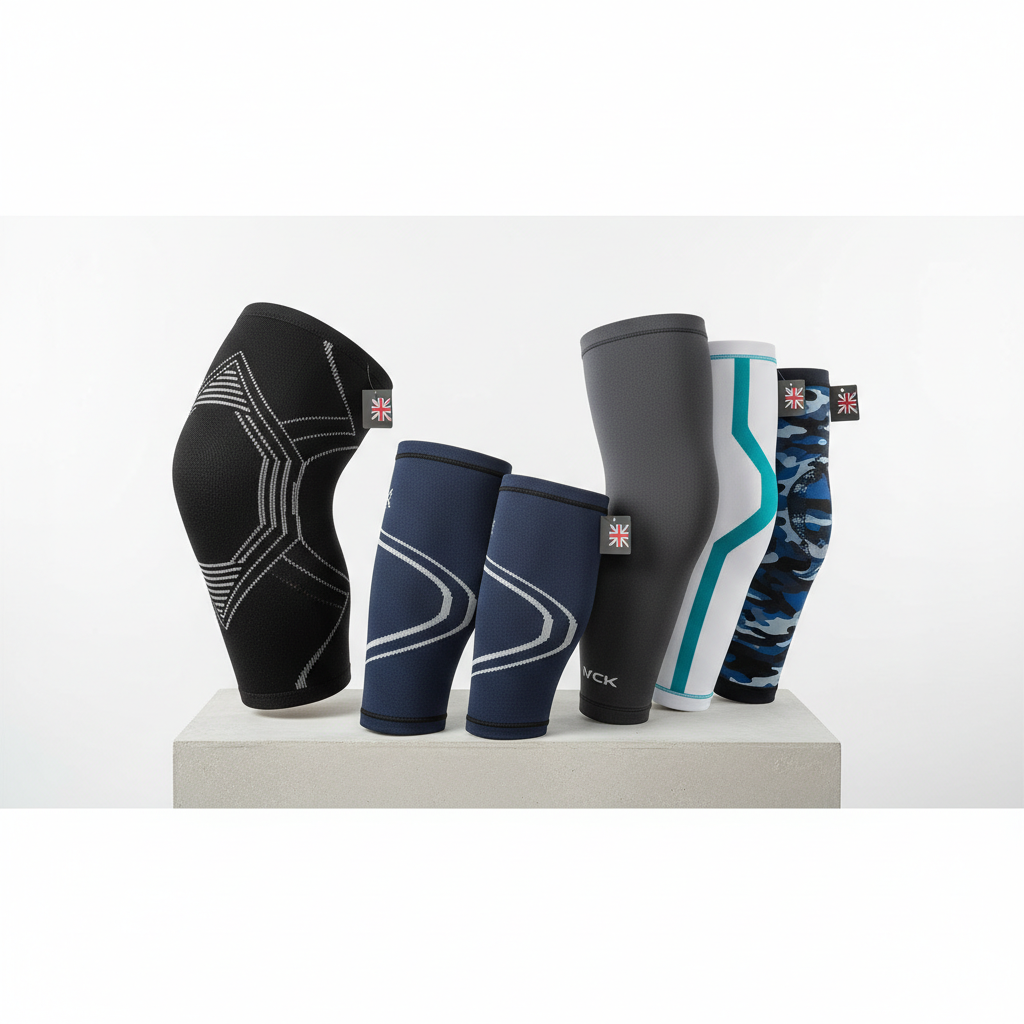
Best Compression Sleeves UK: Top Picks for Knees, Calves and Arms
Right, let's have a look about something that's become a bit of a staple in the kit bags of athletes, weekend warriors, and even those just looking for a bit of daily comfort: compression sleeves. If you've ever paid attention at your local park run, gym, or even just watched a bit of professional sport, you'll have noticed folks sporting these snug-fitting bits of gear on their arms, calves, or knees. But are they just a fashion statement, or is there some proper science behind their growing popularity? Compression sleeves can be useful for recovery, training comfort, and support during periods of heavier activity. This guide looks at what to check before buying and which options stand out for knees, calves, and arms in the UK market.How Does Compression Work? The Science Bit
Before we get to the product recommendations, it's worth understanding *why* these stretchy bits of fabric are so effective. It's not just about feeling snug; there's some clever physiology at play. The core principle behind compression wear is pretty simple: applying graduated pressure to a limb. This means the pressure is typically highest furthest from the heart (e.g., at the ankle for a calf sleeve) and gradually decreases as it moves towards the torso. This gentle squeeze has several key benefits:- Improved Blood Flow: This is perhaps the most significant benefit. The graduated compression helps to narrow the veins and arteries, which in turn increases the velocity of blood flow. This enhanced circulation means more oxygen-rich blood reaching your muscles and, crucially, more efficient removal of metabolic waste products like lactic acid. Think of it like squeezing a hosepipe – the water comes out faster. Studies, such as one by Kraemer et al. (2001), have shown compression garments can aid in reducing blood lactate concentrations after exercise, which is a big win for recovery.
- Reduced Muscle Oscillation: During high-impact activities like running or jumping, your muscles vibrate and oscillate. This uncontrolled movement can contribute to muscle fatigue and damage. Compression sleeves act like a supportive hug, holding your muscles firmly in place, thereby reducing these vibrations. Less oscillation means less micro-trauma to the muscle fibres, leading to less soreness and quicker recovery.
- Enhanced Proprioception: Proprioception is your body's sense of its own position and movement. The external pressure from a sleeve provides increased sensory feedback to your brain, making you more aware of your limb's position. This can lead to improved stability, coordination, and potentially reduced risk of injury, especially around joints like the knee.
- Decreased Delayed Onset Muscle Soreness (DOMS): We've all been there – that crippling muscle soreness a day or two after an intense workout. Compression sleeves have been shown to significantly reduce DOMS. By improving blood flow and reducing muscle oscillation, they help to mitigate the physiological processes that cause this post-exercise pain. Research published in the Journal of Sports Sciences by Ali et al. (2007) supports the role of compression garments in reducing perceived muscle soreness.
- Warmth and Support: While not strictly a physiological mechanism, the warmth provided by a sleeve can help keep muscles supple, especially in colder climates. For joints like the knee, the consistent pressure offers a sense of stability and support, which can be reassuring during activity or recovery from a minor niggle.
What to Look For in a Good Compression Sleeve
With so many options out there, it's easy to feel a bit overwhelmed. Here's a rundown of the key factors to consider when you're looking to invest in a quality compression sleeve.Material Composition
The fabric blend is crucial for comfort, durability, and effectiveness. Most sleeves are made from a mix of synthetic fibres:- Nylon: Often the primary component, nylon is durable, lightweight, and offers good elasticity.
- Spandex (or Lycra/Elastane): This is what provides the stretch and recovery, ensuring the sleeve maintains its compression over time. Look for a good percentage of spandex for optimal fit and pressure.
- Polyester: Sometimes used for added durability, moisture-wicking properties, and UV protection.
- Merino Wool Blends: Less common but excellent for temperature regulation, odour resistance, and a softer feel, though often at a higher price point.
You want a material that's breathable, moisture-wicking (to prevent chafing and keep you comfortable), and durable enough to withstand repeated washing and wear.
Compression Level (mmHg)
This is where things can get a bit technical, but it's important. Compression is measured in millimetres of mercury (mmHg). While many consumer-grade sports sleeves don't explicitly state their mmHg, medical-grade compression garments do.- Light Compression (8-15 mmHg): Everyday wear, travel, minor fatigue.
- Moderate Compression (15-20 mmHg): Common for sports recovery, mild swelling, general support. Most athletic sleeves fall into this category.
- Firm Compression (20-30 mmHg): Often prescribed by doctors for conditions like varicose veins, DVT prevention, or significant swelling. You'd typically need a prescription for these.
For athletic and recovery purposes, you're generally looking for moderate compression. The key is that it should feel snug and supportive, but never painfully tight or restrictive of movement.
Sizing is Absolutely Crucial!
This cannot be stressed enough. A compression sleeve that's too loose won't provide any benefit, and one that's too tight can be uncomfortable, cut off circulation, and even be dangerous. Always, always, always check the manufacturer's sizing chart.Typically, you'll need to measure the circumference of the widest part of the limb the sleeve is for:
- Knee: Measure around your knee cap, and sometimes also a few inches above and below.
- Calf: Measure around the widest part of your calf.
- Arm: Measure around the widest part of your bicep, and sometimes around your forearm/wrist.
Also consider the length. If a calf sleeve is too short, it might roll down or bunch up, which is incredibly irritating.
Design and Features
- Anatomical Fit: Look for sleeves that are specifically designed for the contours of your body part. Some will be left/right specific.
- Anti-Slip Bands: Silicone grippers or a textured knit around the top edge are essential to prevent sleeves from rolling down, especially for arm and knee sleeves.
- Easy Construction: Reduces chafing and irritation, particularly important for prolonged wear.
- Ventilation Zones: Mesh panels or specific weave patterns can enhance breathability in high-sweat areas.
- Reflective Elements: A nice bonus for those who train outdoors in low light.
Best Compression Sleeves UK: Our Top Picks
I've tested a fair few sleeves over the years, from budget-friendly options to premium medical-grade kit. Here are my recommendations across different categories, keeping in mind UK availability and pricing.Top Picks for Knee Compression Sleeves
Knee sleeves are brilliant for providing support and reducing swelling around the joint, whether you're recovering from an injury, managing arthritis, or just need a bit of extra confidence during squats or runs.Physix Gear Sport Knee Compression Sleeves
These are a hugely popular choice, and for good reason. Physix Gear Sport has carved out a niche for offering excellent value without compromising on quality. Their knee sleeves are designed for a wide range of activities, from running and CrossFit to simply providing daily support.- Material: A blend of Nylon and Spandex, offering a good balance of durability, stretch, and breathability.
- Compression Level: Generally considered moderate (around 15-20 mmHg), providing firm but comfortable support.
- Typical UK Price: £12 - £20 (for a single sleeve, often sold as a pair).
Pros:
- Excellent Value: Often available as a pair for a very competitive price.
- Comfortable Fit: The simple knit design reduces chafing, and the four-way stretch fabric adapts well to the knee's contours.
- Good Support: Provides noticeable support and warmth, which can be reassuring for aching knees or during exercise.
- Durable: Holds up well to repeated washing and wear.
Cons:
- No Anti-Slip Band: Can sometimes roll down or bunch up during very active movements, especially if sizing isn't spot on.
- Less Medical-Grade: While effective for general support, it's not designed for severe injuries or post-surgical recovery where higher compression might be needed.
Best for: Everyday support, light to moderate exercise, general knee pain, and those on a budget.
Bauerfeind GenuTrain Knee Support
Now, if you're serious about your knee health or recovering from a more significant issue, Bauerfeind is a name that consistently comes up. They're a German brand renowned for their medical-grade compression and anatomical design. The GenuTrain is their flagship knee support, and it's a piece of engineering marvel.- Material: A highly elastic, breathable knit fabric with integrated viscoelastic pads.
- Compression Level: Medical-grade compression (typically around 20-32 mmHg, depending on specific model and fit).
- Typical UK Price: £60 - £90 (for a single sleeve).
Pros:
- Exceptional Support & Stability: The unique Omega pad cradles the patella and provides targeted massage during movement, which helps reduce swelling and activate muscles.
- Medical-Grade Quality: Designed with input from orthopaedic specialists, offering clinical effectiveness for conditions like arthritis, meniscal tears, and post-operative recovery.
- Superior Comfort: Despite the high compression, the breathable knit and softer zones in the sensitive areas (back of the knee) make it incredibly comfortable for extended wear.
- Anti-Slip: Integrated stays and a high-friction knit ensure it stays perfectly in place.
Cons:
- High Price Point: This is a premium product, and the cost reflects that.
- Can Feel Bulky: While sleek for its level of support, it's thicker than a basic compression sleeve.
Best for: Serious athletes, individuals recovering from knee injuries or surgery, those with chronic knee conditions (like osteoarthritis), and anyone who values top-tier medical-grade support.
We also covered this in our How to Choose Electrolyte Drinks: What Actually Matters.