Why Electrolytes? More Than Just Quenching Thirst
Before we start comparing brands and dissecting ingredient lists, let's establish a foundational understanding: what *are* electrolytes? In simple terms, they're minerals in your body that carry an electric charge. Think of them as the tiny electrical workers keeping everything ticking over. The main players you'll hear about are sodium, potassium, magnesium, calcium, and chloride. These aren't just some fancy buzzwords; they're absolutely vital for pretty much every major bodily function. They regulate your nerve and muscle function, keep you hydrated by balancing water levels, maintain your blood's pH balance, and even help rebuild damaged tissue. Without a proper balance of electrolytes, things can go a bit haywire - from muscle cramps and fatigue to more serious health issues. So, when do we lose these vital minerals? The most common culprit is sweating, especially during exercise, manual labour, or simply on a scorching hot day. But you can also deplete your electrolyte stores through illness (like vomiting or diarrhoea), excessive alcohol consumption, or even certain medications. A common misconception is that electrolyte drinks are *only* for elite athletes pushing their bodies to the limit. While they're certainly crucial in those scenarios, many everyday situations can warrant a helping hand with electrolyte replenishment. However, and this is a big however, for most people, most of the time, plain old water is perfectly adequate for hydration. It's about knowing when you *actually* need that extra boost.The Core Electrolytes: What You Need and Why
Let's get down to the nitty-gritty of the key electrolytes. Understanding what each one does and how much you generally need is crucial to making an informed decision.Sodium: The Main Player
If there's one electrolyte you associate with rehydration, it's probably sodium. And for good reason! Sodium is the primary electrolyte found outside your cells and plays a critical role in maintaining fluid balance, blood pressure, and nerve function. It's also instrumental in nutrient absorption, particularly glucose, in the gut. When you sweat, you lose a significant amount of sodium. The amount varies wildly from person to person - some are "salty sweaters" and will have visible white streaks on their skin or clothes after exercise, indicating high sodium loss. For the general population, the NHS recommends adults consume no more than 6g of salt (which contains 2.4g of sodium) per day. However, during intense exercise, particularly in hot conditions or for prolonged periods (e.g., over 60-90 minutes), sodium requirements can increase significantly. Sports science generally suggests sodium concentrations in electrolyte drinks around 200-500mg per 500ml serving for exercise. For serious rehydration due to illness, the World Health Organisation (WHO) Oral Rehydration Solution (ORS) formula is much higher, around 75mmol/L sodium (equivalent to about 1.7g sodium per litre). Too little sodium (hyponatremia) can be very dangerous, leading to swelling, confusion, and even seizures. This is a risk for endurance athletes who over-hydrate with plain water without replacing sodium. Conversely, too much sodium can contribute to high blood pressure, so it's a balance.Potassium: The Counterbalance
While sodium largely works outside your cells, potassium is its crucial partner on the inside. It's essential for maintaining fluid balance within cells, nerve signals, and muscle contractions, including the all-important heart muscle. Low potassium levels (hypokalaemia) can lead to muscle weakness, cramps, and irregular heart rhythms. We tend to get a good amount of potassium from our diet, found in foods like bananas, potatoes, spinach, and avocados. However, like sodium, it's lost through sweat and can be significantly depleted during illness. Electrolyte drinks often contain potassium, typically in amounts ranging from 50-200mg per 500ml serving, to help maintain this critical intracellular balance.Magnesium: The Unsung Hero
Magnesium is an absolute powerhouse. It's involved in over 300 enzymatic reactions in the body, playing a key role in muscle and nerve function, blood glucose control, blood pressure regulation, and energy production. It's also crucial for bone health and protein synthesis. Despite its importance, magnesium deficiency is quite common, and it's often overlooked in many standard electrolyte drinks, which tend to focus more on sodium and potassium. When you're exercising hard, magnesium is further depleted through sweat. Low magnesium can manifest as muscle cramps, fatigue, and even anxiety or insomnia. For general daily intake, adults in the UK are recommended around 300mg for men and 270mg for women. In electrolyte drinks, you might see anything from 10-100mg per serving. If you're prone to muscle cramps or want a more comprehensive electrolyte profile, look for drinks that include a decent amount of magnesium.Calcium: Bone and Beyond
We all know calcium is vital for strong bones and teeth, but its role extends much further. It's crucial for muscle contraction, nerve transmission, hormone secretion, and blood clotting. While calcium is certainly lost through sweat, the amounts are generally much lower than sodium or potassium. Therefore, it's less of a primary focus in most acute rehydration or sports drinks. You'll often find it in smaller quantities, say 20-80mg per serving, mainly as a 'completer' rather than a core rehydration component. Unless you have a specific dietary reason or a medical condition affecting calcium levels, its presence in an electrolyte drink isn't usually the deciding factor.Chloride: Often Paired with Sodium
Chloride is another electrolyte that complements sodium well, helping with fluid balance and maintaining stomach acid production for proper digestion. Most electrolyte formulations include it automatically when they contain sodium, so you rarely need to evaluate it separately.Special Considerations for Different Populations
Athletes training for endurance events may need significantly higher sodium intake, sometimes exceeding 900mg per hour during intense heat. Those with hypertension should opt for lower-sodium options and consult healthcare providers about appropriate electrolyte supplementation. Pregnant and breastfeeding women have increased electrolyte needs and should ensure adequate magnesium and potassium intake. Older adults often benefit from more mindful electrolyte monitoring, as kidney function and thirst perception can decline with age.
Electrolytes and Hydration: The Golden Rules
The ideal approach combines both pre-hydration and rehydration strategies. Drink 300-500ml of fluid 2-3 hours before exercise, then top up with 150-250ml every 15-20 minutes during activity. After exercise, aim to replace 150% of fluid lost—for every kilogram of body weight lost, drink 1.5 litres of fluid over several hours.
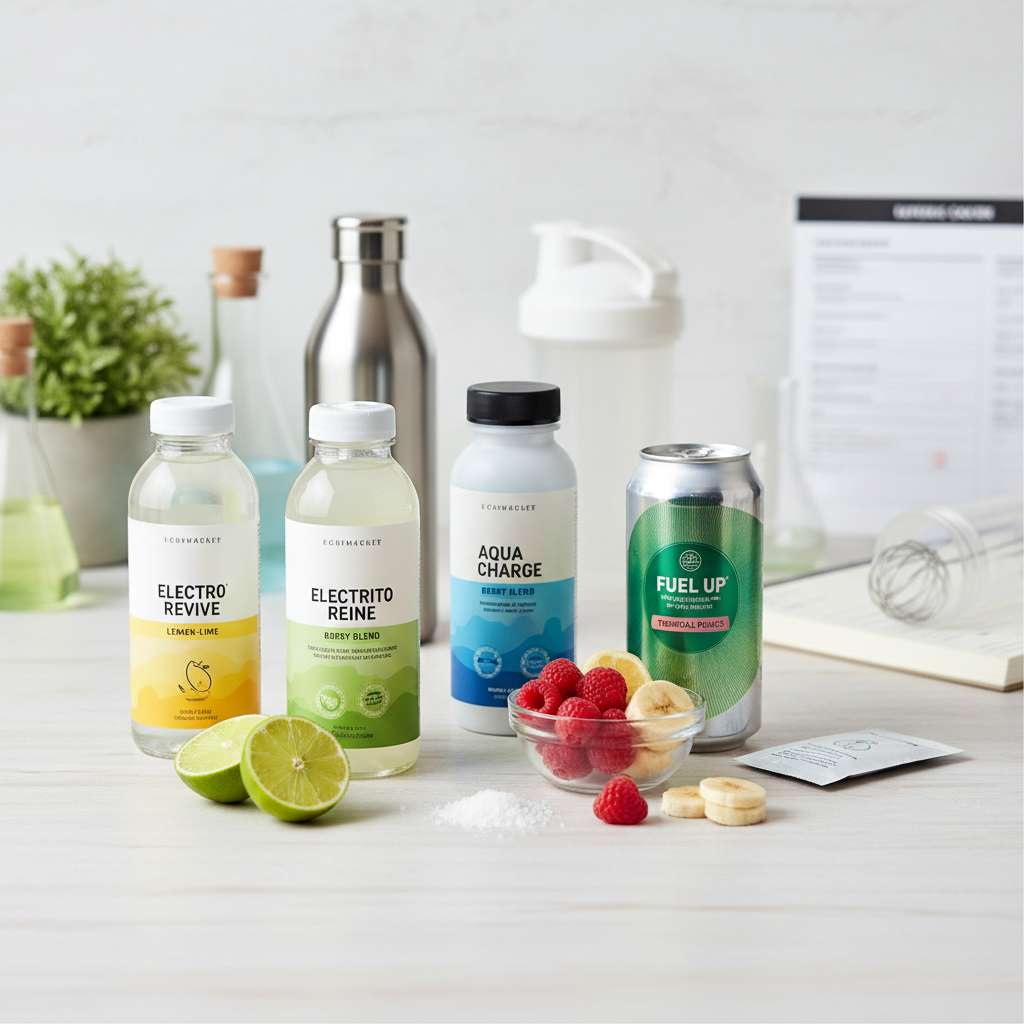
Storage and shelf life matter more than most people realise. Powder-based electrolytes generally last longer than pre-mixed drinks, and they take up far less space in your gym bag or kitchen cupboard. If you travel frequently or prefer to mix your own concentration, sachets are the most practical option. Pre-mixed bottles work well for convenience but check the expiry dates carefully, especially with natural formulations that skip preservatives.
It is also worth considering when you actually need electrolytes versus when plain water will do the job. For workouts under 60 minutes at moderate intensity, water is usually sufficient. Electrolyte drinks become genuinely useful during prolonged exercise, hot weather, or if you follow a low-carb diet that increases mineral excretion. Drinking them unnecessarily adds cost and sometimes unwanted calories to your daily intake.
Finally, taste should not be underestimated as a selection factor. The best electrolyte drink in the world is useless if you cannot stand drinking it. Most brands now offer sample packs, which let you try several flavours before committing to a full tub.