Supplements
Reviewed by Dr. Nathan ColeUpdated March 2026UK market focus
Best Ice Baths UK: 5 Portable Cold Plunge Tubs Reviewed
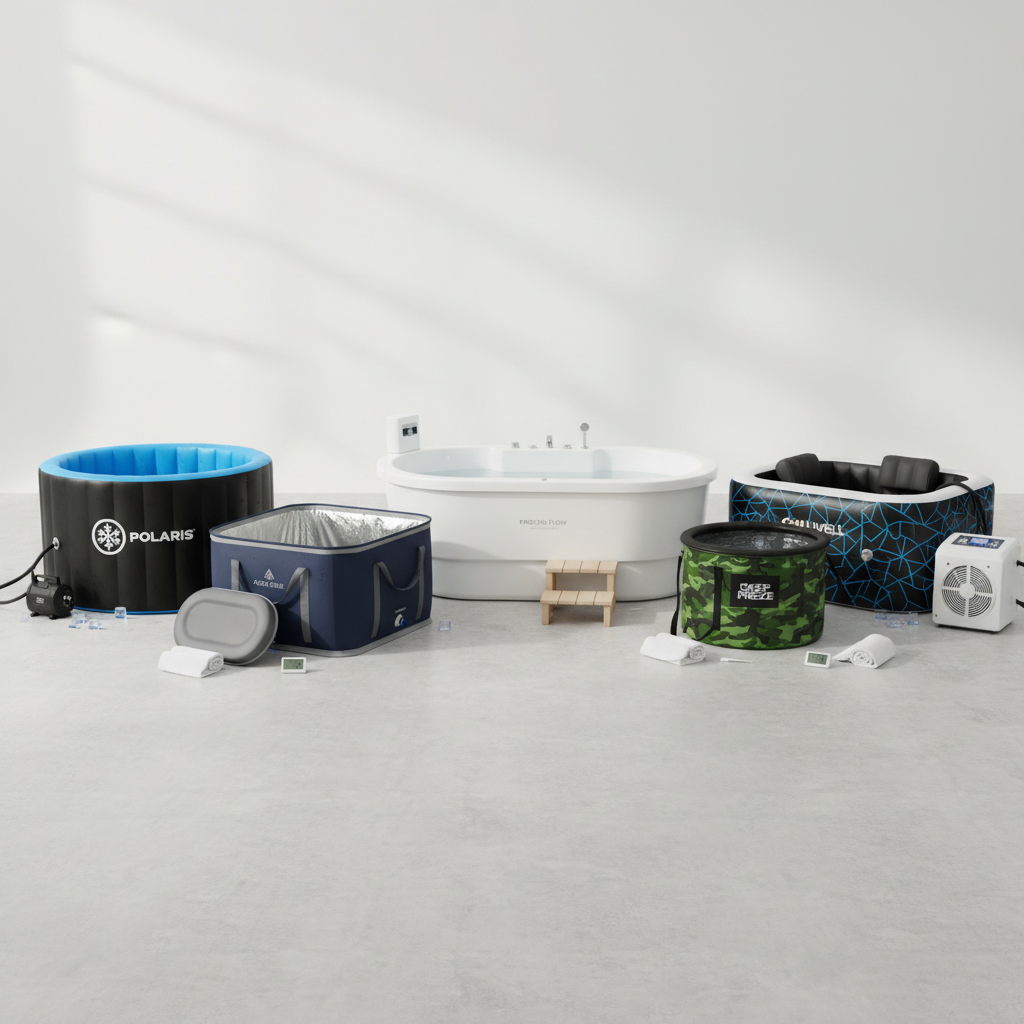
Right then, let's talk about getting chilly. For years, athletes, fitness enthusiasts, and even a fair few wellness gurus have been raving about the benefits of cold water immersion. You've probably seen the pros dunking themselves in barrels of ice after a tough match, or perhaps you've heard whispers about Wim Hof and his icy escapades. Well, the good news is you don't need to live in the Arctic or have a professional sports team's budget to reap these rewards. Thanks to a boom in portable ice baths, bringing the chill factor to your back garden, patio, or even your humble bathroom is now easier and more affordable than ever.
Here in the UK, where the weather's often more 'bracing' than 'balmy', a cold plunge might sound like the last thing you want. But trust me, once you get past that initial shock – and yes, there will be a shock – the benefits can be genuinely transformative. We're talking about quicker recovery after a strenuous workout, a noticeable boost in mood and mental clarity, and even a potential kick to your immune system. Who wouldn't want a bit of that, eh?
This article isn't just a casual chat about cold water; we're diving deep (pun absolutely intended) into five of the best portable cold plunge tubs available on the UK market today. We'll be looking at everything from the budget-friendly starter tubs to the more solid, premium options, weighing up their pros and cons, and giving you all the practical tips you need to take the plunge safely and effectively. So, settle in (ironic, I know), settle in, and let's get you ready to embrace the chill.
The Science Behind the Chill: Why Bother with an Ice Bath?
Before we get stuck into the tubs themselves, let's quickly touch on why cold water immersion (CWI) has become such a hot topic in the world of recovery and wellness. It's not just some new-fangled fad; there's some solid science backing it up.
The primary reason many people, especially athletes, turn to ice baths is for muscle recovery. After a tough workout, be it a long run, heavy lifting, or an intense sports session, your muscles experience microscopic tears and inflammation. This leads to that familiar stiffness and soreness we call Delayed Onset Muscle Soreness, or DOMS. When you plunge into cold water, your blood vessels constrict (vasoconstriction). This reduces blood flow to the muscles, which in turn helps to flush out metabolic waste products like lactic acid and reduce swelling and inflammation. Once you get out of the cold water, your blood vessels dilate, and a fresh supply of oxygenated blood rushes back to the muscles, aiding the recovery process.
A review published in the *Journal of Strength and Conditioning Research* in 2012 by Stanley et al. highlighted that CWI can significantly reduce the perception of muscle soreness after exercise, though the exact physiological mechanisms are still being fully explored. Another study by Vaile et al. (2008) in the *International Journal of Sports Physiology and Performance* found that CWI effectively reduces muscle soreness and fatigue, particularly when performed immediately after exercise.
But it's not just about the muscles. CWI has profound effects on your mental state too. That initial shock triggers a 'fight or flight' response, but as you learn to control your breathing and stay calm, you're essentially training your nervous system to handle stress better. Many users report a significant boost in mood, increased alertness, and improved focus after a cold plunge. This is often attributed to the release of endorphins and noradrenaline, which are natural mood elevators. Some research also suggests CWI can stimulate the vagus nerve, which plays a crucial role in regulating stress and promoting relaxation.
Beyond recovery and mood, there's growing interest in CWI's potential impact on the immune system. Regular exposure to cold is thought to stimulate the production of white blood cells, which are vital for fighting off illness. A study published in *PLoS One* by Buijze et al. (2016) found that people who regularly took cold showers reported a 29% reduction in sickness absence from work. While more solid research is needed, the anecdotal evidence and preliminary studies are certainly intriguing.
So, whether you're a seasoned athlete looking to shave seconds off your recovery time, someone battling chronic stress, or just curious about boosting your overall well-being, the science suggests there's a good reason to give cold water immersion a go. And with portable tubs, it's never been easier.
What to Look for in a Portable Ice Bath
Before you splash your cash (again, pun intended), it's worth knowing what makes a good portable ice bath. Not all tubs are created equal, and what works for one person might not be right for another. Here are the key factors to consider:
*
Size and Capacity
This is crucial. You need a tub that's big enough for you to comfortably immerse yourself, ideally up to your neck or shoulders, while seated. Check the dimensions carefully – diameter and height. If you're particularly tall or broad, a standard round tub might feel a bit cramped. Also, consider the water capacity; more water means more ice!
*
Durability and Materials
Portable tubs are often made from multi-layer PVC, similar to inflatable paddleboards or swimming pools. Look for tubs with reinforced layers, often described as 'triple-layer' or 'military-grade' PVC. Some higher-end models use 'drop-stitch' technology, which makes them incredibly rigid when inflated, offering a more stable and solid experience. The base should also be sturdy and ideally insulated.
*
Insulation
This is where many budget tubs fall short. Good insulation means your ice lasts longer, and the water stays colder for longer, saving you money on ice and effort. Look for tubs with multiple layers of thermal insulation in the walls and base, and crucially, an insulated lid. A well-designed lid can make a huge difference in maintaining temperature.
*
Ease of Setup and Drainage
Most portable tubs are inflatable. How easy is it to inflate and deflate? Does it come with a pump? For drainage, look for a well-placed, large drain valve, preferably with a hose attachment, to make emptying less of a faff. You don't want to be lugging a full tub around!
*
Portability and Storage
The clue's in the name – 'portable'. How heavy is it when empty? Does it pack down into a compact carry bag? If you plan to take it on trips or store it away frequently, this is a big consideration.
*
Price
Portable ice baths range from under a hundred quid to several hundred. Set your budget and understand what you're getting for your money. Generally, more expensive tubs offer better insulation, durability, and often, more convenient features.
*
Accessories
What's included? A hand pump, an insulated lid, a repair kit, a carry bag, and perhaps even a thermometer are all useful additions. Some tubs are also 'chiller-ready', meaning they have ports for connecting an external water chiller unit – a big plus if you want precise temperature control without constant ice runs.
The Reviews: 5 Portable Cold Plunge Tubs
Alright, let's get down to brass tacks and review some of the best portable ice baths currently available in the UK. We've tried to pick a range that covers different budgets and needs, so hopefully, there's something here that ticks your boxes.
The ChillTub Explorer: Your Budget-Friendly Starter
If you are new to cold plunging and want a lower-cost entry point, the ChillTub Explorer is one of the simpler options to consider. It is easy to set up and sits at a more accessible price point than premium alternatives.
This tub typically features a multi-layer PVC construction, often with an insulated foam base for a bit of cushioning and temperature retention. It's usually a standard cylindrical shape, around 75cm in diameter and 70cm high, making it suitable for most average-sized adults to sit upright and get a good level of immersion. Inflation is usually quick with the included hand pump, and it packs down neatly into a carry bag.
* **Materials:** Multi-layer PVC, insulated foam base.
* **Dimensions:** Approx. 75cm (diameter) x 70cm (height).
* **Estimated Price:** GBP 70 - GBP 120.
*
Pros:
*
Very Affordable: This is its biggest selling point. It’s an excellent entry-level option for those unsure if cold plunging is for them.
*
Easy Setup: Inflates quickly with a hand pump, usually within 5-10 minutes.
*
Lightweight and Portable: Easy to move around when empty and packs down small for storage or travel.
*
Sufficient Immersion: For average users, it provides enough depth to cover shoulders when seated.
*
Cons:
*
Less Insulation: Compared to more expensive models, the insulation is basic. This means you'll need more ice and the water won't stay cold for as long, especially on warmer days.
*
Durability Concerns: While generally solid enough for careful use, the PVC might feel less substantial than premium options. Care must be taken to avoid punctures.
*
No Chiller Compatibility: Not designed for external chiller units, meaning you're reliant on ice.
*
Manual Drainage: While it has a drain plug, it's often a simple stopper, which can be a bit slow or messy if you don't have a hose attachment.
*
Usage Recommendations:
Given its basic insulation, you'll likely need around 3-5kg of ice to bring the water down to a good recovery temperature (5-10 degrees Celsius) for a typical 75cm tub, especially if starting with tap water. Aim for 1-3 minutes initially, gradually increasing as you get comfortable.
The Arctic Plunge Pro: The Mid-Range All-Rounder
Stepping up a notch from the basic models, the Arctic Plunge Pro (or similar mid-range tubs) offers a better balance of performance, durability, and features without venturing into the premium price bracket. This is often the sweet spot for those who are committed to regular cold plunging but don't need all the bells and whistles of a top-tier system.
These tubs typically boast a thicker, triple-layer PVC construction, often with reinforced seams and a more solid, insulated lid. The walls are usually thicker, providing better thermal retention than the budget options. They are still inflatable, but the material quality and construction feel more substantial. Dimensions are often slightly larger, around 80cm diameter and 75cm height, offering a bit more room.
* **Materials:** Triple-layer reinforced PVC, insulated lid, thicker foam walls.
* **Dimensions:** Approx. 80cm (diameter) x 75cm (height).
* **Estimated Price:** GBP 150 - GBP 280.
*
Pros:
*
Good Value: Offers a significant upgrade in quality and insulation compared to budget models without a huge price jump.
*
Improved Insulation: Thicker walls and an insulated lid mean your ice lasts longer and the water stays colder, reducing ice consumption and effort.
*
More solid: The reinforced PVC feels more durable and less prone to minor scuffs or punctures.
*
Comfortable Size: Slightly larger dimensions provide a more comfortable experience for most users.
*
Better Drainage: Often features a more efficient drain valve, sometimes with a hose attachment for easier emptying.
*
Cons:
*
Still Inflatable: While more solid, it's still an inflatable tub, meaning it can be susceptible to punctures if not cared for.
*
Ice Dependent: While insulation is better, you'll still be relying on ice unless you invest in a separate chiller unit (and this tub might not be explicitly chiller-ready).
*
Heavier: A bit heavier and bulkier than the basic models when packed down, though still very portable.
*
Usage Recommendations:
With better insulation, you might find 2-4kg of ice sufficient to get your desired temperature, depending on ambient conditions. You can comfortably extend your plunge time to 2-5 minutes as you become accustomed to the cold.
The Glacier Go-Anywhere Tub: The Premium Portable Experience
For those who are serious about their cold therapy and want a portable solution that feels as close to a fixed plunge pool as possible, the Glacier Go-Anywhere Tub (or similar high-end models) is the way to go. These tubs often employ advanced construction techniques, offering superior durability, insulation, and often, chiller compatibility.
These premium tubs frequently utilise 'drop-stitch' technology, the same material used in high-performance inflatable paddleboards. This means that when inflated to a high pressure, the tub becomes incredibly rigid and stable, feeling almost solid. They feature multiple layers of high-density thermal insulation, not just in the walls but often in the base and a solid, thick insulated lid. Dimensions are typically generous, around 90cm diameter and 80cm height, providing ample space. Many are designed with dedicated ports for connecting external water chillers, offering precise temperature control.
* **Materials:** Drop-stitch PVC, reinforced multi-layer walls, thick insulated lid, integrated chiller ports.
* **Dimensions:** Approx. 90cm (diameter) x 80cm (height).
* **Estimated Price:** GBP 300 - GBP 600+.
*
Pros:
*
Exceptional Durability: Drop-stitch construction makes these tubs incredibly solid, rigid, and resistant to punctures. They feel incredibly stable.
*
Superior Insulation: Multi-layer, high-density insulation keeps water cold for much longer, significantly reducing ice consumption and maintaining consistent temperatures.
*
Chiller-Ready: Often designed with dedicated inlet/outlet ports for smooth integration with external water chiller units, offering ultimate temperature control.
*
Spacious and Comfortable: Larger dimensions provide a luxurious amount of space for full immersion.
*
Professional Feel: The rigidity and quality of materials give a much more 'premium' and professional cold plunge experience.
*
Cons:
*
High Price Point: This is a significant investment, making it less accessible for casual users.
*
Heavier and Bulkier: While still portable, the heavier materials and thicker construction mean it's heavier and takes up more space when packed down.
*
Longer Inflation Time: Due to the higher pressure required for rigidity, inflation can take a bit longer, even with an electric pump (though often manual pumps are powerful).
*
Chiller Cost: While chiller-ready, the chiller unit itself is a separate, often substantial, additional expense.
*
Usage Recommendations:
Thanks to its excellent insulation, you'll need significantly less ice (perhaps 1-2kg, or even just frozen water bottles) to maintain temperature for multiple plunges over a day, especially with the lid on. If using a chiller, you'll have precise control over temperatures from 0-15 degrees Celsius for extended periods. Plunge duration can be tailored to your goals, from quick shocks to longer meditative sessions.
The Urban Chill Pod: The Compact & Clever Design
Not everyone has a sprawling garden or a vast patio. For those in more urban settings or with limited space, a traditional round tub might not be the most practical. Enter the Urban Chill Pod (or similar rectangular/oval designs) – a clever solution that maximises immersion in a smaller footprint.
These tubs often feature a more elongated, rectangular, or oval shape, allowing a user to recline slightly rather than sit upright. This design can be more comfortable for taller individuals who struggle to get full shoulder immersion in round tubs. They typically use reinforced PVC, similar to the mid-range round tubs, with decent insulation and a fitted cover. Their compact nature means they can fit into tighter spaces, like a small balcony, a shower cubicle, or a utility room.
* **Materials:** Reinforced multi-layer PVC, insulated cover, sturdy internal frame (sometimes).
* **Dimensions:** Approx. 120cm (length) x 60cm (width) x 65cm (height).
* **Estimated Price:** GBP 180 - GBP 350.
*
Pros:
*
Space-Saving Design: Its rectangular or oval shape is ideal for smaller spaces where a round tub might not fit.
*
Comfortable for Taller Users: The reclined position can allow better full-body immersion for those with longer legs.
*
Good Insulation: Generally offers comparable insulation to mid-range round tubs, helping maintain cold temperatures.
*
Versatile Placement: Can often fit into indoor spaces like large shower trays or utility rooms more easily.
*
Stable: Often designed with internal supports or a more rigid structure even when inflatable, providing good stability.
*
Cons:
*
Less 'Plunge' Feel: The reclined position might not give the same intense 'shock' experience as a fully upright, deep plunge.
*
Filling/Draining Can Be Trickier: Depending on the shape and drain placement, it might be slightly more awkward to fill and empty than a simple round tub.
*
Less Common: Fewer options available in this specific shape compared to the standard round tubs.
*
Still Ice Dependent: Most models in this category will rely on ice unless specifically designed for chiller integration.
*
Usage Recommendations:
The water volume might be slightly higher than a round tub of similar footprint, so factor in needing 3-5kg of ice. The reclined position can sometimes feel less intense, which might be a good starting point for beginners, allowing longer initial plunges of 2-5 minutes.
The CoolTub Classic: The No-Frills, Reliable Option
Sometimes, you just want something that does the job without any fuss, frills, or fancy tech. The CoolTub Classic represents the essence of a basic, reliable, and widely available portable ice bath. It's often one of the first designs that became popular, offering a easy approach to cold plunging.
This tub typically features a sturdy, single or double-layer PVC construction, usually in a very simple, solid cylindrical shape. It might not have the thickest insulation or the most advanced features, but it's built to be functional and durable enough for regular use. Think of it as the workhorse of portable ice baths – no glamour, just grit. It's usually a comfortable size, similar to the ChillTub Explorer, but often with slightly thicker material for perceived durability.
* **Materials:** Durable single or double-layer PVC, reinforced seams, basic insulated cover.
* **Dimensions:** Approx. 80cm (diameter) x 75cm (height).
* **Estimated Price:** GBP 90 - GBP 160.
*
Pros:
*
Reliable and Functional: It does exactly what it says on the tin without overcomplicating things.
*
Good Durability for Price: Often uses slightly thicker PVC than the absolute cheapest options, making it a bit more resilient.
*
Easy to Use: Simple inflation and drainage, no complex features to worry about.
*
Widely Available: This type of tub is commonly found across various online retailers, making it easy to purchase.
*
Better than Nothing: A significant step up from improvising with a wheelie bin or paddling pool, offering a dedicated and safer cold plunge experience.
*
Cons:
*
Basic Insulation: Similar to the budget options, it won't hold temperature for very long, requiring frequent ice top-ups.
*
No Advanced Features: Lacks chiller compatibility, advanced insulation, or ergonomic designs found in higher-priced models.
*
Aesthetic: It's purely functional, so don't expect it to be a garden showpiece.
*
Can be Flimsy: While durable for its price point, it's still an inflatable tub and can feel less stable than drop-stitch models.
*
Usage Recommendations:
Expect to use around 3-5kg of ice per session to achieve target temperatures. This tub is perfect for daily, short plunges of 1-4 minutes, establishing a consistent cold exposure routine without a huge upfront cost or maintenance.
Practical Tips for Your Cold Plunge Journey
So you've picked your tub, it's arrived, and now you're wondering, "What next?" Taking the plunge is more than just filling it with ice and jumping in. Here are some practical tips to ensure a safe, effective, and ultimately enjoyable cold water immersion experience.
*
Temperature and Duration
This is key. You don't need to be in sub-zero temperatures for ages to get benefits.
*
Recommended Temperatures: Most studies and experts suggest temperatures between 5 degrees Celsius and 15 degrees Celsius (41-59 degrees Fahrenheit). Anything below 5C can be more intense and requires greater caution.
*
Recommended Duration: Start short! Aim for 1-2 minutes initially. As you adapt, you can gradually increase your time to 3-5 minutes. There's generally no significant additional benefit beyond 10-15 minutes, and prolonged exposure can lead to adverse effects.
*
Listen to Your Body: This isn't a competition. If you feel dizzy, excessively shivering uncontrollably, or your skin is turning a concerning colour, get out immediately. It's about gradual adaptation, not heroics.
*
Ice Management
Unless you've invested in a chiller, ice is your best friend.
*
How Much Ice? This depends on your tub's size, insulation, starting water temperature, and ambient air temperature. For a typical 250-300 litre portable tub, you might need 2-5kg of ice to bring tap water down to 8-10C. On a hot day, you'll need more.
*
Where to Get Ice? Supermarkets sell bags of ice. For regular plungers, consider investing in large silicone ice cube trays or freezing 2-litre plastic bottles of water (these also help keep the water clean as they don't melt directly into it).
*
When to Add Ice? Add ice about 20-30 minutes before your planned plunge. This gives the water time to cool down evenly. Stirring the water can help distribute the cold faster.
*
Using Chiller Units: If your tub is chiller-ready, these units circulate and cool the water, maintaining a precise temperature without the need for ice. They're a significant investment but offer unparalleled convenience and consistency.
*
Safety First
Cold water immersion, especially at lower temperatures, carries risks. Always prioritise safety.
*
Never Plunge Alone: Especially when starting out or trying colder temperatures. Have someone nearby who can assist if needed.
*
Consult Your Doctor: If you have any underlying health conditions, particularly heart conditions, high blood pressure, diabetes, Raynaud's disease, or are pregnant, *always* consult your GP before starting cold water immersion.
*
Breathing Techniques: The initial shock will make you want to gasp. Focus on slow, deep, controlled breathing. Inhale through your nose, exhale slowly through your mouth. This helps calm your nervous system and manage the cold response. Wim Hof breathing techniques are popular but should be learned properly.
*
Know Your Limits: Don't push yourself beyond what's comfortable or safe. Hypothermia is a real risk with prolonged exposure.
*
Post-Plunge Warming: Have a warm towel or robe ready. Get dressed quickly in warm, dry clothes. A warm, non-caffeinated drink can also help. Avoid immediately jumping into a hot shower, as this can sometimes cause a 'rebound' effect and make you feel colder. Gentle movement like walking or light stretching can help warm you up naturally.
*
Maintenance
Keeping your tub clean and well-maintained will extend its life and ensure a hygienic experience.
*
Water Changes: How often you change the water depends on usage. For personal use, you might get away with 2-3 plunges before changing, especially if you shower beforehand. If multiple people use it, change it more frequently. Using a water treatment solution (like bromine or hydrogen peroxide, similar to hot tub chemicals, but check for cold water compatibility) can extend water life, but always follow manufacturer guidelines.
*
Cleaning the Tub: Regularly wipe down the interior with a mild, non-abrasive cleaner (e.g., diluted white vinegar or a specialist tub cleaner) to prevent mould and mildew build-up. Rinse thoroughly.
*
Storage: When not in use, ensure the tub is completely dry before deflating and packing away to prevent mould. Store in a cool, dry place away from direct sunlight and pests. Check for any small punctures before storing and repair them promptly with the included patch kit.
The Verdict: Which Cold Plunge Tub is Right for You?
So there you have it, a deep dive into the world of portable ice baths for us Brits. Deciding which tub is right for you really boils down to a few key factors: your budget, how committed you are to cold plunging, the space you have available, and whether you want the convenience of a chiller.
* If you're a complete beginner, curious but cautious, and want to test the waters without a huge investment,
The ChillTub Explorer or
The CoolTub Classic are brilliant starting points. They're affordable, easy to set up, and will give you a solid introduction to cold water immersion. You'll rely on ice, but it's a small price to pay for entry into the world of cold therapy.
* For those who are already committed, perhaps have been cold showering or wild swimming for a while, and want a more solid, better-insulated experience without breaking the bank,
The Arctic Plunge Pro hits that sweet spot. It offers a noticeable upgrade in durability and temperature retention, making your ice last longer and your plunges more consistent.
* If space is a premium, or you're a taller individual looking for a more comfortable reclined position,
The Urban Chill Pod offers a clever, space-saving design that doesn't compromise on immersion. It's a great option for city dwellers or those with smaller patios.
* Finally, if you're a serious cold plunge enthusiast, perhaps an athlete or someone who wants the ultimate convenience and precise temperature control, and you're prepared to invest, then
The Glacier Go-Anywhere Tub is your top-tier choice. Its drop-stitch construction and chiller compatibility offer a truly premium, professional-grade experience.
Whichever tub you choose, remember that consistency is key. A short, regular cold plunge will yield far greater benefits than an occasional, super-long one. Start slow, listen to your body, and embrace the invigorating chill. You might just find it's the best recovery tool and mental pick-me-up you've ever tried. Happy plunging, folks!