Supplements
Reviewed by Dr. Nathan ColeUpdated March 2026UK market focus
Best Protein Bars UK: 8 Bars Ranked by Dr. Nathan Cole
Protein bars remain a popular option for convenient snacks, post-workout protein, and quick travel-friendly fuel. The better options combine solid macros, decent ingredients, and a taste profile people can actually stick with.
But here's the rub: the market is absolutely flooded. Walk into any supermarket, health food shop, or even your local corner shop, and you're faced with an overwhelming wall of bars all claiming to be "the best." Some are genuinely brilliant, hitting that sweet spot of taste and solid macros. Others? Well, let's just say they taste like cardboard blended with good intentions, or worse, they're just glorified chocolate bars pretending to be healthy.
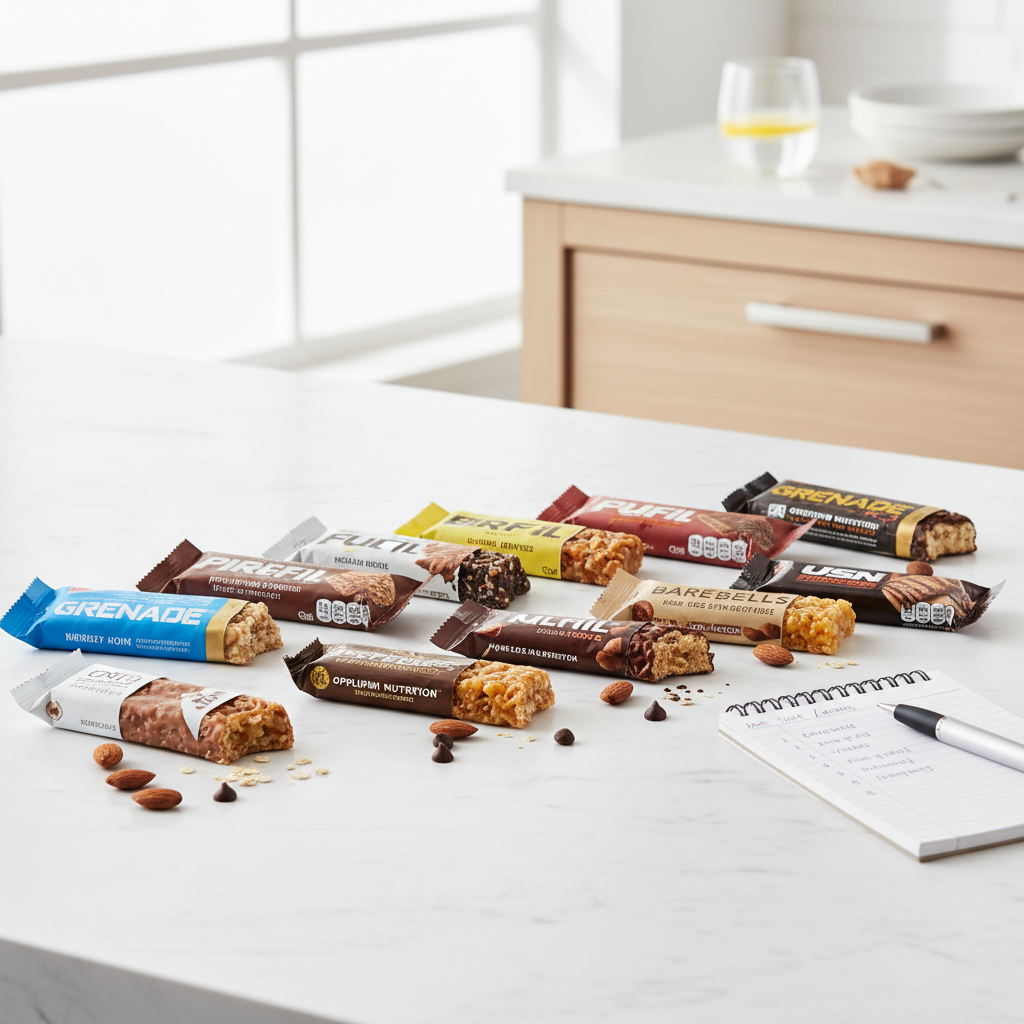
That's where I come in. I've rolled up my sleeves, put my taste buds to the test, and crunched the numbers on eight of the most popular protein bars available here in the UK. My mission? To help you navigate the jungle of options and find the perfect bar for your goals and your palate. We're talking taste, texture, protein content, carb count, sugar levels, and of course, the all-important price tag. No faffing about, just straight-up, honest reviews.
So, settle in, get comfy, and let's dive into the delicious (and sometimes not-so-delicious) world of protein bars.
How We Judged Them: Our Criteria for Ranking
Ranking protein bars is not just about picking the one that tastes most like a confectionery bar. The more useful comparison balances several practical factors. Here is the framework used for this review:
* **Taste and Texture:** This is subjective, of course, but vital. Does it genuinely taste good? Does it satisfy a sweet craving? Is the texture pleasant – chewy, crunchy, gooey, or just plain chalky? We're looking for bars that you'd genuinely *want* to eat, not just tolerate.
* **Macros (Macronutrients):** This is where the science comes in. We analysed the protein content (aiming for at least 15-20g per bar), carbohydrate levels (paying close attention to sugar and sugar alcohols), fat content, and fibre. A good protein bar should be high in protein, moderate in healthy fats, and ideally lower in net carbs and sugar, with a decent hit of fibre to aid digestion and satiety.
* **Ingredients List:** What's actually *in* the bar? We looked for quality protein sources (whey, casein, plant-based isolates), minimal artificial sweeteners and colours, and an absence of overly processed fillers. Simpler, cleaner ingredient lists often score higher.
* **Price:** We looked at typical UK pricing per bar and in multipacks to judge value. The goal was to see which bars still make sense once regular buying cost is factored in.
* **Overall Experience:** This is a bit of a catch-all. Does it make a good on-the-go snack? Does it keep you feeling full? Does it fit into various dietary regimes (e.g., low-carb, vegan)?
The Science Behind Protein: Why It Matters
Before we get to the bars themselves, let's quickly touch on why protein is such a crucial macronutrient, especially when you're considering these snacks. Protein isn't just for bodybuilders, you know. It plays a fundamental role in virtually every bodily process.
One of its most well-known functions is in muscle repair and growth. When you exercise, particularly resistance training, you create tiny tears in your muscle fibres. Protein provides the amino acids necessary to repair these tears and build new muscle tissue – a process known as muscle protein synthesis. Research, consistently highlighted in journals like *The American Journal of Clinical Nutrition* and *Nutrients*, shows that a sufficient intake of protein, especially around exercise, is key for optimising muscle recovery and adaptation. For example, studies by Phillips and Van Loon (2011) have demonstrated the critical role of adequate protein intake for maximising muscle anabolism.
Beyond muscle, protein is incredibly satiating. This means it helps you feel fuller for longer compared to fats and carbohydrates. This effect can be useful for people trying to manage weight or simply avoid mindless snacking. Studies, such as those by Leidy et al. (2015) in *The American Journal of Clinical Nutrition*, have shown that higher protein meals can significantly increase satiety and reduce subsequent energy intake. It helps to regulate hunger hormones, making it easier to stick to your dietary goals.
Furthermore, protein is essential for hormone production, enzyme function, immune health, and even the structure of your hair, skin, and nails. So, whether you're looking to build muscle, lose weight, or just support your general health, getting enough protein throughout the day is non-negotiable. Protein bars, when chosen wisely, can be a convenient and effective way to top up your daily intake.
The Bars, Ranked
Here are the eight protein bars reviewed, ranked from 8 to 1 based on the overall assessment.
8. Optimum Nutrition Protein Wafer – Vanilla Crème
Kicking off our list is the Optimum Nutrition Protein Wafer. This one stands out immediately because it's not your typical dense, chewy bar. It's a wafer!
* **General Impression/Taste Review:** I tried the Vanilla Crème flavour, and it was... fine. It's light, crispy, and certainly a welcome change from the usual texture of protein bars. It reminds me a bit of those classic Knoppers wafers, but obviously with a protein twist. The vanilla flavour is pleasant but not particularly strong or exciting. It lacks the decadent factor that some of the other bars offer, making it feel more like a functional snack than a treat. The crispiness is genuinely good, but it's not enough to elevate it higher up the list when stacked against the competition. It’s also quite prone to crumbling, which can lead to a bit of a mess.
* **Key Macros (per 38g bar):**
* Protein: 15g
* Carbohydrates: 12g (of which sugars: 1.6g)
* Fat: 7.7g (of which saturates: 4.8g)
* Fibre: 0.2g
* Calories: 172kcal
* **Key Ingredients:** Protein Blend (Milk Protein Isolate, Whey Protein Isolate (Milk), Hydrolysed Wheat Protein), Palm Oil, Sugar, Wheat Flour, Cocoa Butter, Whole Milk Powder, Cocoa Mass, Vanilla Flavouring. It uses a mix of protein isolates, which is good, but the presence of palm oil and sugar relatively high up the list isn't ideal for those scrutinising ingredients.
* **Price:** Approximately £2.00 - £2.50 per bar (often cheaper in multipacks, e.g., £20 for 10).
* **Pros:**
* Unique, light, and crispy texture – a refreshing change from dense bars.
* Relatively lower in calories compared to some heavier bars.
* Good amount of protein for its size.
* Vanilla flavour is inoffensive and clean.
* **Cons:**
* Can be quite messy due to crumbling.
* Flavour is a bit bland; not a "treat" bar.
* Lower in fibre compared to many competitors.
* Contains palm oil and some sugar.
* Doesn't feel as substantial or satiating as other bars.
* **Overall
Verdict:** The Optimum Nutrition Protein Wafer is a decent option if you're absolutely fed up with chewy, dense bars and want something lighter. However, its lack of strong flavour, low fibre, and tendency to crumble keep it firmly at the bottom of our ranked list. It’s more of a gentle nod to a protein snack than a hearty endorsement.
7. Misfits Plant-Based Protein Bar – Chocolate Speculoos
For our vegan friends (and those looking to reduce their dairy intake), Misfits has made a real splash. I picked up the Chocolate Speculoos flavour, which sounded intriguing.
* **General Impression/Taste Review:** This is one of the more credible plant-based options in the category. The Chocolate Speculoos offered a decent crunch and a good chocolate coating. The speculoos flavour was there, a bit subtle but present, giving it a spiced biscuit note. However, it had that distinct "vegan protein bar" taste – a slight earthiness or grittiness that some plant proteins struggle to hide. It’s not off-putting, but it’s definitely noticeable if you're used to whey-based bars. The texture inside was a bit more crumbly than chewy, which can be divisive. It is one of the better vegan bars in this category, although it still does not fully match the texture and finish of the stronger whey-based options.
* **Key Macros (per 45g bar):**
* Protein: 15g
* Carbohydrates: 14g (of which sugars: 0.9g)
* Fat: 7.3g (of which saturates: 3.2g)
* Fibre: 8.6g
* Calories: 191kcal
* **Key Ingredients:** Plant Protein Blend (Pea Protein Isolate, Soya Protein Nuggets, Soya Protein Isolate), Chicory Root Fibre, Sugar Alternative (Erythritol, Steviol Glycosides), Cocoa Butter, Rapeseed Oil, Vegan Chocolate Coating, Natural Flavourings. The use of chicory root fibre is a great way to boost the fibre content, and the protein blend is solid for a plant-based bar.
* **Price:** Approximately £2.25 - £2.75 per bar (often available in multipacks, e.g., £22 for 12).
* **Pros:**
* Excellent choice for vegans and those avoiding dairy.
* Very high in fibre, promoting satiety and digestive health.
* Low in sugar, relying on natural sweeteners.
* Good crunch and appealing chocolate coating.
* Innovative flavours.
* **Cons:**
* Still has a noticeable "plant-based" aftertaste for some palates.
* Texture can be a bit crumbly/dry compared to milk-based bars.
* Can be on the pricier side, especially when not on offer.
* Doesn't quite mimic a 'real' chocolate bar experience.
* **Overall
Verdict:** Misfits offers a fantastic plant-based option, packing in protein and fibre while keeping sugar low. It's a solid contender if you're specifically looking for vegan, but for an overall taste and texture experience that rivals non-vegan bars, it still has a little way to go. A very respectable seventh place.
6. Fulfil Vitamin & Protein Bar – Chocolate Salted Caramel
Fulfil bars have gained a lot of traction, particularly for their added vitamins and their generally appealing flavours.