Supplements
Why Pull-Ups? The Benefits Are Proper Brilliant
Before we dive into the nitty-gritty of steel and foam grips, let's take a moment to appreciate why the humble pull-up is such a powerhouse exercise. It’s not just for those big, burly blokes you see at the park; it’s for anyone wanting a stronger, healthier body. First off, pull-ups are a compound exercise, meaning they work multiple muscle groups simultaneously. We're talking your lats (those big back muscles that give you width), biceps, forearms, shoulders, and even your core as you stabilise your body. This makes them incredibly efficient for building upper body strength and muscle mass. You get a lot of bang for your buck, which is brilliant if you're short on time. Beyond the aesthetics of a broader back and bulging biceps, pull-ups offer some serious functional benefits. They improve your grip strength, which is vital for countless daily activities, from carrying shopping bags to opening stubborn jars. Strong grip has even been linked to overall health and longevity in some studies. For example, research published in the *Journal of Strength and Conditioning Research* often highlights grip strength as a key indicator of overall strength and even athletic performance across various sports. Furthermore, pull-ups can significantly improve your posture. In our modern world of desk jobs and constant phone-gazing, many of us suffer from rounded shoulders and poor spinal alignment. Pull-ups, by strengthening the muscles in your upper back, help to pull your shoulders back and down, counteracting that slouched position. This isn't just about looking better; good posture can reduce back and neck pain, making you feel a whole lot more comfortable throughout the day. A review in *Spine* journal might dig into the biomechanics and benefits of exercises for postural correction, where upper back strength is key. And let’s not forget the mental aspect. Mastering a pull-up, especially if you’ve struggled with them before, is a fantastic confidence booster. It’s a tangible measure of your progress and a reminder of what your body is capable of. It’s a proper 'feel-good' exercise. So, whether you're a seasoned gym-goer or just starting your fitness journey, incorporating pull-ups into your routine is a smart move. All you need is a reliable bar, and that's where I come in!Choosing Your Pull-Up Bar: Doorway vs. Wall-Mount
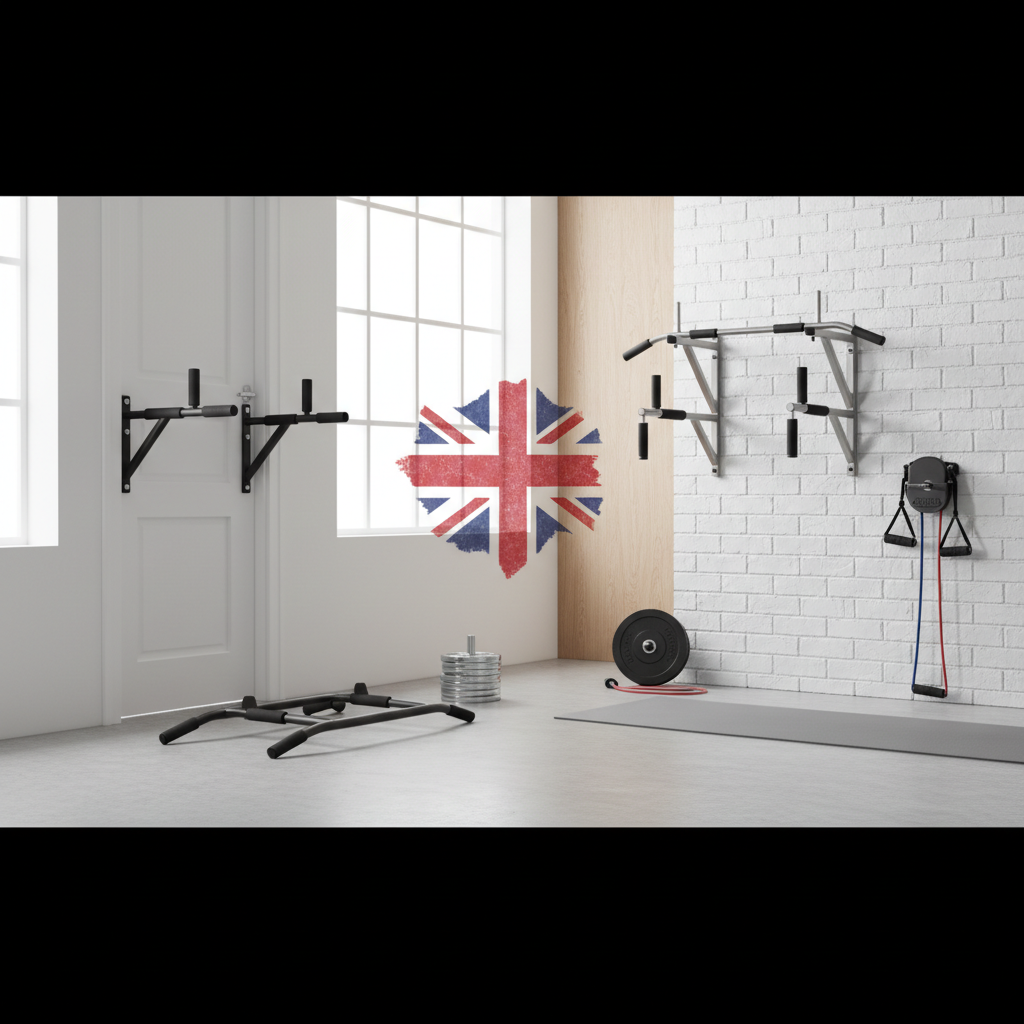
Right, decision time. This is where most people scratch their heads. Do you go for a doorway bar, which is usually a bit cheaper and less intrusive, or do you commit to a wall-mount, which is generally more stable but requires a bit of DIY? Let’s break down the pros and cons of each type.Doorway Pull-Up Bars
These are typically the go-to for beginners or those living in rented accommodation where drilling holes is a big no-no. They come in a couple of main varieties: * **Over-the-Doorframe:** These bars hook over your doorframe, using use to stay in place. No screws needed, usually easy to install and remove. Many also double up as floor-based push-up handles or for sit-ups. * **Telescopic (Pressure-Mounted or Screw-Fixed):** These extend to fit between your doorframe, either relying on friction (pressure) or small screws for a more secure fit. The pressure-mounted ones are super quick to put up and take down, but need to be used with caution (more on that later). The screw-fixed ones offer better security but require a bit of drilling.Pros of Doorway Bars:
- Portability: Most can be easily moved from room to room, or even packed away if you need the space.
- No Drilling (usually): Great for renters or if you’re not keen on attacking your walls.
- Affordability: Generally cheaper than wall-mounted options.
- Versatility: Many models can be used on the floor for push-ups, tricep dips, and core exercises.
Cons of Doorway Bars:
- Doorframe Dependency: You need a sturdy doorframe, and some frames just aren't up to the job. Can sometimes mark or damage paintwork.
- Limited Space: Your range of motion might be restricted by the doorframe, especially if you're tall.
- Weight Limits: Generally have lower weight limits than wall-mounted bars.
- Potential for Instability: Pressure-mounted bars, if not installed correctly or used vigorously, can slip, which is not ideal for your face or the floor.
- Aesthetics: Can look a bit clunky hanging in your doorway permanently.
Wall-Mounted Pull-Up Bars
These are the sturdy, reliable workhorses of the pull-up world. They bolt directly into a solid wall (usually brick, concrete, or into studs in plasterboard walls) and aren't going anywhere.Pros of Wall-Mounted Bars:
- Superior Stability: Once installed correctly, these are rock solid. You can go all out with kipping pull-ups (if that's your bag) or more dynamic movements without a wobble.
- Higher Weight Capacity: Can typically handle much more weight, making them suitable for heavier users or those who want to add extra weight.
- More Clearance: Offers more space away from the wall, allowing for a fuller range of motion and often more grip options.
- Permanent and Reliable: You know it's always there, always ready, and always safe (assuming proper installation).
- Aesthetics (can be): Some designs are quite sleek and can integrate well into a home gym setup.
Cons of Wall-Mounted Bars:
- Installation Required: This is the big one. You need to be comfortable with drilling, finding studs, and ensuring a secure fit. Not for the faint of heart, or those without a drill.
- Permanent Fixture: Once it's up, it's up. Moving it is a faff, and you'll have holes to patch if you take it down.
- Space Commitment: Takes up dedicated wall space.
- Higher Cost: Often more expensive than doorway options.
Our Top 5 Pull-Up Bars for Home UK
Right, let's get down to the brass tacks and review some specific bars that have caught my eye and impressed me. I’ve tried to pick a good mix to suit different needs and budgets.1. Iron Gym Total Upper Body Workout Bar (Doorway, No-Screw)
This is, without a doubt, one of the most popular and recognisable doorway pull-up bars out there. You’ve probably seen it advertised on late-night TV or spotted it in a mate's flat. It’s a classic for a reason: it's simple, effective, and relatively affordable. It’s designed to fit most standard doorframes (up to about 92cm wide, with a frame depth of 12-15cm, though always double-check manufacturer specs) without the need for screws or permanent installation. It hooks over the top of your doorframe and uses use to stay put. The construction is generally decent quality steel, with foam grips for comfort. Beyond pull-ups (with various grip positions like wide, narrow, and hammer), it can be taken off the doorframe and used on the floor for push-ups, tricep dips, and even for assisting with sit-ups if hooked under a door. It's a proper multi-functional piece of kit. Approx. Price: £25 - £40Pros:
- Easy Installation: No drilling, no tools needed for setup. Just hook it over the doorframe.
- Portable: Can be easily moved from room to room or stored away.
- Multi-Functional: Great for pull-ups, chin-ups, push-ups, dips, and sit-ups.
- Affordable: Excellent value for money for a versatile piece of equipment.
- Good Grip Options: Offers wide, narrow, and hammer grip positions.
Cons:
- Doorframe Compatibility: Might not fit all doorframes, especially older, shallower ones or very wide/narrow ones.
- Potential for Marks: Can sometimes leave marks or minor damage on doorframes or paintwork over time, especially with heavy use.
- Limited Clearance: Being right in the doorframe, tall users might find their feet scraping the floor or their head hitting the frame.
- Weight Limit: Typically rated for users up to 100-120kg, which is fine for most but lower than wall-mounted options.
- Can Feel a Bit Less Secure: While generally safe, the use system can feel less solid than a bolted-down bar for some.