Supplements
How to Start Meal Prepping: A Complete Beginner's Guide
Right, listen up, you lovely lot. If you're anything like I used to be, you're probably juggling work, family, a social life (remember those?), and the constant, soul-destroying question: "What on earth are we having for dinner tonight?" The answer often involved a frantic rummage through the fridge, a disappointing takeaway menu, or a ready-meal that left me feeling more sluggish than satisfied. Sound familiar? Well, let me introduce you to a proper worth the switch: meal prepping. Now, before you picture bland chicken and broccoli for days on end, let me assure you, it’s not like that anymore. Or, at least, it doesn't have to be. Meal prepping, for me, has gone from a vague, aspirational idea I saw on Instagram to an absolute cornerstone of keeping my sanity, my wallet, and my waistband in check. I've been there. I've stared at an empty fridge on a Tuesday evening, utterly devoid of inspiration, and succumbed to the siren call of the local chippy. I've also spent hours on a Sunday afternoon batch cooking enough food to feed a small army, only to realise I’d forgotten half the ingredients. So, trust me when I say, I've learned a thing or two about what works, what doesn't, and how to make meal prepping a genuinely enjoyable, stress-reducing part of your week. This guide isn't about rigid rules or becoming a Michelin-star chef overnight. It's about easing you into the world of organised eating, helping you save a bit of dosh, eat a bit healthier, and reclaim some precious time. We'll cover everything from what you need to get started, how to plan like a pro, practical tips for your first prep session, and even a bit of scientific backing to show you why it’s such a cracking idea. So, settle in, get comfy, and let's dive in.What Exactly *Is* Meal Prepping, Anyway?
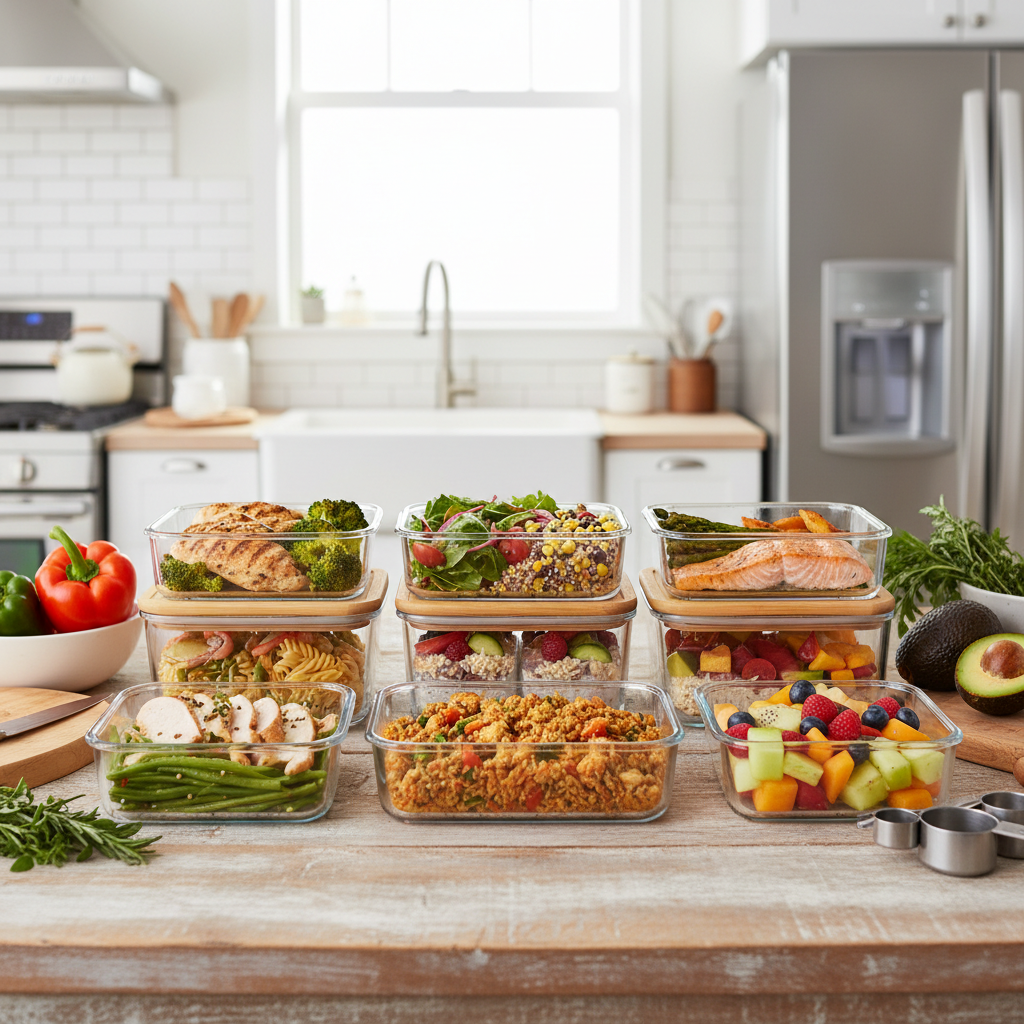
At its heart, meal prepping is simply the act of preparing food in advance. It's about getting ahead of the game, rather than constantly scrambling for your next meal. Think of it as your future self saying a big, grateful "thank you!" Now, it’s not a one-size-fits-all kind of deal, and that's one of its beauties. It can take many forms: * **Batch Cooking:** This is probably what most people think of. You cook a large quantity of a single dish – say, a hearty chilli, a big pot of lentil soup, or a massive tray of roasted vegetables – and portion it out for several meals throughout the week. * **Component Prepping:** Instead of full meals, you prepare individual components. This might mean cooking a big batch of grains (like rice or quinoa), roasting a tray of chicken breasts, chopping all your veggies, or making a versatile sauce. Then, during the week, you simply mix and match these components to create different meals. This is fantastic for avoiding boredom! * **Ready-to-Assemble Meals:** Here, you do all the fiddly bits in advance – chopping onions, mincing garlic, measuring out spices, marinating meat – so that when it comes to cooking time, all you have to do is throw everything into a pan or oven. * **Breakfast & Snack Prepping:** Don't forget the most important meal of the day! Overnight oats, homemade granola bars, chopped fruit, or boiled eggs can all be prepped ahead, making rushed mornings a breeze. The key is to find what works for *your* lifestyle, *your* taste buds, and *your* schedule. There's no right or wrong way, just *your* way.The Smashing Benefits of Getting Your Prep On
Right, let's talk about why you should even bother. For me, the transformation has been immense. It's not just about food; it's about reclaiming time, reducing stress, and feeling generally more in control. * **Saving Time:** This is a biggie. Imagine getting home after a long day, utterly famished, and knowing that a delicious, healthy meal is just moments away from being heated up. No faffing about with chopping, no waiting for pans to heat up, no dithering over recipes. You dedicate a couple of hours on a Sunday (or whatever day suits you), and suddenly your weekdays are smoother sailing. Those precious minutes you save each evening really add up, giving you more time for hobbies, family, or just, you know, sitting down with a cuppa! * **Saving Money:** Oh, lordy, the money you can save! Less reliance on pricey takeaways, fewer spontaneous supermarket trips (where you invariably buy things you don't need), and significantly less food waste. When you plan your meals, you buy exactly what you need. A typical takeaway for two might set you back £20-£30 in the UK. A week of prepped meals? You could easily feed yourself for less than that. One study published in the *Journal of Nutrition Education and Behavior* (Ducrot et al., 2017) found that meal planning was associated with food money saving. It's not rocket science, is it? More planning equals less impulse buying and less wasted food ending up in the bin. * **Healthier Eating:** This is arguably the biggest win for many. When you prep your meals, you're in full control of the ingredients. You decide how much salt goes in, how much oil, and critically, how many vegetables. No hidden sugars, no excessive processed ingredients, just good, wholesome food. This makes it far easier to hit your nutritional goals, whether that's increasing your fibre intake, cutting down on saturated fats, or simply eating more fruit and veg. It’s also brilliant for portion control – you decide the portion size once, and then you don't have to think about it for every meal. Research consistently shows a link between meal planning and healthier diets. For example, a 2021 study in the journal *Nutrients* (Nie et al., 2021) indicated that higher frequency of meal planning was associated with lower odds of obesity. * **Reduced Stress & Decision Fatigue:** The dreaded "what's for dinner?" question can be a huge source of daily stress. When your meals are prepped, that decision is already made. It frees up mental bandwidth for more important things, leaving you feeling calmer and more organised. It's one less thing to worry about in an already busy world. * **Achieving Goals:** Whether you're aiming for weight loss, muscle gain, managing a dietary condition like diabetes, or simply trying to eat more plant-based meals, meal prepping is an incredibly powerful tool. It provides consistency and accountability. You know exactly what you're eating and when, making it easier to track and adjust as needed. * **Developing Cooking Skills:** If you're a bit of a novice in the kitchen, meal prepping forces you to get comfortable with basic cooking techniques. You'll learn how to chop efficiently, roast vegetables perfectly, and season creatively. Practice makes perfect, and before you know it, you'll be whipping up delicious meals with confidence. * **Environmental Impact:** Less food waste means a smaller carbon footprint. When you buy ingredients specifically for planned meals, you're less likely to let food go off in the fridge. Plus, cooking at home generally means less packaging waste compared to relying on frequent takeaways or ready-meals.Pros List
- Saves significant time during busy weekdays.
- Reduces food expenditure and minimises food waste.
- Promotes healthier eating habits by controlling ingredients and portions.
- Alleviates daily stress and decision fatigue ("what's for dinner?").
- Helps achieve specific dietary and fitness goals (e.g., weight management, muscle gain).
- Encourages development of cooking and organisational skills.
- Reduces environmental impact through less waste and packaging.
- Provides peace of mind and a sense of control over your diet.