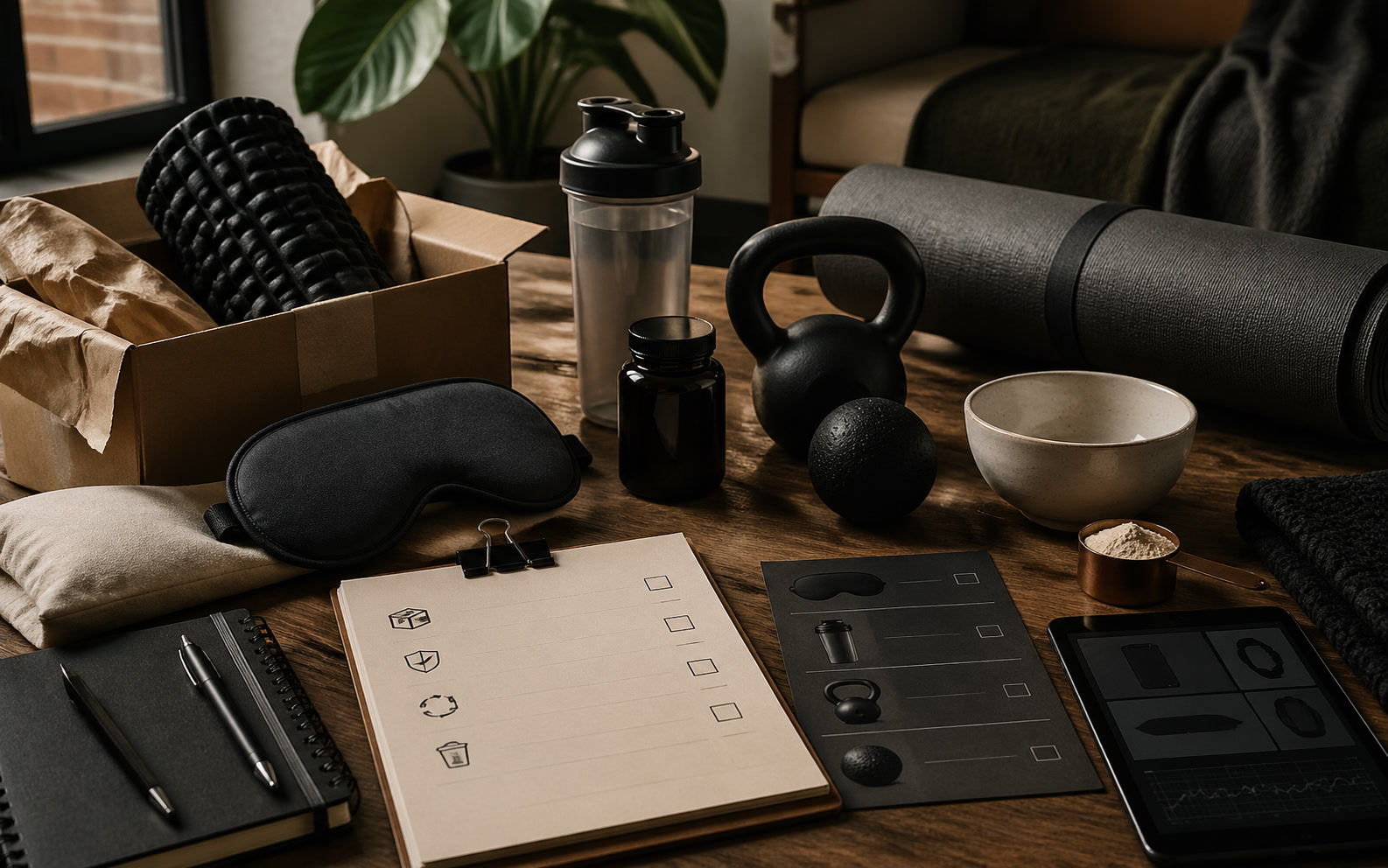
The life constraint comes first; the product claim stays on probation.
Buying a health product often feels like a leap of faith. Whether you are eyeing a sleep tracker, a high-end percussive massage gun, or a new magnesium supplement, the marketing promises a noticeable shift in your daily routine. But what happens when the wearable pinches your wrist, the sleep mask lets in too much ambient light, or the protein powder upsets your stomach? Returning health and wellness products is rarely as straightforward as returning a pair of shoes or a jacket. Because these items interact directly with our bodies, retailers apply strict boundaries around hygiene, consumables, and software activation.
Understanding the return policy before you hand over your credit card details is a basic form of consumer self-defence. You need to know exactly what recourse you have if a product simply does not fit into your life the way you hoped. This guide breaks down the common hurdles in health product return policies, the critical difference between statutory rights and store policies, and what you need to check before entering your payment details. We will look at the specific traps associated with digital wearables, heavy recovery gear, and ingestibles, ensuring you know what to expect when a wellness purchase misses the mark.
Understanding Consumer Guarantees vs. Change of Mind
In Australia, and in many other jurisdictions, consumer protection laws are strong when a product is genuinely faulty. If a massage gun refuses to charge straight out of the box, or a fitness tracker cannot measure your heart rate as advertised due to a hardware defect, you are generally entitled to a repair, replacement, or refund. The law protects you against defective manufacturing, misleading advertising, and products that are unsafe. These are known as consumer guarantees, and a retailer cannot simply wave them away with a strict store policy.
However, the vast majority of health product returns are not due to technical faults. They fall under the category of "change of mind" returns. You might find a smart ring too bulky to sleep in, decide a heavily marketed greens powder tastes awful, or realise you simply do not have the time to use a red light therapy panel. In these change-of-mind scenarios, statutory consumer guarantees do not apply. You are entirely at the mercy of the retailer's specific return policy. Many brands will not accept change-of-mind returns for wellness items at all, and those that do often impose strict conditions, short timeframes, and hidden fees. Knowing the difference between a broken product and a disappointing experience is the first step in managing your expectations.
Hygiene Seals and Consumables: The Strict Exclusions
The most rigid return policies apply to items that touch your skin, enter your body, or are used in bed. Retailers face strict health and safety regulations, meaning they cannot simply restock and resell an item that has been intimately used by another person.
Supplements and Ingestibles
Once the protective seal is broken on a tub of protein, vitamins, or hydration powder, it is almost universally non-returnable. You cannot return a half-empty tub simply because you do not like the flavour or texture. Even if you have only used a single scoop, the product is now compromised. Some brands do offer a "taste guarantee" or a money-back promise on your first order, but these are exceptions rather than the rule. If you are trying a new supplement, it is often wiser to buy the smallest available size or a sample pack before committing to a bulk tub.
Sleep Tech and Bedding
Items like contour pillows, weighted blankets, and sleep masks are often classified as personal hygiene items. We sweat, shed skin cells, and leave hair oils on these products during the night. Some dedicated sleep brands offer a specific trial period—like a 30-night guarantee—to let you test the product. Outside of those explicit promotions, opening the packaging usually voids your ability to return the item. If you buy a standard pillow from a department store and sleep on it for a week, do not expect to be able to take it back.
Recovery Tools and Skincare
Massage guns, foam rollers, acupressure mats, and topical muscle rubs might be returnable if completely unused and sealed. But if there are signs of wear, skin contact, or if the safety seal on a cream is broken, retailers will reject the return.
Wearables and Apps: The Activation Trap
Fitness trackers, smartwatches, and sleep rings introduce a digital complication to return policies. It is not just about the physical hardware; it is about the software ecosystem.
When you buy a modern wearable, you usually have to download a companion app, create a personal account, and pair the device via Bluetooth. Some retailers and manufacturers consider this "activation" as the point of no return for change-of-mind policies. Once a device is linked to a personal profile and begins logging biometric data, it is classified as used and cannot be resold as new.
Furthermore, many wearables come with a bundled subscription trial. For example, you might get six months of premium app access included with the hardware purchase. If you decide to return the physical device within the allowed window, you must ensure you also cancel the digital subscription separately. Failing to do so can result in unexpected monthly credit card charges long after the tracker has been mailed back to the warehouse.
Restocking fees are also highly common in the tech wellness space. A company might accept a returned smart ring or fitness band, but deduct a 15 to 20 percent fee from your refund. This fee covers the administrative and logistical cost of inspecting the device, wiping the firmware, sanitising the hardware, and repackaging the item as a refurbished unit. Always check if a restocking fee applies before you buy.
Heavy Recovery Gear: The Logistics of Shipping
Treadmills, walking pads, infrared sauna blankets, and cold plunge tubs have surged in popularity for home routines. The return policies for these large items often look generous on the website—perhaps offering a 30-day return window—but the physical logistics make returning them highly impractical.
Return shipping for a 30-kilogram walking pad or a bulky sauna blanket is incredibly expensive. Most retailers require the customer to cover the cost of return freight for change-of-mind returns. You might be quoted a shipping fee by a courier that eats up a third of the product's original purchase price, making the return financially pointless.
Additionally, these items must usually be returned in their original packaging to survive the transit back to the warehouse. If you ripped the heavy cardboard box to pieces and threw away the custom styrofoam inserts trying to get the equipment out, you might forfeit your right to return it entirely. Retailers will often refuse heavy items that are not packed securely, as they are liable to be damaged in transit.
Pre-Purchase Audit: What to Check Before Checking Out
Before buying a new health or wellness product, run through this basic policy audit. It takes two minutes and prevents weeks of frustrating customer service emails.
- Look for the "Change of Mind" clause: Do not just read the "Returns" page, which often heavily focuses on faulty items to comply with consumer law. Search specifically for their stance on changing your mind, sizing issues, or general dissatisfaction.
- Check the time window: Is the return window 14 days, 30 days, or longer? Crucially, does the clock start ticking on the day you purchase the item, or the day it is delivered to your door? For pre-orders or delayed shipping, this distinction is vital.
- Identify the hidden fees: Search the policy for the terms "restocking fee", "return shipping", and "handling fee". Calculate how much you will actually get back if you have to pay these costs.
- Save the packaging: If you are testing a new device, keep every piece of plastic, twist tie, instruction manual, and cardboard insert for the duration of the return window. Store the box in a closet until you are certain you are keeping the product.
- Screenshot guarantees: If a brand advertises a "risk-free 30-day trial" or "100% satisfaction guarantee" on their homepage or social media ads, take a screenshot. Sometimes these marketing claims contradict the strict legal jargon hidden in the actual terms of service. Having proof of the advertisement can help your case if customer service initially denies your request.
When to Skip the Purchase Entirely
Return policies should never be used as a safety net for inappropriate medical purchases. There are clear situations where you should skip buying consumer health goods entirely and seek professional guidance instead.
Do not buy consumer wellness devices to self-treat diagnosed medical conditions. If you have severe sleep apnea, chronic insomnia, or a diagnosed cardiac condition, a consumer sleep tracker or smart ring is not a substitute for clinical monitoring. These devices are for general wellness tracking, not medical diagnostics.
If you are managing an eating disorder or have a history of obsessive tracking, avoid purchasing smart scales, body composition monitors, or calorie-tracking wearables. The ability to return these items within 30 days does not negate the potential psychological harm of bringing them into your home. Prioritise your mental health over testing new gadgets.
If you are pregnant, nursing, managing a chronic illness, or taking prescription medication, do not trial new supplements, herbal blends, or ingestibles with the mindset of "I can just return it if I react badly." Interactions between supplements and medications can be serious. Always consult your primary care doctor or a qualified dietitian before introducing new compounds to your routine.
Finally, if you are recovering from an acute injury, do not buy heavy recovery gear like massage guns, walking pads, or inversion tables without clearance from a physiotherapist. Using the wrong equipment can exacerbate your injury, and retailers will not accept returns on items simply because using them caused you physical discomfort, provided the item itself is not mechanically faulty.
Frequently Asked Questions
Can I return an opened supplement if I had an allergic reaction?
This depends entirely on the retailer and local consumer laws. If the product was contaminated, expired, or mislabelled (for example, it contained an undeclared allergen), you have strong grounds for a full refund. However, if the ingredients were clearly listed and you simply had a personal, unpredictable adverse reaction, retailers are generally not legally obligated to refund you. Some reputable brands might do so as a gesture of goodwill, but it is not guaranteed. Always consult a doctor if you experience a reaction.
Do 30-day sleep guarantees actually work?
Yes, but they require strict adherence to the rules. Companies that sell mattresses, contour pillows, or weighted blankets often require you to try the product for a minimum number of days (usually 14 to 21) before they will accept a return. They argue your body needs time to adjust to the new support structure. You will also likely need to use a mattress protector or pillowcase to ensure the item remains in a sanitary, unsoiled condition. Any stains or tears will void the guarantee immediately.
Who pays for return shipping on heavy items?
For change-of-mind returns, the consumer almost always pays for return shipping. For genuinely faulty items, consumer law typically requires the retailer to cover the cost of return freight, or to compensate you for reasonable shipping expenses once the fault is confirmed.
What happens if I bought the item from a third-party seller?
If you buy a branded health product from a marketplace (like a pharmacy, a sporting goods store, or an online giant) rather than direct from the manufacturer, the marketplace's return policy applies. The brand's official website policy is irrelevant unless they explicitly state they cover third-party purchases. Always check the receipt from the specific store where you handed over your money.