Supplements
Reviewed by Dr. Nathan ColeUpdated March 2026UK market focus
Sundried Eco Yoga Mat Review: Sustainable and Practical?
Sustainability has become a bigger consideration in the yoga mat category, but eco claims alone do not guarantee a good product. This review looks at whether the Sundried mat balances grip, comfort, durability, and value well enough for regular use.
Enter Sundried. If you've spent any time looking for ethical activewear in the UK, you’ll likely have come across them. They've built their brand around sustainability, using recycled materials and focusing on ethical production. So, when their Eco Yoga Mat landed on my desk (or, more accurately, in my living room), I was genuinely intrigued. Could this mat truly live up to its "eco" promise while still being a dependable surface for my sun salutations and warrior poses? That’s the big question we’re here to answer today. I’ve put it through its paces – from sweaty Vinyasa flows to calming Yin sessions – to give you the full lowdown.
First Impressions: Unboxing the Sundried Mat
When the Sundried Eco Yoga Mat arrived, my initial thought was, "Right, let's see how 'eco' the packaging is." And I was pleasantly surprised. It came simply rolled up, secured with a thin, branded paper band and then encased in a recyclable cardboard box. No unnecessary plastic wrap, no excessive frills – just simple, minimal packaging. This immediately scored a few brownie points.
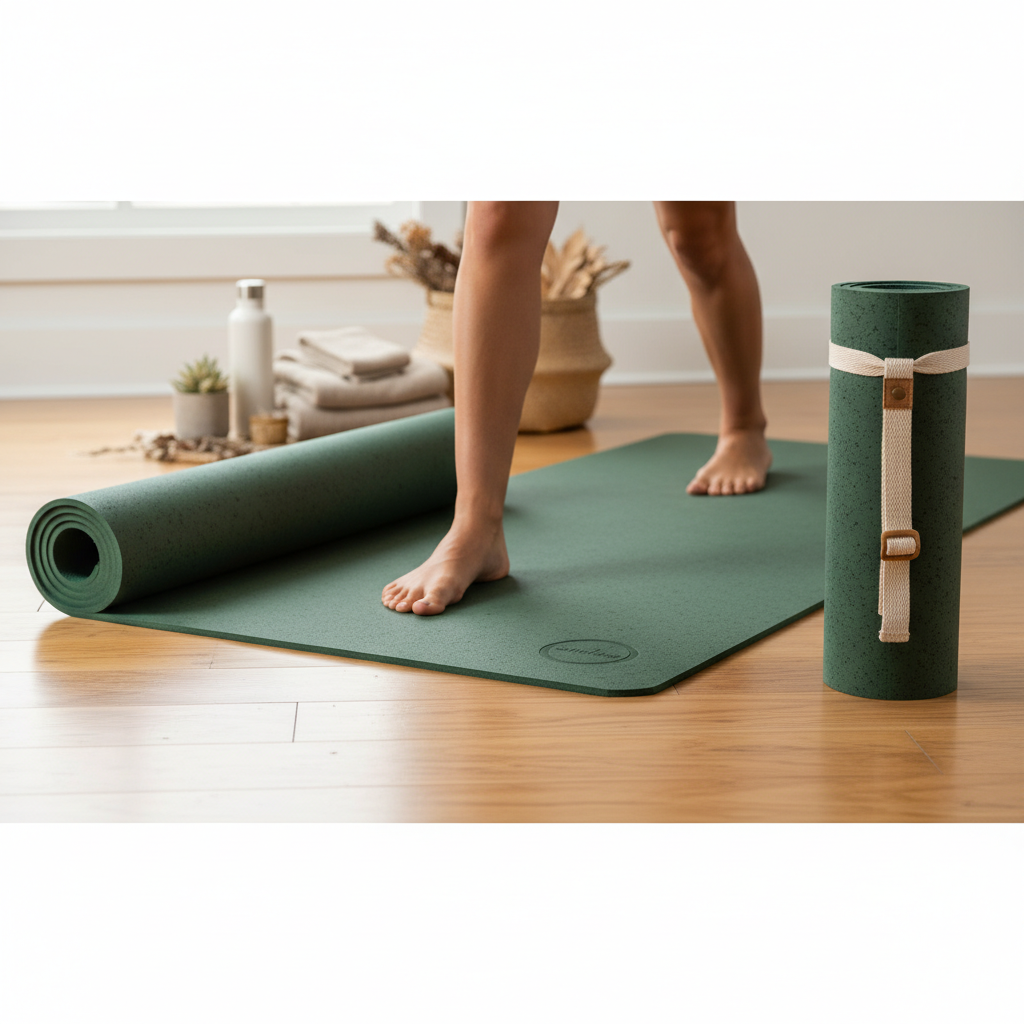
Pulling the mat out, the first thing you notice is its colour. Sundried offers a range of muted, earthy tones, which I quite like – nothing too flashy or distracting, keeping with that natural vibe. The one I tested was a lovely deep grey, quite versatile.
Dimensions and Material Matters
Unrolling it, the mat felt relatively lightweight, which is a big plus for portability. It measures approximately 183cm in length and 61cm in width, which are pretty standard dimensions, offering ample space for most practitioners. Where things get a bit more critical is the thickness. This particular mat comes in at 4mm. Now, 4mm is often considered a good all-rounder – thick enough for some cushioning, but thin enough to maintain stability and still be easily rolled and carried. For comparison, mats typically range from 3mm (travel mats) to 6mm+ (for extra cushioning). My "dosage" here, if you like, of material and dimension felt reasonable for general use.
The material itself is where the "eco" really comes into play. Sundried states their mat is made from TPE, or Thermoplastic Elastomer. This isn't your traditional, ubiquitous PVC, nor is it the natural rubber that often carries a higher price tag. TPE is a synthetic material that’s gaining popularity in the yoga mat world for several reasons, which we’ll dive into shortly.
Upon unrolling, there was a very faint, almost imperceptible scent. Unlike some new mats, particularly those made from natural rubber, there was no strong, chemical-like off-gassing or pungent rubber smell that lingers for days. This is a huge positive, especially if you’re sensitive to smells or practice in a smaller space. It suggests the materials used are relatively inert and free from nasty volatile organic compounds (VOCs).
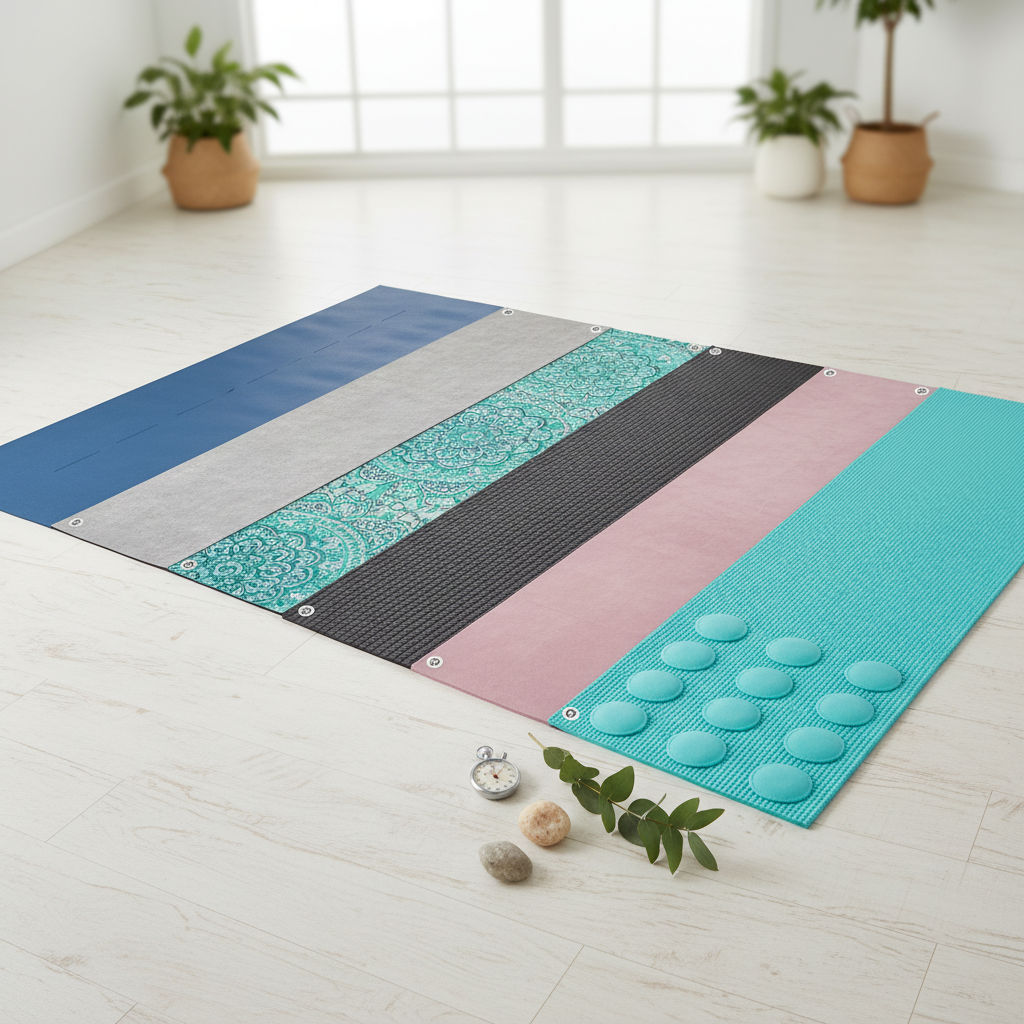
The texture on both sides is interesting. The top surface has a slightly textured, almost velvety feel – not completely smooth, which hints at some grip. The underside has a ripple-like pattern, designed, I assume, to help it stay put on the floor. Overall, the first impression was one of understated quality and thoughtful design, with a strong nod to its eco-conscious origins.
The "Eco" Credentials: Digging Deeper
So, the big selling point here is undoubtedly the "Eco" in the name. But what does that actually mean when it comes to a yoga mat? And how does it stack up against other materials?
What is TPE?
TPE, or Thermoplastic Elastomer, is essentially a blend of plastic and rubber polymers. It’s a synthetic material, but it’s often lauded as a more environmentally friendly alternative to traditional PVC (polyvinyl chloride) yoga mats. Here's why:
* **Non-Toxic and Hypoallergenic:** TPE mats are typically free from latex, PVC, phthalates, and other heavy metals. This makes them a much safer choice, especially for people with latex allergies or those who are concerned about exposure to the potentially harmful chemicals found in PVC. Phthalates, in particular, are endocrine disruptors and have been linked to various health issues. This is a significant advantage from a health perspective.
* **Recyclability:** While not biodegradable in the same way an organic material might be, TPE is generally considered recyclable. This means that, in theory, once your mat has reached the end of its life, it *could* be repurposed or processed into new materials, reducing landfill waste. However, the practicalities of TPE recycling infrastructure can vary significantly by region.
* **Production Process:** The manufacturing process for TPE is generally less energy-intensive and produces fewer toxic by-products compared to PVC production. This contributes to a smaller environmental footprint overall.
It's important to have a balanced view, though. While TPE is a vast improvement over PVC, it's still a synthetic material. It won't biodegrade quickly in a compost heap like cork or natural rubber might (though even natural rubber's biodegradability depends on conditions). So, "eco" here means "more sustainable choice" rather than "100% naturally compostable." Sundried's commitment extends to using eco-friendly manufacturing processes where possible, aligning with their broader brand philosophy of sustainability in activewear.
Sustainability vs. Practicality
This is the crux of the review, isn't it? Often, when a product leans heavily into its eco-credentials, there's a worry that performance might take a backseat. Are you sacrificing grip for a greener conscience? Is cushioning compromised for a smaller carbon footprint? With the Sundried Eco Yoga Mat, I was keen to see if it struck the right balance.
For me, a sustainable product isn’t truly sustainable if it doesn’t perform well and needs replacing frequently. That just generates more waste, regardless of the material. So, the longevity and practical performance of this TPE mat are just as important as its material composition.
Putting it to the Test: Performance on the Mat
Now for the nitty-gritty: how does this mat actually perform when you’re sweating through a powerful flow or trying to find stillness in a restorative pose? I’ve used it for a variety of practices over several weeks, covering everything from vigorous Vinyasa to more meditative Hatha and gentle Yin.
Grip
Grip is, without a doubt, the most critical factor for any yoga mat. If you’re sliding around like you’re on an ice rink, it doesn’t matter how eco-friendly it is – it’s utterly useless and potentially dangerous.
* **Dry Grip:** In dry conditions, the Sundried Eco Mat offered a surprisingly good level of grip. The textured surface felt reassuring under my hands and feet. For standing poses like Warrior II or Triangle, I felt stable and grounded. Transitions between poses were smooth, without any noticeable slippage.
* **Wet Grip (Sweat Test):** This is where many mats fall short. Let’s face it, if you’re doing a dynamic practice or you just happen to be a naturally sweaty person (guilty!), your mat needs to handle a bit of moisture. I purposely put this mat through some more intense, heated practices. Here, the grip did diminish slightly compared to dry conditions, but it wasn’t catastrophic. It wasn’t a complete loss of traction that had me flailing, but I did notice a very slight give in poses like Downward Dog after my palms got particularly damp. For very sweaty practitioners, a yoga towel would likely be a worthwhile addition, but for moderate sweat, it held its own reasonably well. This is quite commendable for a TPE mat, as some cheaper alternatives become slick as soon as a drop of moisture touches them.
Cushioning and Support
At 4mm thick, this mat sits in that versatile middle ground. It’s thicker than a travel mat but not as plush as some 6mm+ studio mats.
* **Comfort:** For my knees, wrists, and spine, the 4mm thickness provided adequate cushioning for most poses. Kneeling poses felt comfortable enough without needing extra padding, and lying down for Savasana felt perfectly fine. It’s definitely a step up from a thin 3mm mat.
* **Stability:** Crucially, despite the cushioning, the mat felt stable. It didn’t compress excessively or feel squishy, which is important for balance poses. My feet felt connected to the ground, and there was no sense of wobbling or sinking into the mat. For standing postures where a firm foundation is key, it performed very well. The density of the TPE felt just right – supportive yet comfortable.
Durability
A truly sustainable product should last. What’s the point in an eco-friendly material if it flakes apart after a few months? So far, after several weeks of consistent use (3-4 times a