The life constraint comes first; the product claim stays on probation.
Walking down the supplement aisle or scrolling through fitness feeds, it is easy to believe that plain tap water is no longer adequate for human survival. Brightly packaged electrolyte powders, effervescent tablets, and bottled sports drinks promise better hydration, faster recovery, and sustained energy. But do you actually need them? For the vast majority of daily activities, including a standard forty-five-minute gym session or a brisk morning walk, the answer is no. Plain water, combined with a standard diet, is entirely sufficient for keeping your body hydrated and functioning properly.
Electrolyte drinks are specific tools designed for specific physiological demands. They become useful when you are losing significant amounts of fluid and minerals rapidly—usually through prolonged sweating during endurance exercise, working physically in hot climates, or recovering from a gastrointestinal illness. Understanding the difference between a clever marketing pitch and a biological necessity helps you save money and avoid consuming unnecessary sodium or sugar. This guide looks at what these supplements actually do, when they make sense, and when they are simply expensive, flavored salt water.
What Electrolytes Actually Do (and Why You Already Have Them)
Electrolytes are essential minerals—primarily sodium, potassium, magnesium, calcium, and chloride—that carry an electrical charge when dissolved in fluid. Your body relies on them to regulate nerve function, muscle contractions, and fluid balance. When you sweat, you lose water, but you also lose these minerals, with sodium being the most significant casualty.
However, the human body is remarkably efficient at maintaining its electrolyte balance under normal conditions. The food you eat provides the vast majority of the minerals you need. A standard diet containing fruits, vegetables, dairy, grains, and lightly salted meals easily covers the baseline requirements for a sedentary or moderately active person. A single banana provides a substantial dose of potassium; a handful of almonds offers magnesium; and a standard savory dinner usually contains more than enough sodium to replace whatever you lost during a light jog.
The marketing around hydration often implies that we are constantly on the verge of depletion. In reality, unless you are placing your body under sustained, heavy stress, your kidneys do an excellent job of regulating these levels without the need for neon-colored beverages.
The Situations Where Supplementation Makes Sense
While most people can rely on water and food, there are specific scenarios where an electrolyte supplement serves a practical purpose. If you fall into one of the following categories, keeping a hydration powder or drink on hand might be a sensible choice.
Endurance Training and Prolonged Exercise
If you are running, cycling, or engaging in continuous, high-intensity exercise for longer than ninety minutes, water alone may not be enough. Over extended periods, heavy sweating significantly depletes your sodium stores. Drinking only plain water in these scenarios can actually dilute the remaining sodium in your bloodstream, leading to a dangerous condition called hyponatremia. For marathon runners, long-distance cyclists, or triathletes, a formulated sports drink helps maintain the necessary mineral balance to keep muscles firing and prevent severe cramping.
High Heat and Heavy Sweating
Environmental factors heavily influence your hydration needs. A thirty-minute walk on a mild autumn day requires nothing more than a glass of water afterwards. However, performing physical labor, playing a continuous sport, or hiking on a humid, thirty-five-degree January afternoon changes the equation. If you are a heavy sweater—especially if you notice white, crusty salt lines on your clothing or hat after being outdoors—a sodium-based electrolyte replacement can help you recover faster and avoid the lingering fatigue associated with heat exposure.
Illness and Fluid Loss
During bouts of gastroenteritis, food poisoning, or other illnesses that cause vomiting and diarrhea, the body loses fluids and electrolytes at an alarming rate. In these acute medical situations, rehydration is critical. While commercial sports drinks are often used, medical-grade oral rehydration salts (ORS) from a pharmacy are formulated specifically for this purpose and are generally more effective than fitness supplements.
When to Skip the Powders (And Who Needs Clinical Clearance)
For all the scenarios where electrolytes are useful, there are many more where they are unnecessary or potentially harmful. Adding high-sodium supplements to your daily routine without a physiological need can disrupt your body's natural balance.
Who should skip this:
- Desk workers and light exercisers: If your daily routine consists of sitting at a computer, commuting, and taking a Pilates class or doing a standard weightlifting session, you do not need an electrolyte powder. Water and your next meal are entirely adequate.
- People with hypertension or heart conditions: Many modern electrolyte powders contain very high levels of sodium—sometimes up to 1000mg per serving. If you have high blood pressure or a heart condition, adding this much sodium to your diet can be dangerous. Always consult a doctor before using these products.
- Individuals with kidney disease: Compromised kidneys struggle to filter excess minerals like potassium and sodium. Electrolyte supplements can cause these minerals to build up to toxic levels in the blood.
- Those on specific medications: Certain blood pressure medications, such as ACE inhibitors, and potassium-sparing diuretics interact poorly with potassium supplements. Mixing them can lead to hyperkalemia, a serious medical issue. A clinician prompt is essential here: never add mineral supplements to your routine without checking with your prescribing doctor or pharmacist.
- Pregnancy: While hydration is vital during pregnancy, high-sodium supplements or those containing herbal additives and artificial sweeteners should be cleared by an obstetrician or midwife first.
- People with eating disorders: Using electrolyte drinks to suppress appetite, replace meals, or engage in dangerous water-loading behaviors is a severe mental and physical health risk. If you are recovering from or currently experiencing an eating disorder, dietary changes should only be made alongside a qualified healthcare team.
Reading the Label: Deciphering the Formulas
If you have determined that an electrolyte drink fits your lifestyle, the next step is navigating the wildly varying formulations on the market. Not all powders are created equal, and understanding the ingredient list helps you choose the right tool for the job.
The Sodium Content
Sodium is the primary electrolyte lost in sweat, and its concentration varies drastically between products. Standard supermarket sports drinks might contain around 150mg to 300mg of sodium per bottle. In contrast, specialized hydration powders aimed at endurance athletes or heavy sweaters can contain anywhere from 500mg to 1000mg of sodium per sachet. If you are doing a standard hour-long spin class, a 1000mg sodium packet is overkill and will likely just make you excessively thirsty. Reserve the high-sodium options for true endurance efforts or extreme heat.
The Role of Sugar
Sugar in sports drinks is often viewed negatively, but from a physiological standpoint, it serves a distinct purpose. The human gut utilizes a mechanism known as the sodium-glucose cotransporter. Simply put, a specific ratio of glucose (sugar) and sodium helps the intestines absorb water much faster than water alone. Additionally, if you are exercising for over ninety minutes, your muscles need the carbohydrate energy that sugar provides to keep working.
However, if you are drinking an electrolyte beverage while sitting at a desk or after a brief, low-intensity workout, that sugar is just unnecessary added calories. Assess your activity level before deciding if you need a carbohydrate-heavy formula.
Sugar-Free and Low-Calorie Options
For those who need the sodium but not the carbohydrates—such as someone working a physical job in the heat but not doing high-intensity cardio—sugar-free options are widely available. These typically use artificial sweeteners or stevia to mask the salty taste. The trade-off is that they lack the rapid absorption benefits of the sodium-glucose cotransporter and provide no energy for working muscles. They are strictly for fluid and mineral replacement.
Practical Alternatives from the Kitchen
You do not have to spend two dollars a sachet to stay hydrated. If you want a slight boost to your water absorption without the artificial colors or high price tag, your kitchen already holds the ingredients.
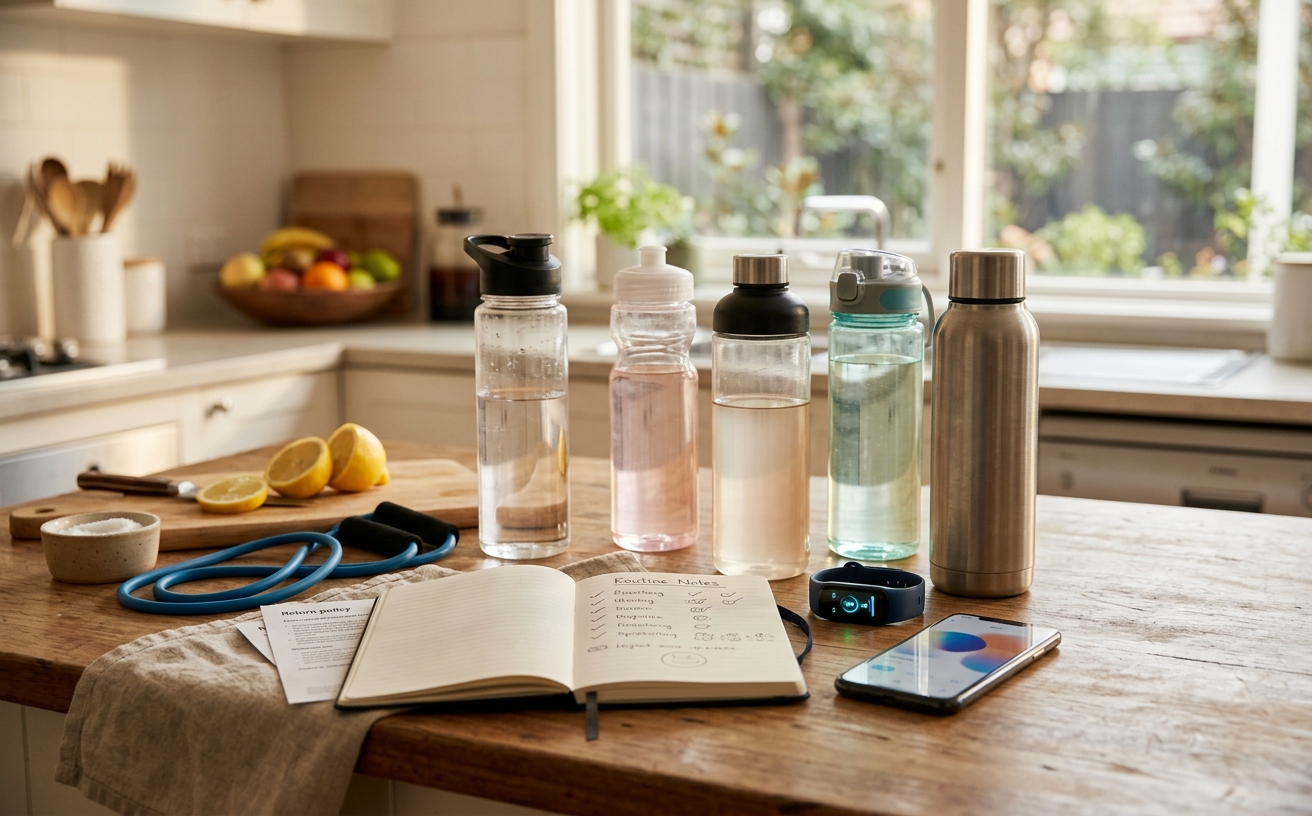
A simple, functional hydration drink can be made by mixing a liter of water with a generous pinch of standard table salt (for sodium and chloride), a splash of citrus juice (for flavor and a tiny amount of potassium), and a teaspoon of honey or maple syrup (for a small glucose transport boost). It will not taste like blue raspberry, but it performs the exact same physiological function as a commercial sports drink.
Furthermore, timing your meals around your exercise is the most practical strategy of all. If you finish a hard workout and immediately eat a meal containing complex carbohydrates, a lean protein, and a pinch of salt, your body will naturally extract the fluids and electrolytes it needs to recover.
Frequently Asked Questions
Do electrolyte drinks cure hangovers?
Alcohol is a diuretic, meaning it causes you to lose more fluid than you take in, leading to dehydration. While an electrolyte drink can help rehydrate your body faster than plain water the morning after drinking, it is not a cure. It will not process the alcohol out of your liver any faster, nor will it cure the inflammatory response that causes the headache and nausea. Rehydration is helpful, but time and rest are the only true remedies.
Can you drink too many electrolytes?
Yes. Consuming high-electrolyte beverages when you are not actively losing fluids can lead to an imbalance. Too much sodium can increase blood pressure and cause bloating, while excessive potassium can be dangerous for heart rhythm, particularly if you have underlying health issues. Treat these drinks as targeted supplements, not casual beverages to sip on all day.
Are they useful for everyday fatigue?
Marketing campaigns often position hydration powders as a cure for the mid-afternoon energy slump. Unless you are actually dehydrated from physical exertion or heat, drinking a salty powder will not fix your fatigue. Everyday tiredness is more commonly linked to poor sleep, inadequate nutrition, stress, or a lack of movement. Address those foundational pillars before relying on a supplement.