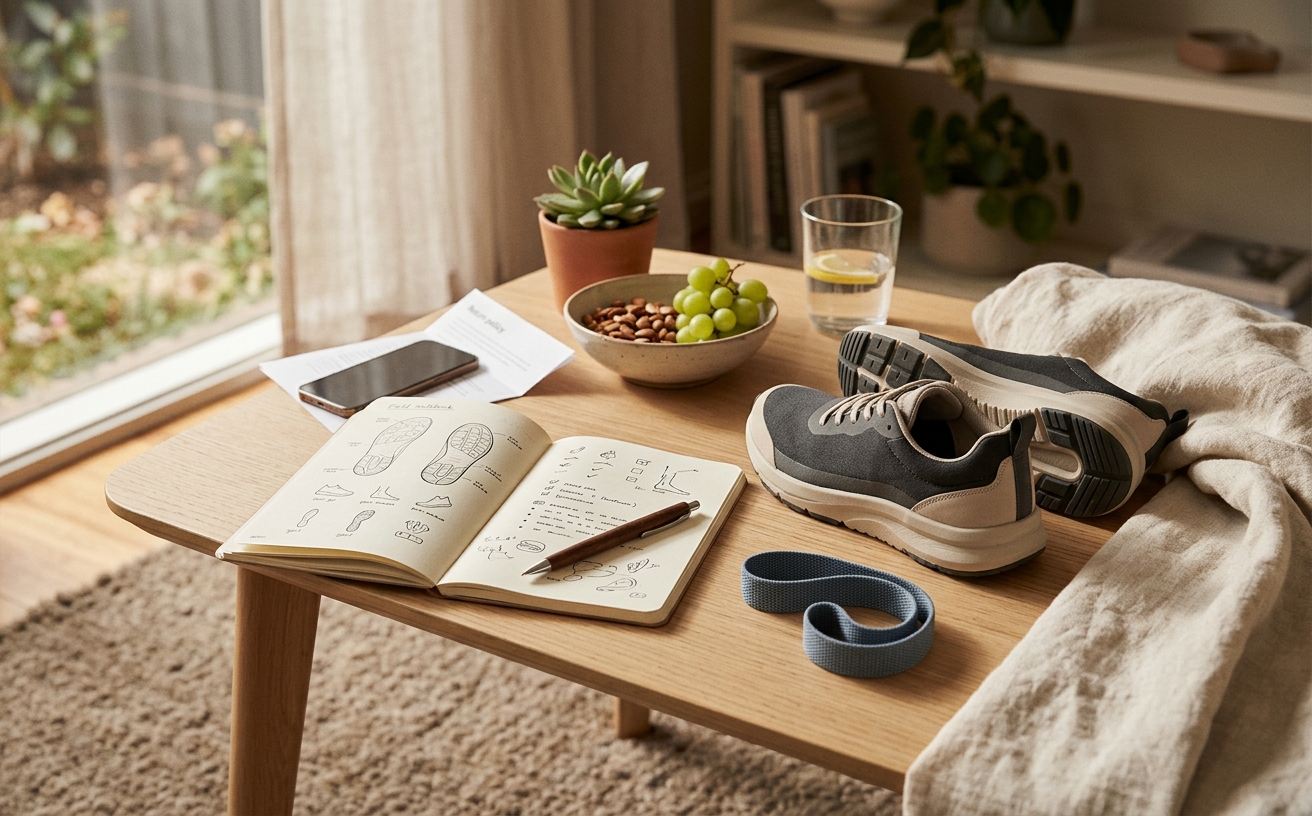
The life constraint comes first; the product claim stays on probation.
People search for recovery shoes wanting to know if thick, marshmallow-like slides will fix their sore feet after a long run or a heavy shift. The short answer is that recovery footwear provides immediate mechanical relief—offloading pressure through dense foam, high arch support, and rocker bottoms. They reduce the perceived effort of walking while your lower body is fatigued. However, they are a comfort tool, not a medical treatment. If you are logging high weekly mileage or spending eight hours on concrete, a dedicated pair of post-workout shoes can make the rest of your day more manageable.
The primary function of these shoes is to interrupt the accumulation of physical stress. When you step out of stiff cycling cleats, narrow football boots, or rigid work boots, your feet are often swollen and the intrinsic muscles are exhausted. Recovery footwear provides a temporary, highly supportive environment that requires minimal muscular effort to navigate. By evaluating the specific design elements of these shoes, you can find a pair that actually supports your movement routine rather than just adding another unnecessary item to your closet.
General information only, not medical advice. If you are experiencing acute foot pain, managing chronic illnesses like diabetes or neuropathy, recovering from a lower-limb injury, or dealing with severe swelling related to pregnancy or medication, consult a physiotherapist or podiatrist before changing your footwear. Recovery shoes do not treat underlying structural issues.
What Recovery Shoes Actually Do (and Do Not Do)
To understand what you are buying, it helps to look at the physics of foot fatigue. When you walk barefoot or in flat, unsupportive casual shoes after a heavy lower-body session, your tired foot muscles have to work hard to stabilize your arches, absorb impact, and propel you forward. Recovery shoes intervene by doing a significant portion of that mechanical work for you.
They achieve this through shock absorption and structural support. The foam used in these shoes is designed to compress under your body weight, absorbing the harsh impact of walking on hard surfaces like tile or concrete. Simultaneously, the aggressive arch support prevents your tired foot from collapsing inward, maintaining a neutral alignment even when your stabilizing muscles are depleted.
It is equally important to understand their limitations. Despite what aggressive marketing campaigns might suggest, recovery shoes do not speed up cellular muscle repair. They do not flush lactic acid from your calves, heal micro-tears in your tissue, or cure inflammatory conditions like plantar fasciitis. Their sole purpose is to reduce the mechanical load on your feet and lower legs, giving your body a comfortable environment in which to rest while you go about your daily life.
The Core Design Elements to Evaluate
Not all thick-soled shoes qualify as recovery footwear. When evaluating a pair, look past the visual bulk and examine these specific structural components.
Foam Density and Rebound
The midsole material is the defining feature of a recovery shoe. It needs to be softer than standard running shoe foam, but firmer than the memory foam used in household slippers. Memory foam feels great initially but quickly bottoms out under body weight, leaving you walking on the hard rubber outsole. Quality recovery shoes use proprietary blends of EVA (ethylene-vinyl acetate) or PU (polyurethane) foam that compress deeply but possess high energy return, meaning they spring back into shape immediately. This rebound is what creates the sensation of walking on a supportive cloud rather than sinking into mud.
Arch Support Profiles
Unlike flat beach thongs, recovery slides usually feature a highly contoured footbed. The arch support is often quite aggressive. This is intentional; it is designed to hold the plantar fascia in a relaxed position. However, arch profiles vary significantly between brands. Some feature a rigid, high arch that feels incredibly supportive to someone with high insteps but feels like standing on a golf ball to someone with flat feet. Finding a brand whose arch profile matches your natural foot shape is critical for actual comfort.
Rocker Geometry
Look at the shoe from the side. A good recovery shoe will not sit perfectly flat on the ground. Instead, the heel and toe will curve upward, creating a shape similar to the bottom of a rocking chair. This is called a rocker sole. When your calves and Achilles tendons are stiff from exercise, a rocker sole allows you to roll smoothly through your stride from heel to toe. This drastically reduces the amount of flexion required from your toes and ankles, minimizing the strain on tired tendons.
Toe Box Width
During prolonged exercise or long periods of standing, blood pools in the lower extremities and feet naturally swell. A recovery shoe must accommodate this expansion. The toe box should be noticeably wider than your standard athletic shoe, allowing your toes to splay completely flat without any lateral compression.
Who Should Skip Them (and When to See a Clinician)
While recovery shoes are broadly safe for the general population seeking comfort, they are not appropriate for everyone. Certain conditions require medical guidance rather than an off-the-shelf footwear purchase.
- Acute Injuries and Chronic Instability: Recovery shoes have a high stack height, meaning they sit high off the ground. The thick, squishy foam creates an inherently unstable platform. If you have weak ankles, a history of frequent ankle sprains, or are recovering from a lower-limb ligament injury, this instability increases your risk of rolling an ankle.
- Prescription Orthotic Users: If a podiatrist or physiotherapist has prescribed custom orthotics to manage a specific structural issue, standard recovery slides will conflict with your treatment plan. You cannot put an orthotic into a slide, and the built-in arch of the recovery shoe will not match your clinical prescription.
- Neuropathy and Sensory Issues: Conditions that affect nerve sensation in the feet—often related to chronic illnesses like diabetes or specific medications—require specialized orthopedic footwear. If you cannot feel friction or pressure accurately, wearing standard recovery shoes could lead to unnoticed blisters or ulcers.
- Pregnancy and Severe Swelling: While the wide toe box of a recovery shoe might seem appealing for swollen feet, severe or sudden edema during pregnancy requires medical evaluation to rule out serious conditions like preeclampsia. Do not use footwear to mask concerning symptoms.
- Compulsive Exercise Risks: If you find yourself relying on thick cushioning to mask sharp, persistent bone or joint pain just so you can continue training, this is a red flag. Using comfort tools to push through acute pain can lead to severe bone stress injuries. If you feel extreme distress at the idea of resting an injury, this may indicate an unhealthy, compulsive relationship with exercise that warrants support from a mental health professional or sports psychologist.
Fitting Recovery Footwear into a Movement Routine
To get the most out of recovery shoes, you need to use them strategically. They are best utilized in the immediate hours following intense lower-body stress. Keep a pair in your car to slip into immediately after a long trail run, a heavy lifting session, or a long shift on your feet. They are also excellent for wearing around the house if you have hard timber or tile floors, providing a buffer against the rigid ground during your domestic routine.
The main trade-off to consider is dependency. Your feet possess a complex network of intrinsic muscles that need regular engagement to stay strong. If you wear heavily cushioned, rigid-arch shoes all day, every day, those intrinsic muscles are essentially put in a cast. Over time, this can lead to foot weakness and a reliance on external support. Use recovery shoes as a specific tool for acute fatigue, but ensure you are still spending time barefoot or in minimal shoes during low-stress periods to maintain foot strength and mobility.
A Buyer's Checklist for Trying Them On
When you are ready to evaluate a pair in a store, use this practical checklist to ensure they meet your needs.
- Shop at the end of the day: Your feet swell as the day progresses. Trying shoes on in the late afternoon or evening mimics the swollen state your feet will be in after a workout.
- Test the arch placement: Stand still for two minutes. The arch support should feel like a broad, distributed pressure across the midfoot. If you feel a sharp, localized pressure point, the arch profile does not match your foot.
- Check for heel slip and friction: If you are buying closed-toe recovery shoes, ensure your heel does not slip out of the back when walking. If you are buying slides, check the upper strap. It should be made of a soft, non-abrasive material that does not dig into the top of your foot when your toes flex.
- Walk on a hard surface: Do not just test them on the carpeted floor of the shoe store. Find a section of hard tile or concrete to accurately gauge the shock absorption of the foam.
- Assess lateral stability: Stand on one leg. While the foam will feel squishy, your foot should not feel like it is sliding off the side of the footbed. The shoe should cradle your foot securely in the center.
Frequently Asked Questions
Are slides or closed-toe shoes better?
This depends entirely on your routine. Slides are incredibly convenient; you can slip them on without bending down, which is a significant benefit after a marathon or heavy deadlift session. They also allow you to wear thick socks. Closed-toe recovery shoes offer more security and stability, making them a better choice if your active recovery involves running errands or taking the dog for a walk.
Can I just use my old running shoes instead?
Old running shoes are generally poor recovery tools. The reason you retired them is likely because the EVA foam midsole had compressed and died. Dead foam offers no rebound and very little shock absorption. Furthermore, old running shoes have often worn unevenly based on your specific gait, which can force your tired feet into poor alignment.
How long do recovery shoes last?
Because the foam used in recovery footwear is softer than standard shoe foam, it degrades faster. With daily use around the house and after workouts, you can expect the foam to lose its structural integrity and rebound after 6 to 12 months. Once the shoes feel flat, or if you notice deep, permanent compression lines in the midsole that do not bounce back, it is time to replace them.